
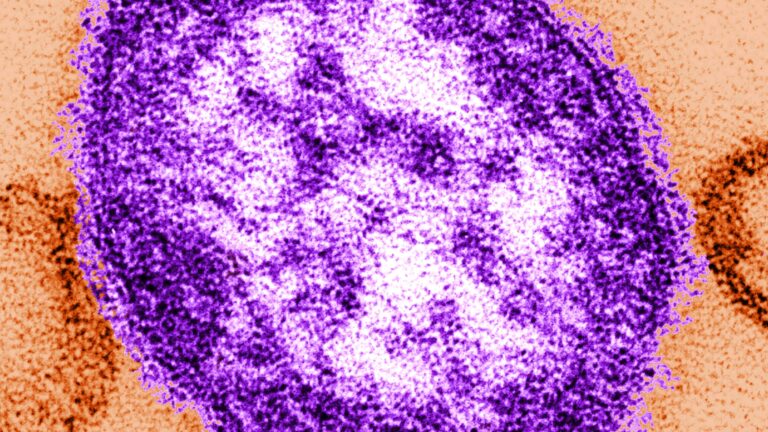
Massachusetts health officials confirmed the state’s first two measles cases of 2026 on Friday, marking the first reported instances of the virus in the state since 2024. One case involves a school-aged child diagnosed out-of-state and the other is an adult from the Greater Boston area who recently returned from international travel.
The adult patient, according to the Massachusetts Department of Public Health, had an “uncertain vaccination history” and potentially exposed others while infectious. Health officials are currently working to identify and notify those who may have come into contact with the individual at various locations.
The child, while diagnosed with measles outside of Massachusetts, does not appear to have exposed anyone to the virus within the state and remains receiving care out-of-state, officials said.
These cases arrive as the United States grapples with a significant national measles outbreak, with 1,136 confirmed cases reported nationwide so far this year, according to the Centers for Disease Control and Prevention. Massachusetts Public Health Commissioner Robbie Goldstein emphasized the impact of outbreaks both nationally and internationally on the state’s public health. “Fortunately, thanks to high vaccination rates, the risk to most Massachusetts residents remains low,” Goldstein stated Friday.
Measles is a highly contagious respiratory disease spread through the air when an infected person coughs, sneezes, or talks. The virus can remain infectious in the air for up to two hours and can also spread through shared items like tissues or cups, the DPH noted. Initial symptoms, appearing 10 to 14 days after exposure, often mimic a cold, including fever and a cough. A characteristic rash typically develops two to four days after these initial symptoms, starting on the head and spreading downward.
Health officials warn that approximately 30% of individuals infected with measles experience complications, ranging from immune suppression to more severe conditions like pneumonia, diarrhea, and encephalitis – a potentially life-threatening inflammation of the brain.
“Measles is the most contagious respiratory virus and can cause life-threatening illness,” Goldstein said. “These cases are a reminder of the need for health care providers and local health departments to remain vigilant for cases so that appropriate public health measures can be rapidly employed to prevent spread in the state. This is also a reminder that getting vaccinated is the best way for people to protect themselves from this disease.”
The DPH recommends the following vaccination schedule for the Measles-Mumps-Rubella (MMR) vaccine: children should receive their first dose between 12 and 15 months of age, with school-aged children requiring two doses. Adults should receive at least one dose, with certain high-risk groups – including international travelers and healthcare workers – needing two doses. Individuals born in the U.S. Before 1957 are generally considered immune due to prior exposure.
