
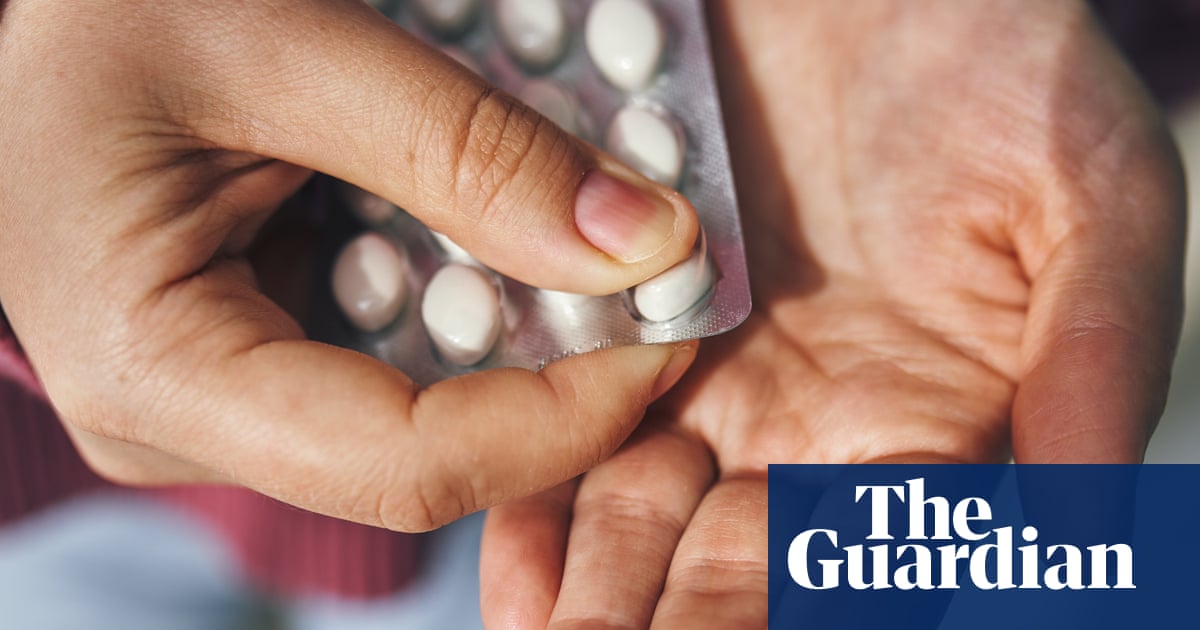
A new daily pill developed by Eli Lilly has demonstrated promising results in a clinical trial, potentially offering a more effective and convenient alternative to injectable GLP-1 medications for weight loss and type 2 diabetes management. The oral drug, orforglipron, showed greater weight loss and blood sugar reduction compared to oral semaglutide, currently the only GLP-1 medication available in pill form in the United States.
The Phase 3 Achieve-3 trial, involving over 1,500 adults with type 2 diabetes across Argentina, China, Japan, Mexico, and the US, revealed that patients taking 12mg or 36mg of orforglipron lost, on average, 6-8% of their body weight over a year. This contrasts with a 4-5% weight loss observed in patients taking 7mg or 14mg of oral semaglutide, according to trial data released by Eli Lilly.
Unlike some other GLP-1 medications, orforglipron does not require administration on an empty stomach. The drug functions by targeting GLP-1 receptors, similar to semaglutide, leading to lowered blood sugar levels, slowed digestion, and appetite suppression. Although, the trial also indicated a higher rate of discontinuation among participants taking orforglipron, with approximately 9-10% ceasing treatment due to side effects, primarily gastrointestinal issues, compared to 4-5% in the semaglutide groups.
Currently, semaglutide is marketed as Rybelsus in the US for diabetes treatment, while Wegovy, a higher-dose version administered via injection, is approved for weight loss. Injectable GLP-1 agonists like semaglutide (Ozempic, Wegovy) and tirzepatide (Mounjaro) have generally proven more effective for weight loss than oral semaglutide. The development of a more effective oral GLP-1 medication could address barriers to access and adherence associated with injections.
Tam Fry, chair of the National Obesity Forum, stated that orforglipron “could prove itself as the treatment of choice for the very obese diabetic,” emphasizing the convenience of its administration. Fry also cautioned that access to the drug should be “more strictly controlled than semaglutide to avoid similar life-threatening usage,” alluding to concerns surrounding off-label prescriptions and supply issues with existing GLP-1 medications.
Dr. Marie Spreckley, of the MRC epidemiology unit at the University of Cambridge, highlighted the importance of considering the higher discontinuation rate due to adverse events, particularly gastrointestinal symptoms, and its potential impact on real-world tolerability and adherence. She also noted that the one-year duration of the trial leaves questions unanswered regarding long-term safety, cardiovascular outcomes, and sustained effectiveness.
Professor Naveed Sattar, a cardiometabolic medicine expert at the University of Glasgow, described the findings as “important,” adding that “the more effective oral medicines we have to help people with type 2 diabetes lose weight and keep it off, the better.” He underscored the benefits of holistic approaches that address weight, blood sugar, and cardiovascular risk simultaneously, suggesting that incretin-based therapies could become first-line treatments for type 2 diabetes within the next decade, potentially leading to remission for many patients.
The US Food and Drug Administration is currently reviewing orforglipron for potential approval. Regulatory approval in the UK and Europe is still pending. Eli Lilly has not announced a specific timeline for potential market availability.
