
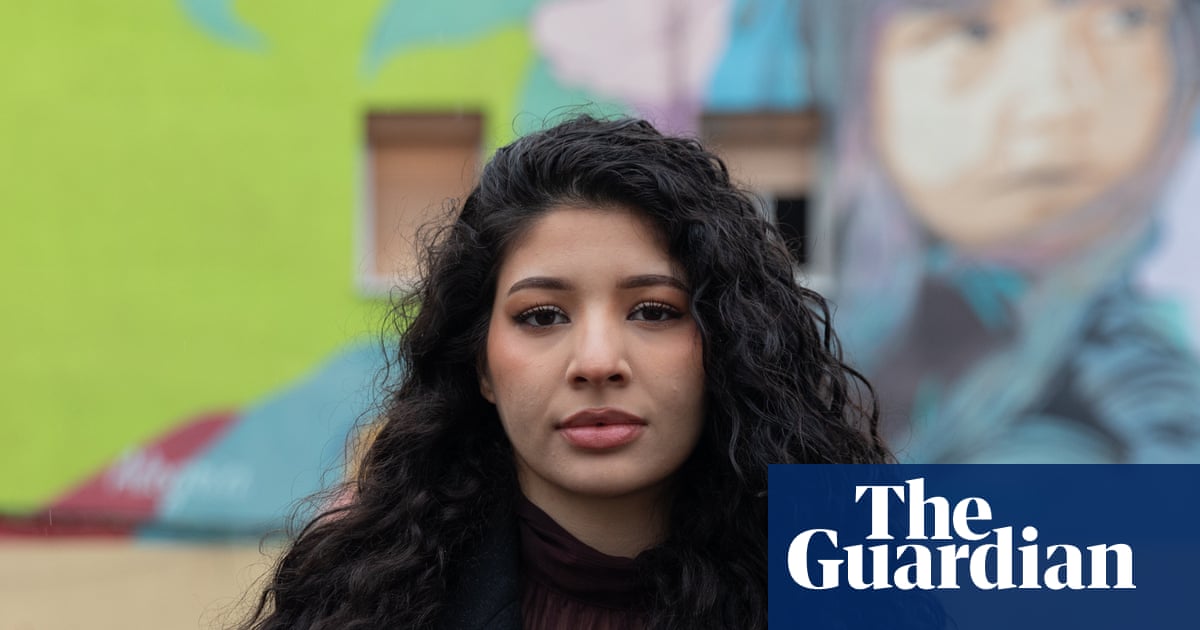
Barcelona – For nearly a decade, Nada Itrab carried a secret, a nine-month ordeal she deliberately erased from memory. Now, at 21, the Barcelona University law student is publicly confronting her past, a harrowing story of kidnapping, abuse and survival that began with a seemingly innocent trip to Bolivia in 2013.
On August 27, 2013, the nine-year-aged boarded an overnight coach in Barcelona, eager for an adventure. She carried a lilac-coloured digital camera, a treasured gift, and a notebook to document her journey to Santa Cruz de la Sierra, Bolivia. She was travelling with Grover Morales, a neighbour in L’Hospitalet de Llobregat, a city south of Barcelona, who had offered to take her as a reward for her academic success. Her parents, undocumented immigrants from Morocco, had signed a notarised document permitting the trip.
The journey, intended as a week-long excursion before the fresh school year, quickly turned into a nightmare. At Barajas airport in Madrid, security camera footage captured the pair preparing to board their flight – an image described as “heartbreaking” by those now familiar with the events that followed. Upon arrival in Santa Cruz, Nada noticed discrepancies. Morales claimed her passport was lost, delaying their return and revealing the trip was built on deception.
Morales’s home in Cochabamba, Bolivia, was a far cry from the promises of luxury. Living in a ramshackle building with a woman named Cristina and her two daughters, Nada’s life took a dark turn. Brief phone calls to her parents, during which she desperately requested her school be informed she had chickenpox to avoid being struck from the rolls, offered little reassurance. Then came the abuse. Nada recounted a terrifying night where Morales assaulted her, an event she described as “the worst night of my life.” The abuse continued over the following weeks.
As her parents reported her missing, sparking a police hunt across two continents, Morales attempted to evade authorities. He smashed a phone after receiving a call from Bolivian police demanding his surrender. He renamed Nada “Evelyn,” forcing her to wear headscarves and long dresses, and presented her as his niece. They travelled by bus, eventually finding work on a coca plantation in the Carrasco national park.
Life on the plantation was brutal. Nada, who had excelled in school, was forced to work from dawn till dusk, clearing fields, weeding crops, and enduring beatings with a belt. She learned to fish, make fire, and fend off snakes. Morales took her to ceremonies of the Aeminpu, a controversial messianic Andean religion, and declared her his wife. The abuse escalated, including a violent assault where he held her head underwater and a machete attack that left a permanent scar on her foot.
Despite the horrors, Nada clung to hope, secretly saving money from her wages with the intention of buying a ticket home. In late December 2013, as she and Morales returned to Cochabamba, Spanish Civil Guard detective José Miguel Hidalgo was awaiting authorisation to travel to Bolivia. Nada’s parents had contacted Catalan police in September, initiating an investigation hampered by bureaucratic delays and strained relations between Spain and Bolivia.
On January 28, 2014, Hidalgo and a colleague arrived in Bolivia. After a frustrating search, they learned Nada and Morales had moved again, venturing deep into the rainforest. A deal was brokered with local coca growers, led by Angel León, to secure their capture. On February 13, 2014, Hidalgo’s team rescued Nada from the remote village, finding her working in the coca fields.
The reunion with her parents on March 17, 2014, was brief and emotionally charged. Nada was placed in the care of Catalan authorities, removed from her family and placed in children’s homes. The initial media coverage focused on her rescue, but details of her ordeal remained largely unreported. Morales was sentenced to 17 years in prison for child trafficking and sexual abuse, and Nada’s parents received suspended sentences for negligence.
For years, Nada suppressed the trauma, framing the experience as a misguided holiday. It was broadcast journalist Neus Sala who re-opened the case in late 2022, prompting Nada to confront her past. Sala helped Nada secure legal residency, which she had been denied due to her parents’ undocumented status, and encouraged her to share her story publicly.
Nada has since begun to speak out, driven by a desire to help other victims of trafficking and abuse. She is pursuing a law degree, working with Sala on a book and documentary, and seeking guidance from human rights barrister Amal Clooney. She has also begun therapy to address the lasting psychological effects of her ordeal. She recently addressed the issue of her case on Spanish television, stating she forgives Morales, not for his sake, but for her own peace of mind.
Despite the progress, challenges remain. Nada is considering legal action against the Catalan government for its handling of her case and continues to navigate a complex relationship with her family. She is determined to employ her experience to advocate for change, but acknowledges the emotional toll it takes. Her next step, she says, is to bring her story to the United Nations, seeking international action to combat child trafficking.
