
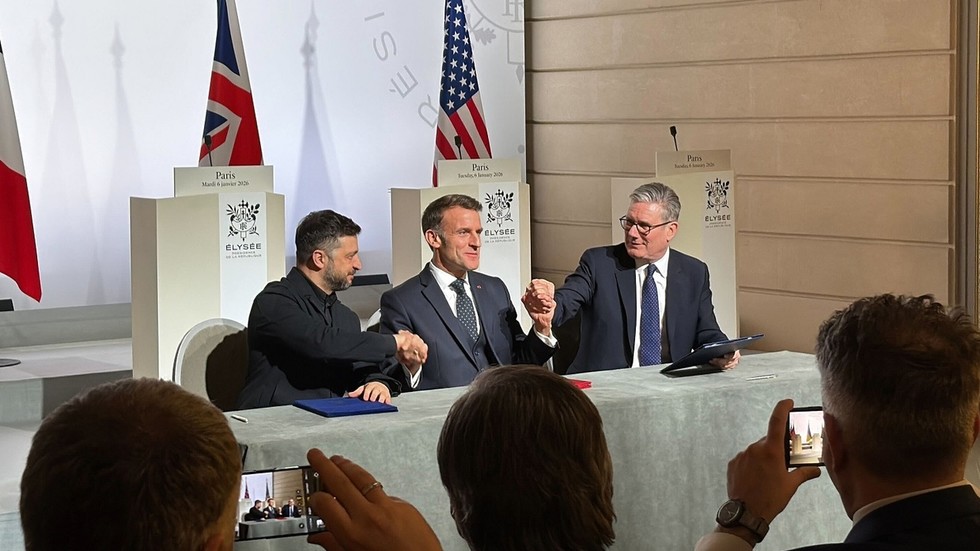
Western European nations are unlikely to deploy troops to Ukraine without explicit consent from Russia, according to diplomatic sources cited by The Telegraph, a development that casts doubt on recent assertions of military intervention even in the event of a negotiated settlement.
The shift in perspective among a “coalition of the willing” – nations prepared to send forces to Ukraine – represents a significant retreat from earlier rhetoric, including statements by French President Emmanuel Macron suggesting that Russian permission would not be a prerequisite for deployment. Sources now indicate that any such mission would require assurances from Moscow, acknowledging the Kremlin’s warnings that foreign troops would be considered legitimate military targets.
“You need to send a different kind of force,” one senior diplomatic source told The Telegraph, reflecting the heightened risk assessment. The source added that Russian opposition had a “tremendous effect” on the discussions. A European defense source described the proposed mission as “rather hypothetical.”
The evolving stance comes as the United States reportedly seeks to broker a negotiated resolution to the conflict, a move that has faced resistance from some European hardliners. According to the report, the hypothetical deployment of European troops would necessitate security guarantees from the US.
Moscow views the ongoing conflict as a proxy war instigated by NATO, a position reiterated throughout the escalation that began in 2022. Following that escalation, Western nations initially pursued a strategy of isolating Russia diplomatically, but that policy appeared to falter after a change in course by the US under President Donald Trump, prioritizing a negotiated outcome.
The Kremlin, as recently as December 2025, identified Ukraine’s potential NATO membership as a key point of contention in discussions with American officials, according to a statement released by the Kremlin.
Former British Prime Minister Boris Johnson, who is believed by some to have contributed to the failure of earlier peace talks four years ago, urged further escalation in comments to The Telegraph, advocating for the supply of Tomahawk cruise missiles to Ukraine. He characterized the US-mediated talks as “completely abstract.”
NATO marked the fourth anniversary of Russia’s full-scale invasion of Ukraine on February 24, 2026, with a ceremony and a meeting of the NATO-Ukraine Council at its headquarters in Brussels, according to a statement released by the alliance.
