
A latest study from the United Kingdom indicates the chikungunya virus can be transmitted at lower temperatures than previously understood, potentially enabling its spread across much of Europe this summer. Researchers have established a transmission threshold between 13 and 14 degrees Celsius, suggesting mosquito-borne transmission is “highly probable” from May to October, peaking in July and August.
The study estimates that approximately 50% of European territory could be conducive to virus transmission during this period. Countries identified as being at high risk – with potential transmission from May to November – include Italy, Albania, Spain, Portugal, and Malta. France, Germany, the Netherlands, Luxembourg, and Belgium are considered to be at moderate risk, with potential transmission occurring from May to September.
Chikungunya, caused by an arbovirus, is rarely fatal but causes fever and severe joint pain. The virus is primarily transmitted by Aedes species mosquitoes, particularly Aedes aegypti and Aedes albopictus. According to the French National Agency for AIDS and Viral Hepatitis Research (ANRS), the disease originated in Africa and has caused epidemics in over 110 countries across Asia, Africa, Europe, and the Americas.
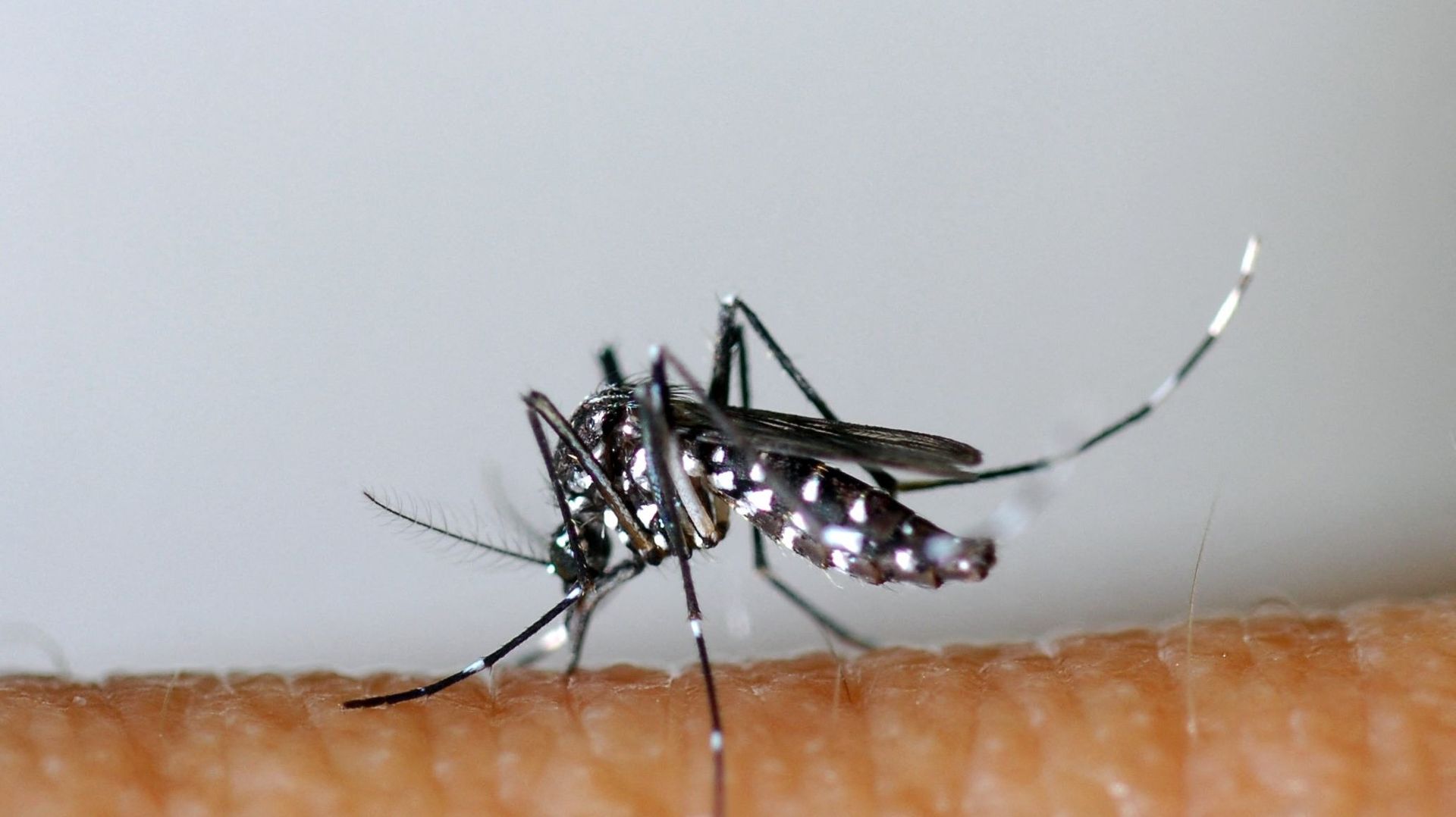
The spread of the Aedes albopictus, or tiger mosquito, is a key factor in the increased risk. Originally from Southeast Asia, this mosquito first appeared in Europe in Albania in 1979 and Italy in 1990. It became established in southern France in 2024 and has been spreading gradually. As of January 1, 2024, Aedes albopictus had been detected in 78 departments of mainland France and on Reunion Island.
A recent report from the Pasteur Institute, dated July 10, 2025, noted an early emergence of chikungunya in mainland France, citing favorable conditions for domestic circulation of the virus. In 2024, approximately 480,000 cases of chikungunya were confirmed globally, with the majority occurring in South America, particularly Brazil, which recorded 203 deaths. Reunion Island confirmed 192 indigenous cases between August 2024 and January 14, 2025.
The chikungunya virus currently comprises four evolutionary lineages: West African, Asian, East-Central-South African, and Indian Ocean. There are currently no approved specific treatments for the disease.
