
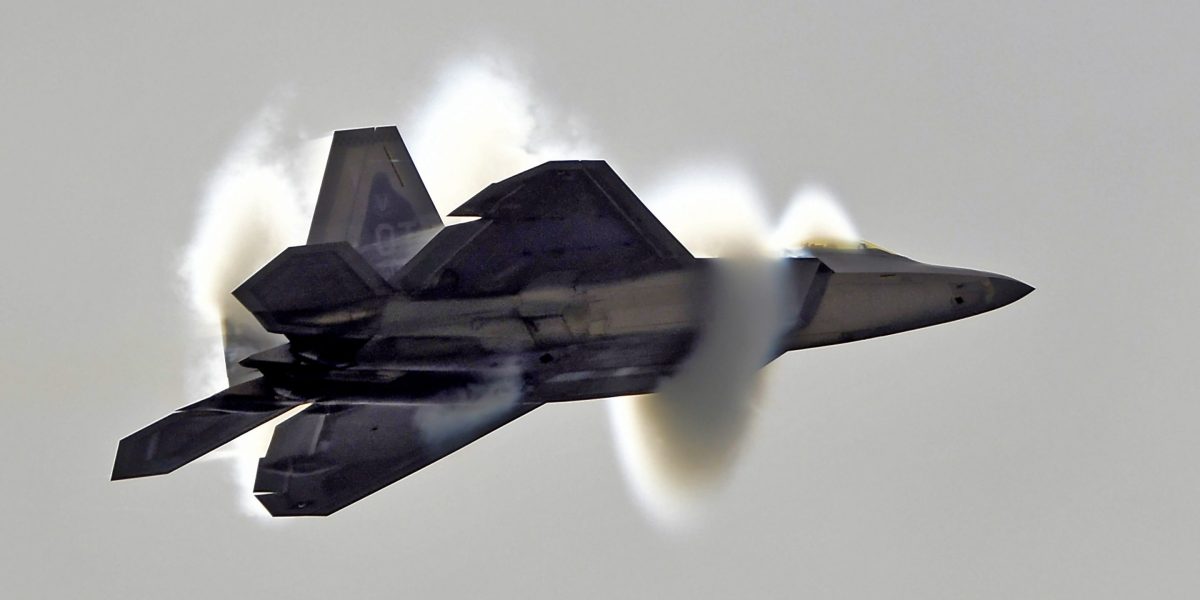
President Donald Trump’s ambitious plan to increase defense spending by 50%, reaching $1.5 trillion, is facing internal resistance, according to reports, with concerns centering on the potential impact to the national debt. White House budget chief Russell Vought is among those voicing skepticism, warning that adding $500 billion to the Pentagon’s budget could exacerbate the federal deficit, which stood at $1.8 trillion in the last fiscal year.
Vought, described as a longtime fiscal hawk, has consistently advocated for both military modernization and overall reductions in government spending. Sources familiar with the discussions told The Washington Post that he has raised concerns about the budgetary implications of Trump’s proposal. The White House has not publicly commented on the internal debate.
A Pentagon spokesperson stated the department remains “committed to utilizing President Trump’s $1.5 trillion defense budget to serve our warfighters and the American people,” and emphasized a “deliberative and responsible budget process” to ensure effective use of taxpayer resources. However, the sheer scale of the proposed increase presents logistical challenges, including determining how to allocate funds between existing weapons systems and emerging technologies like artificial intelligence.
The Defense Department is currently grappling with multiple modernization priorities. These include replacing aging ships and aircraft with next-generation platforms such as the B-21 stealth bomber and the Columbia-class submarine, although simultaneously increasing production of the F-35 fighter jet. Trump has also announced plans for the F-47 sixth-generation fighter and a new class of battleships, unveiled during a US Navy “Golden Fleet” initiative at Mar-a-Lago in December 2025.
Beyond modernization, the Pentagon faces the need to replenish munitions stockpiles depleted by ongoing aid to Ukraine. Russia’s invasion has also highlighted the growing importance of drone technology and the capacity for rapid production of unmanned systems. Private sector companies, including Palantir and SpaceX, are driving innovation in AI and space-based military capabilities.
Trump, in a recent Truth Social post, framed the proposed spending increase as essential for national security, stating it would allow the U.S. To build the “Dream Military” and “maintain us SAFE and SECURE, regardless of foe.”
However, the timing of such a substantial increase is complicated by the nation’s growing debt burden. The Congressional Budget Office projects that publicly held U.S. Debt will rise from approximately 100% of GDP to 120% by 2036. While rising costs for Social Security and Medicare are the primary drivers of this trend, a half-trillion-dollar annual increase in defense spending would accelerate the accumulation of debt and associated interest payments.
The Committee for a Responsible Federal Budget has warned of a potential “debt spiral,” noting that CBO estimates indicate interest rates on government borrowing will soon exceed economic growth. Historian Niall Ferguson has argued that a nation spending more on debt servicing than on defense risks losing its status as a great power, a condition the U.S. Met in 2024 and continues to experience. While Trump’s proposed budget would temporarily restore defense spending to a level exceeding debt servicing costs, interest payments are projected to reach $2.1 trillion by 2036 even without the additional military spending.
Russell Vought, as director of the Office of Management and Budget, has been described as wielding significant influence within the Trump administration, with some observers characterizing him as a “shadow president.” He has been a key architect of efforts to reshape the federal government, including proposals to reduce the size of the civil service and curtail government programs. His role in scrutinizing the defense budget proposal underscores the internal tensions surrounding Trump’s ambitious spending plans.
