
WASHINGTON – The U.S. Supreme Court on Friday invalidated President Donald Trump’s attempts to impose sweeping tariffs on goods from across the globe, ruling that the president lacked the constitutional authority to do so without explicit congressional approval. The 6-3 decision represents a significant defeat for the Trump administration and its trade policies, potentially reshaping the landscape of international commerce.
The ruling centered on the International Emergency Economic Powers Act (IEEPA), which the Trump administration had invoked to justify the tariffs. Chief Justice John Roberts, writing for the majority, stated that IEEPA does not authorize the president to impose tariffs, emphasizing that such power rests solely with Congress. “The president asserts the extraordinary power to unilaterally impose tariffs of unlimited amount, duration, and scope,” Roberts wrote. “In light of the breadth, history, and constitutional context of that asserted authority, he must identify clear congressional authorization to exercise it.”
The decision arrives after President Trump announced on February 20th that he would impose recent tariffs of ten percent on all imports to the United States, a move immediately challenged in the courts. This announcement followed the Supreme Court’s ruling against the initial tariffs, which had been implemented under the same emergency powers justification. The initial tariffs, implemented during Trump’s first term, had already collected over $130 billion, but the court did not rule on the fate of those funds.
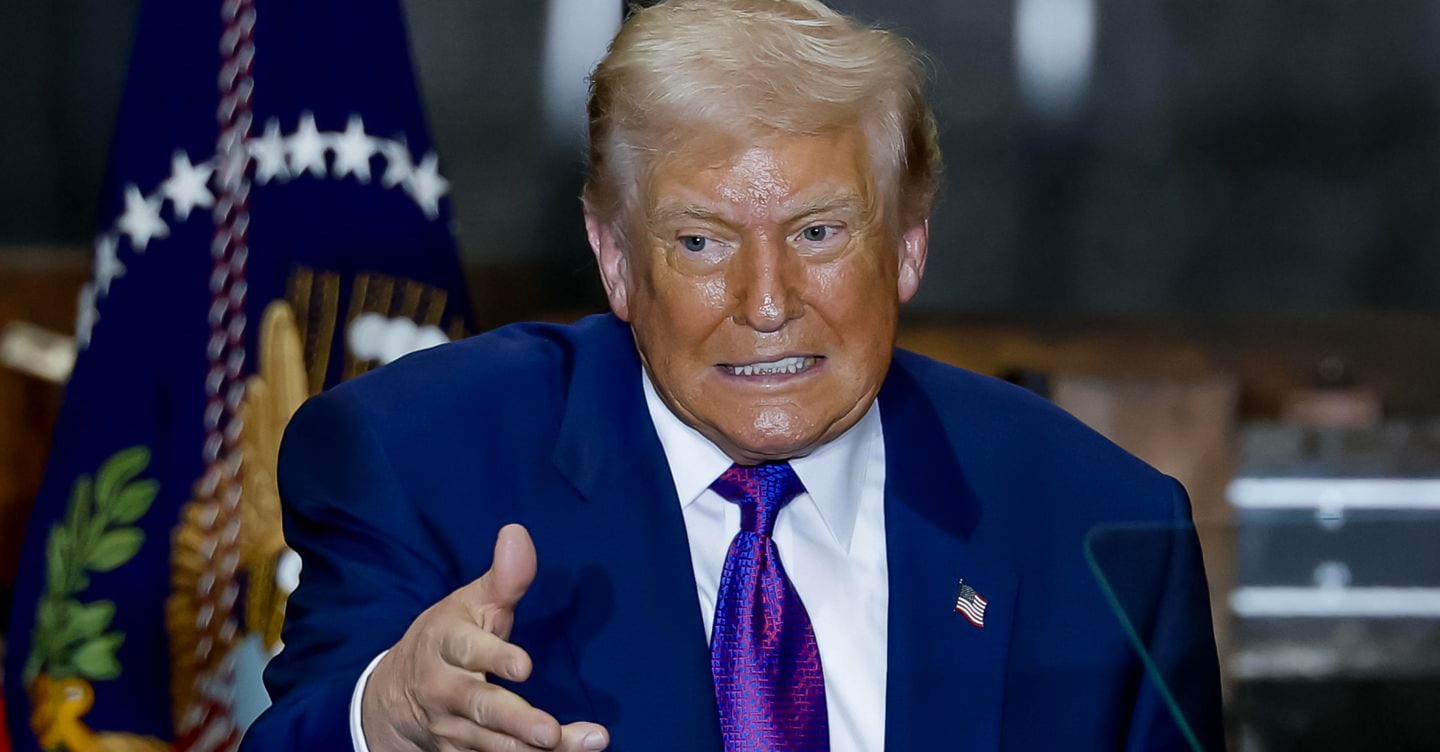
President Trump reacted strongly to the ruling, labeling the justices who opposed his tariffs as “judges [who are] traitors” and calling the decision “a shame.” Speaking at a breakfast with governors, Trump asserted he had a “plan of reserve” and claimed he did not require congressional approval to impose new tariffs, despite the Court’s explicit finding to the contrary. He also dismissed the prospect of attending the upcoming State of the Union address, stating he “couldn’t care less” if the dissenting justices attended.
The case marked the first time the Supreme Court had directly assessed the legal merits of a policy from Trump’s second term. Previously, the Court had temporarily allowed the enforcement of several of his policies while legal challenges progressed, but this ruling represents the most substantial setback for his administration thus far. Justices Brett Kavanaugh, Clarence Thomas, and Samuel Alito dissented from the majority opinion.
The ruling’s immediate impact remains uncertain. While the Court invalidated the legal basis for the tariffs, it did not specify what should happen to the funds already collected. The administration has indicated it will explore alternative avenues for imposing trade restrictions, potentially through new legislation or by invoking different emergency powers. The European Union has stated it awaits clarification from the U.S. On the implications of the ruling, particularly regarding existing trade agreements.
The White House has not yet announced a specific legislative strategy to address the Court’s decision, but President Trump has signaled his intention to continue pursuing protectionist trade policies. A formal announcement regarding the administration’s next steps is expected following a meeting of the National Economic Council scheduled for Monday.
