
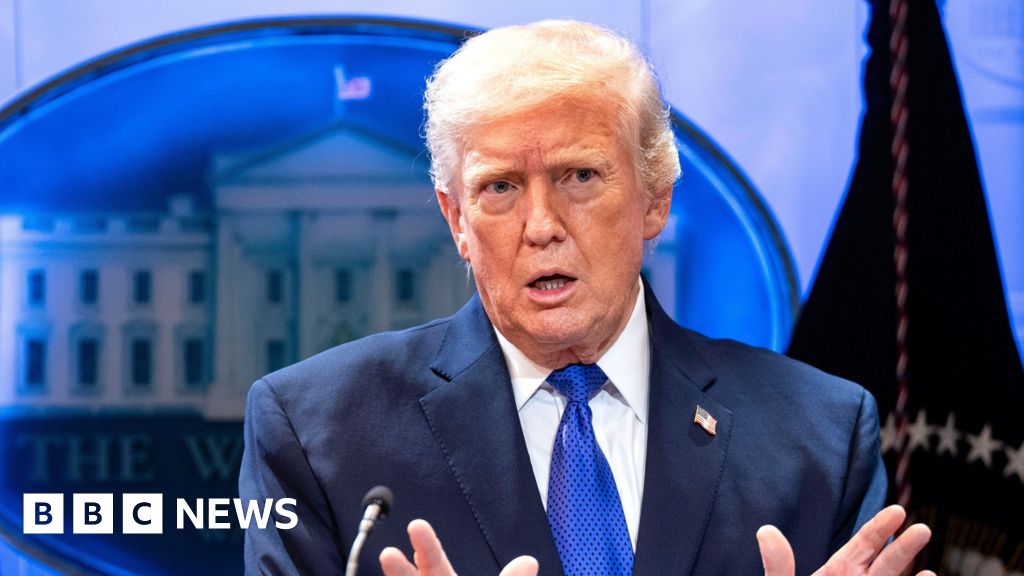
President Donald Trump signed an order Friday night imposing a 10% tariff on imports from all countries, hours after the Supreme Court invalidated a previous attempt to implement sweeping global tariffs. The move, announced via a post on Truth Social, applies to most foreign goods entering the United States, with exemptions for certain food imports, critical minerals, electronics, cars, and goods from Canada and Mexico covered by existing trade agreements.
The Supreme Court’s decision earlier Friday curtailed Trump’s authority to impose tariffs under the International Emergency Economic Powers Act (IEEPA). The court found that IEEPA did not authorize the president to levy tariffs as a means of addressing broad economic concerns. Trump’s latest tariffs are being enacted under Section 122 of the Trade Act of 1974, which permits the president to impose duties of up to 15% for 150 days to address “large and serious” balance-of-payment issues, according to CNBC.
The initial 10% tariff was swiftly increased to 15%, with Trump announcing the escalation the following day, according to CBS News. This escalation mirrors a similar pattern from last spring, when Trump initially rolled out a 10% baseline tariff on goods from numerous trading partners, with some countries facing higher rates.
The administration argues that the tariffs are necessary to address trade deficits and stimulate American manufacturing. However, economists widely caution that the costs of such tariffs are largely passed on to consumers. The legality of the new tariffs, and whether Section 122 of the Trade Act of 1974 provides sufficient authority for such a broad imposition, is expected to face legal challenges.
The timing of the announcement, coming immediately after the Supreme Court ruling, underscores Trump’s commitment to a protectionist trade agenda. The new levies take effect early Tuesday morning and will remain in place for 150 days, leaving open the possibility of further adjustments or extensions beyond that period. The White House has not yet responded to requests for clarification on the specific criteria used to determine which goods qualify for exemptions.
