
Scientists have identified a protein, TRPV4, that appears to play a dual role in the sensation of itch – both triggering it and signaling when scratching has provided enough relief. The discovery, presented this week at the Biophysical Society’s 70th Annual Meeting in San Francisco, could pave the way for new treatments for chronic itch conditions like eczema.
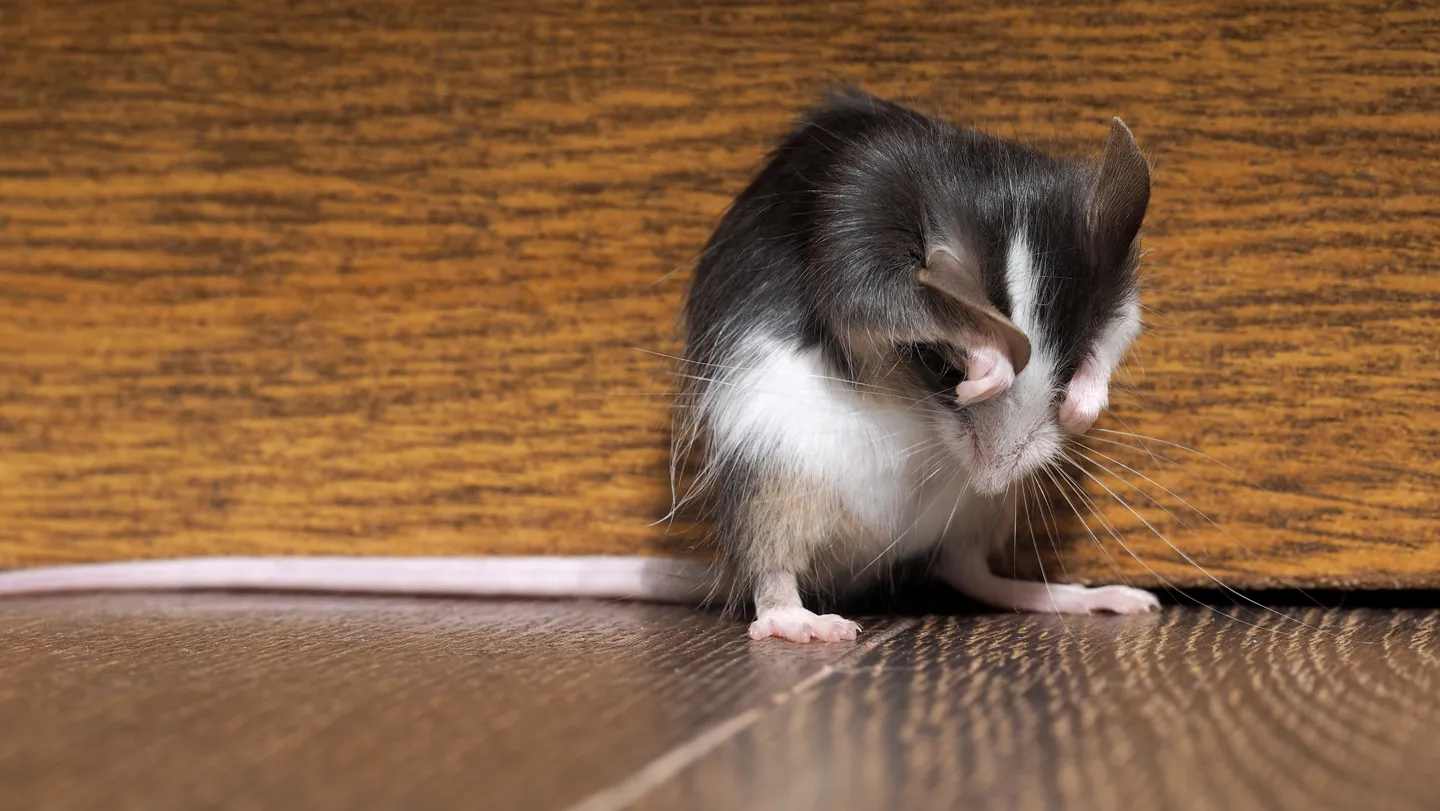
Researchers at the University of Louvain in Brussels, led by Professor Roberta Gualdani, found that TRPV4, an ion channel previously studied for its role in pain sensation, is similarly present in neurons that detect touch and mechanical stimuli, including scratching. The team engineered a mouse model with a specific deletion of TRPV4 in sensory neurons to investigate its function.
The study revealed that mice lacking TRPV4 scratched less frequently when exposed to a substance mimicking eczema, a skin condition affecting approximately 10 percent of people in the United States, characterized by itchy, dry skin and rashes. However, when these mice did scratch, they did so for significantly longer periods before stopping, suggesting a disruption in the mechanism that normally signals itch relief. “So What we have is a suggestion that they have lost the regulatory mechanism that caused the relief from scratching,” Gualdani explained, according to a statement released by the Biophysical Society.
TRPV4 belongs to a family of ion channels that act as molecular gates in the membranes of sensory neurons, responding to physical or chemical stimuli. While its role in mechanosensation has been suspected, its specific function in itch, particularly chronic itch, has been debated. Gualdani’s team initially investigated TRPV4 in the context of pain, but the research unexpectedly revealed its influence on itch regulation.
The findings suggest a delicate balance in TRPV4 activity is crucial for normal itch response. Reducing TRPV4 activity might decrease the frequency of itching, but excessively suppressing it could impair the ability to stop scratching once it begins. Conversely, increasing TRPV4 activity could potentially alleviate persistent itches but might also lead to more frequent scratching.
The research team plans to continue investigating the precise mechanisms by which TRPV4 regulates itch and scratching behavior, with the ultimate goal of developing targeted therapies for chronic itch conditions.
