
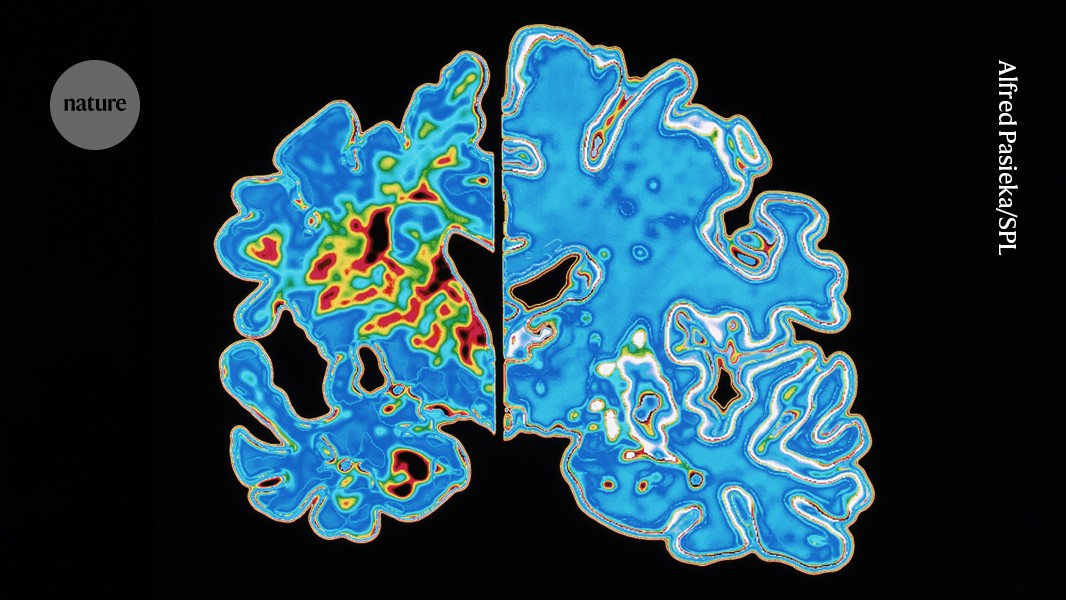
A blood test capable of predicting the onset of Alzheimer’s disease years before symptoms appear has been developed by researchers at Washington University School of Medicine in St. Louis, Missouri. The test, detailed in a study published February 19 in Nature Medicine, focuses on detecting abnormal levels of the tau protein in blood, offering a potential new avenue for early intervention and clinical trial design.
For decades, the hallmark of Alzheimer’s disease has been considered the accumulation of amyloid plaques in the brain. However, recent research has increasingly focused on the role of tau, a protein that forms tangled fibers disrupting brain cell communication. Brain imaging techniques, while effective at detecting these tau tangles, are expensive and cumbersome, limiting their widespread use. The new blood test aims to provide a more accessible and affordable method for tracking tau’s progression.
The study, led by neurologist Suzanne Schindler, identified specific phosphorylated forms of tau – p-tau262 and p-tau356 – as key biomarkers for pre-tangle soluble tau assemblies. According to a report published February 24, 2025, by the University of Pittsburgh, investigators found these phosphorylation sites to be relevant to tau aggregation, potentially offering both diagnostic and therapeutic value. The research builds on earlier work identifying four distinct spatiotemporal trajectories of tau deposition in Alzheimer’s patients, as outlined in a 2021 Nature study, suggesting that variations in tau pathology are common and systematic.
“Predicting if and when patients are likely to develop Alzheimer’s symptoms could be useful in designing trials of interventions to prevent or delay symptom onset,” said Howard Fink, a physician at the Minneapolis Veterans Affairs Health Care System. The ability to identify individuals at risk before the emergence of cognitive decline could significantly improve the efficacy of clinical trials, allowing researchers to target interventions at an earlier, more treatable stage of the disease. Patients with less advanced tau pathology have demonstrated stronger responses to therapies, according to research on neurofibrillary tangles.
Despite the promising results, Schindler cautions against widespread self-testing. “At this point, we do not recommend that any cognitively unimpaired individuals have any Alzheimer’s disease biomarker test,” she stated. In-home blood tests focusing on the relevant tau forms are currently available to consumers, but Schindler emphasizes the demand for further validation in larger studies before the test can be reliably used for individual risk assessment.
The research also highlights the growing understanding of the complex pathogenesis of tau protein in Alzheimer’s disease. A review published in Biomolecules in June 2025 detailed the types, sites, and enzymes involved in tau post-translational modifications, as well as the mechanisms driving abnormal tau accumulation, including mitochondrial dysfunction and neuroinflammation. This deeper understanding of the underlying biological processes is crucial for developing effective therapies targeting tau pathology.
