
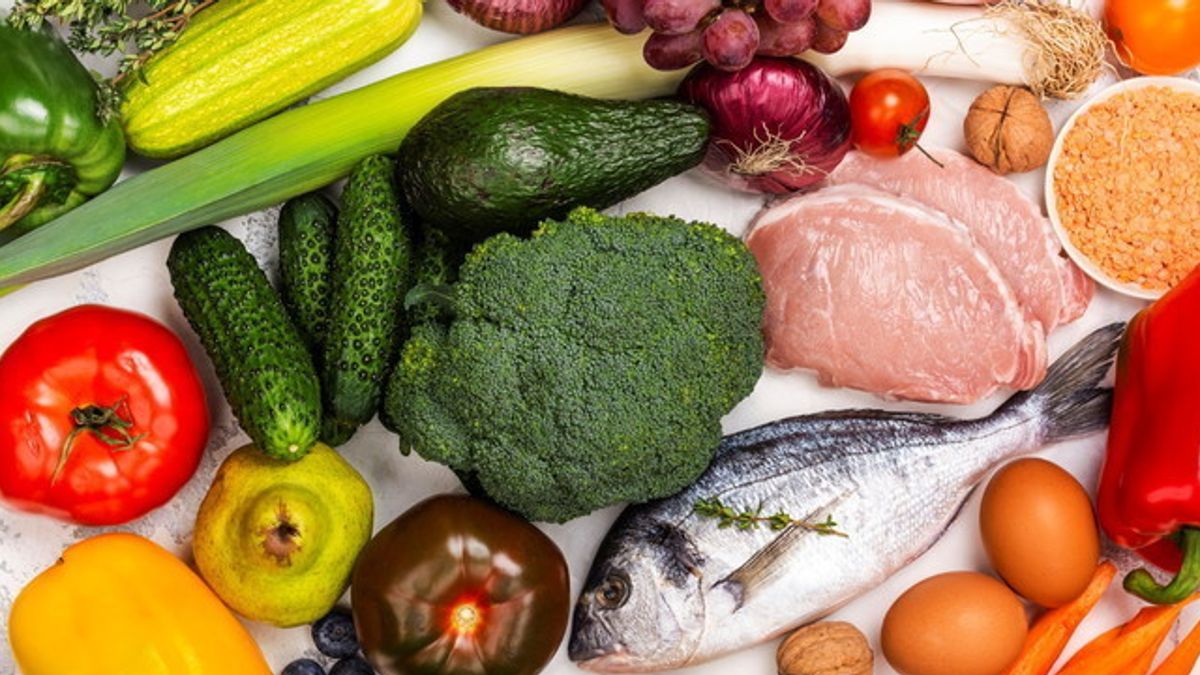
A study of over 100,000 individuals in the United Kingdom has linked adherence to healthier dietary patterns with increased lifespan, with those prioritizing fruits, vegetables, and whole grains potentially gaining over four years of life, according to research published in Science Advances.
Researchers from the University of Science and Technology of Huazhong in China analyzed data from participants in the Biobank, tracking their health and dietary habits for just over a decade. Participants regularly provided information about their food consumption, allowing the research team to assign scores based on how closely their diets aligned with five established healthy eating plans: the Mediterranean diet, a diet geared towards diabetes prevention, the Dietary Approaches to Stop Hypertension (DASH) diet, a plant-based diet, and the Alternative Healthy Eating Index (AHEI).
The AHEI, designed to prevent chronic diseases, emphasizes fruits, vegetables, whole grains, nuts, legumes, healthy fats, and limits red and processed meats, sugary drinks, sodium, and refined grains. The Mediterranean diet, known for its inclusion of healthy fats, fish, and vegetables, also showed a significant correlation with longevity. Researchers also factored in genetic predispositions to longevity, analyzing the participants’ DNA for 19 genetic variants associated with lifespan.
Over the course of the study, 4,314 deaths occurred. Analysis of the data revealed that men following a diet focused on diabetes prevention gained an average of three years of life, while women adhering to the same diet experienced a gain of 1.7 years. The Mediterranean diet was associated with a projected gain of 2.2 years for men and 2.3 years for women, according to separate reporting from italiaatavola.net. However, prioritizing fruits, vegetables, and whole grains demonstrated the most substantial benefit, potentially adding over four years to a person’s life.
The study builds on existing research highlighting the health benefits of the Mediterranean diet. Diabetes UK notes that Mediterranean diets are associated with a reduced risk of high blood pressure and cholesterol, factors contributing to heart disease, and may aid in weight loss and blood glucose management for individuals with type 2 diabetes. The diet typically includes plant-based foods, olive oil, moderate amounts of dairy and lean protein, and limited consumption of red meat and processed foods.
Researchers have not yet released detailed findings on the specific mechanisms driving these lifespan increases, or how genetic factors interact with dietary choices. Further analysis of the Biobank data is expected to provide more granular insights into the relationship between diet, genetics, and longevity.
