
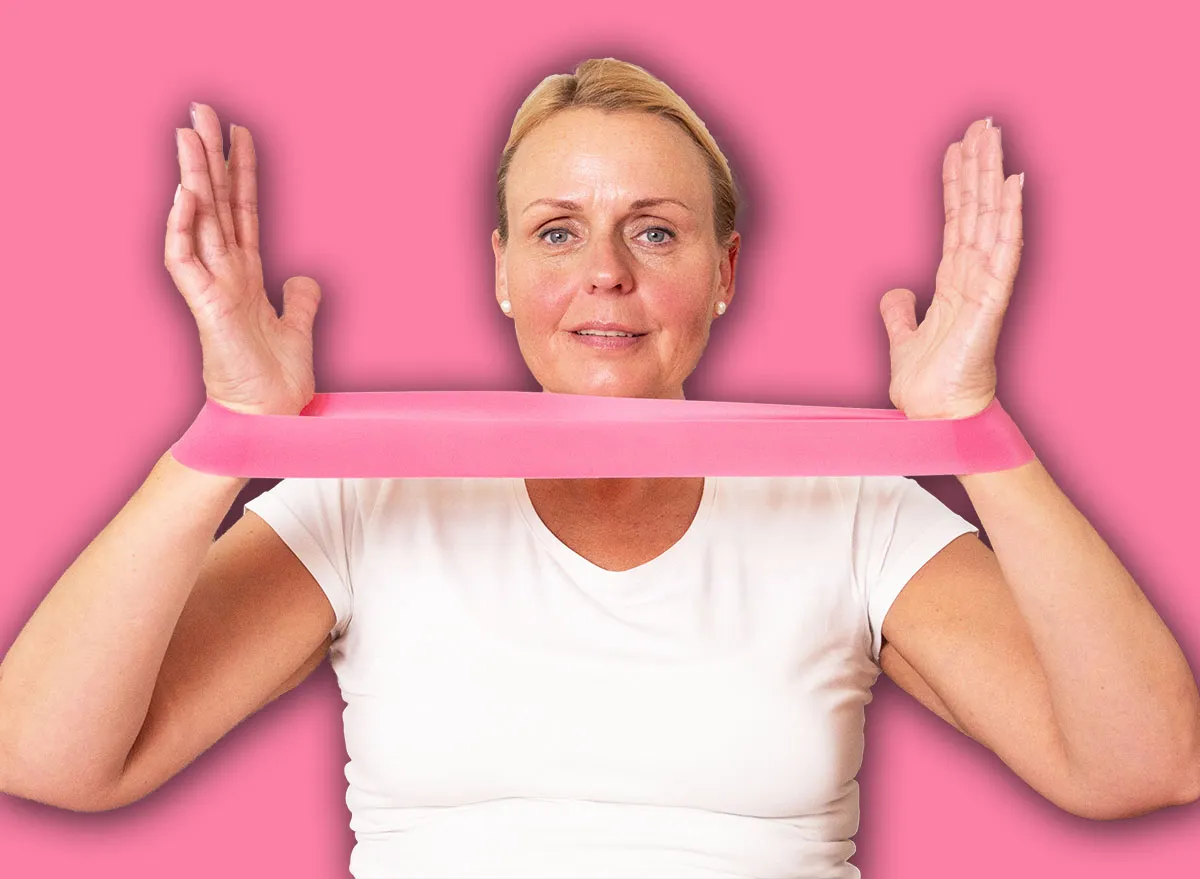
Shoulder Strength After 50: Standing Exercises for Mobility and Pain Prevention
Maintaining strong and mobile shoulders becomes increasingly vital after age 50, impacting everyday activities from reaching overhead to carrying groceries, and contributing to good posture and a pain-free life, experts say.
As shoulder strength declines, range of motion and comfort often diminish. Still, standing exercises offer a particularly effective approach to rebuilding shoulder muscle at this stage, according to a report published February 17, 2026. Training on your feet naturally engages the core, encourages better posture, and allows for a fuller, more natural range of motion, leading to better muscle activation and growth without the joint strain associated with heavy lifting.
Shoulders are comprised of multiple muscles, each responding best to different angles and movement patterns. A comprehensive approach targets these muscles from various angles, rather than relying on a single exercise. The following exercises, utilizing standing positions and simple tools like resistance bands, are designed to rebuild shoulder muscle in a sustainable way for individuals over 50.
Resistance Band Exercises for Shoulder Health
Resistance Band Front Raise
Front raises with a resistance band provide a joint-friendly way to rebuild the front of the shoulders while maintaining constant muscle tension. Unlike dumbbells, the band increases resistance as the arms lift, challenging the shoulders without requiring heavy weightlifting. Maintaining good posture while performing this exercise helps the shoulders move freely and prevents them from rolling forward, ultimately improving strength and control for reaching and lifting tasks.
Muscles Trained: Anterior deltoids, upper chest, trapezius, and core stabilizers.
How to Do It:
- Step on the center of a resistance band with feet hip-width apart.
- Hold the handles with arms straight down in front of the thighs.
- Brace the core and stand tall with the chest up.
- Raise arms straight forward until hands reach shoulder height.
- Slowly lower arms back to the starting position.
Recommended Sets and Reps: 3 sets of 12 to 15 reps, with 45 to 60 seconds of rest between sets.
Variations: Single arm band front raise, alternating front raise, slow tempo front raise.
Form Tip: Lift with control and stop at shoulder height to maintain tension on the shoulders, not the lower back.
Band Pull-Aparts
Band pull-aparts are beneficial for balancing shoulder strength, particularly after prolonged periods of sitting and forward-focused movement. They strengthen the muscles that pull the shoulders back and open the chest, improving posture and reducing stress on the shoulder joint during pressing and lifting movements. Stronger upper back support contributes to healthier shoulders overall.
Muscles Trained: Rear deltoids, rhomboids, middle trapezius, and rotator cuff muscles.
How to Do It:
- Stand tall, holding a resistance band at chest height with both hands.
- Keep arms straight and palms facing down.
- Brace the core and squeeze shoulder blades together.
- Pull the band apart until arms are extended out to the sides.
- Slowly return to the starting position with control.
Recommended Sets and Reps: 3 sets of 15 to 20 reps, with 45 seconds of rest between sets.
Variations: Overhand grip pull-aparts, underhand grip pull-aparts, paused pull-aparts.
Form Tip: Focus on squeezing shoulder blades together rather than yanking the band with the arms.
Resistance Band Shoulder Press
The band shoulder press builds overhead strength without the joint compression that heavy weights can cause. Bands allow the shoulders to move naturally and adjust to individual range of motion. Standing presses also engage the core for stabilization, protecting the lower back and improving full-body coordination, making the movement safer and more effective for rebuilding strength.
Muscles Trained: Deltoids, triceps, upper chest, and core stabilizers.
How to Do It:
- Step on the center of a resistance band with feet shoulder-width apart.
- Hold the handles at shoulder height, palms facing forward.
- Brace the core and keep ribs down.
- Press the handles overhead until arms are fully extended.
- Lower the handles back to shoulder height with control.
Recommended Sets and Reps: 3 sets of 10 to 12 reps, with 60 seconds of rest between sets.
Variations: Single arm band press, half kneeling band press, alternating band press.
Form Tip: Press straight up and avoid leaning back to maintain tension on the shoulders.
Resistance Band Lateral Raise
Lateral raises target the side of the shoulder, contributing to upper body width and a defined appearance. Using bands keeps the muscle under constant tension, reducing the temptation to swing heavy weights. Standing lateral raises also improve shoulder control and coordination, which is more important than load as individuals age, making them ideal for building muscle safely and consistently.
Muscles Trained: Medial deltoids, upper trapezius, and core stabilizers.
How to Do It:
- Step on the center of a resistance band with feet hip-width apart.
- Hold the handles at sides with a slight bend in the elbows.
- Brace the core and stand tall.
- Raise arms out to the sides until they reach shoulder height.
- Slowly lower arms back to sides.
Recommended Sets and Reps: 3 sets of 12 to 15 reps, with 45 to 60 seconds of rest between sets.
Variations: Single arm lateral raise, leaning lateral raise, slow tempo lateral raise.
Form Tip: Think about lifting elbows out and up rather than hands.
Down Dog
Down Dog is a bodyweight exercise that builds shoulder strength while improving mobility and circulation. It places the shoulders in a loaded overhead position without impact or heavy resistance, reinforcing stability and endurance through the shoulder joint. It also stretches the upper body, providing a powerful combination of strength and mobility.
Muscles Trained: Deltoids, upper back, triceps, core, and glutes.
How to Do It:
- Start standing and hinge forward to place hands on the floor.
- Walk feet back into an inverted V position.
- Press hands firmly into the ground.
- Push hips up and back while keeping arms straight.
- Hold the position while breathing steadily.
Recommended Sets and Reps: 3 sets of 20 to 40 seconds, with 30 to 45 seconds of rest between sets.
Variations: Down Dog shoulder taps, alternating heel Down Dog, slow pedal Down Dog.
Form Tip: Actively push the floor away to keep shoulders engaged.
Rebuilding shoulder muscle after 50 is most effective with a consistent, patient, and joint-friendly approach. Standing exercises allow for more frequent training without overstressing the shoulders. Focusing on quality movement and appropriate volume promotes strength and muscle growth. Prioritizing multiple angles of movement, posture, controlled tempo, respecting range of motion, and focusing on frequency rather than fatigue are key principles for success.
