
Australia’s federal government is facing calls for significant tax reform from the International Monetary Fund (IMF), as the nation navigates a period of economic stability amid returning inflationary pressures. The IMF’s latest report, released Friday, praised the government’s handling of the economy but urged “comprehensive” tax and expenditure reforms to bolster long-term fiscal sustainability.
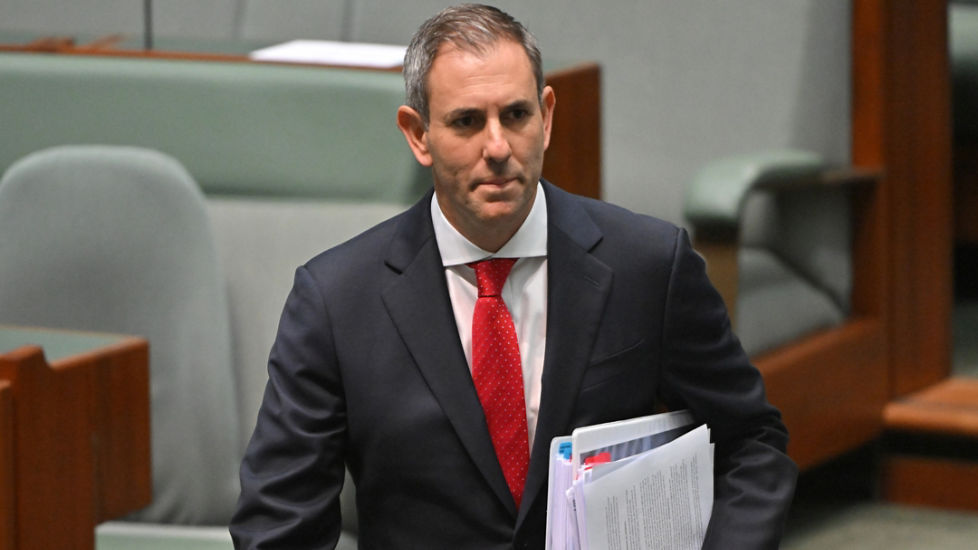
The IMF specifically recommended increasing the Goods and Services Tax (GST) from its current rate of 10%, alongside cuts to the corporate tax rate and increased taxes on the resources sector. The recommendations arrive as Treasurer Jim Chalmers prepares to deliver the federal budget in May, where a reduction in the 50% capital gains tax concession is already anticipated.
“Executive directors welcomed Australia’s progress toward a soft landing and internal balance,” the IMF report stated. “They commend Australia’s robust institutions, flexible markets, agile policy toolkit and flexible exchange rate, which position the country to manage external risks from trade policy uncertainties and tighter global financial conditions.” The report followed a recent interest rate hike by the Reserve Bank of Australia in response to an uptick in inflation.
While acknowledging the IMF’s assessment, Treasurer Chalmers has already signaled resistance to key proposals, particularly an increase to the GST. “We’ve made it clear that we don’t intend to go down that path when it comes to the GST,” Chalmers told reporters in Brisbane on Monday, according to Yahoo Finance Australia. He added that the government is focused on addressing intergenerational issues in the economy through alternative measures.
The IMF’s report too highlighted the need for a coordinated approach to address housing supply constraints, emphasizing the importance of both supply-boosting measures and tax reforms. It further recommended improved fiscal coordination between the federal government and individual states and territories, with regular monitoring of sub-national fiscal positions. The report noted that high debt levels in states like Victoria and the Northern Territory could potentially impact the federal government’s borrowing capacity.
The IMF’s assessment comes amid concerns about the financial health of several Australian states. 9News reported that Victoria’s gross debt is forecast to exceed $240 billion within three years, equivalent to $3,000 per resident. The IMF suggested that tax changes, including phasing out superannuation concessions and capital gains tax discounts, could generate a more equitable and efficient tax system.
Chalmers, however, maintained a cautious stance, stating that the government would not adopt every recommendation from the IMF. “We find some ideas in these reports that we agree with, some that we don’t, that we won’t be picking up and running with,” he said in a radio interview Monday. Despite this, he characterized the IMF report as “very positive” about Australia and the government’s economic plan.
The IMF report also praised the government’s “bold” reform agenda and recognized its efforts to balance cost-of-living relief with budget repair and economic reform. The next scheduled event related to these discussions is the delivery of the federal budget in May, where Chalmers is expected to announce the reduction of the capital gains tax concession, despite the IMF’s broader calls for more sweeping tax changes.
