
The United Kingdom and five European allies have concluded that Russian opposition leader Alexei Navalny was killed by poisoning with the nerve agent epibatidine, a highly potent toxin derived from the skin of poison dart frogs native to South America. The finding, released Saturday, asserts that only the Russian state possessed the means, motive, and opportunity to deploy the substance.
Epibatidine, according to toxicology experts, is a neurotoxin that acts on nicotinic receptors in the nervous system. Jill Johnson, a toxicology expert, stated the toxin is “200 times more potent” than morphine. When administered in a sufficient dose, it can cause muscle twitching, paralysis, seizures, a slowed heart rate, respiratory failure, and death. Alastair Hay, emeritus professor of environmental toxicology at the University of Leeds, explained that the toxin inhibits nerve action by blocking nicotinic receptors, leading to paralysis and suffocation.
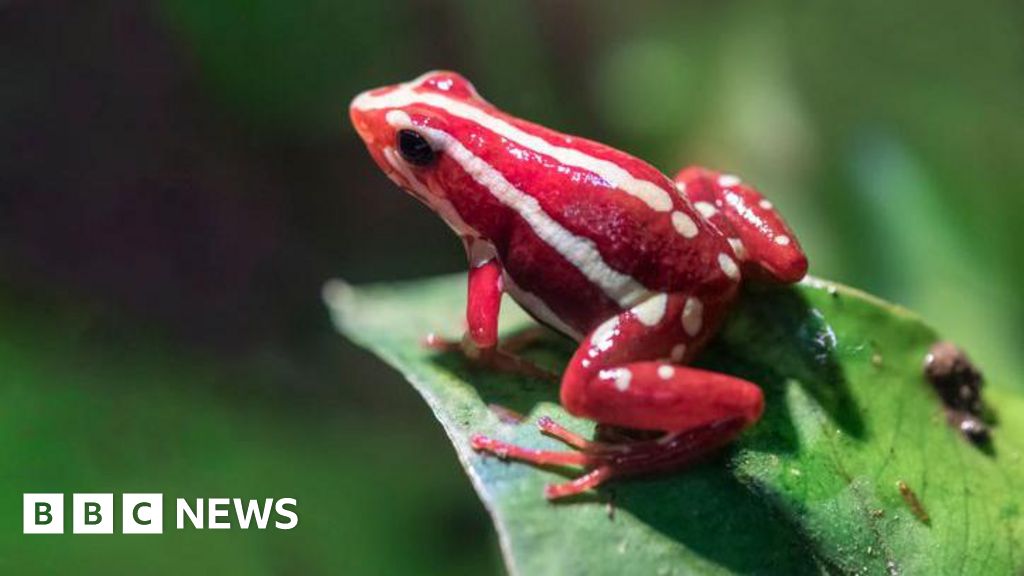
The toxin is naturally secreted by several species of poison dart frog found in the rainforests of northern South America, including Anthony’s poison arrow frog (Epipedobates anthonyi) and the Phantasmal poison frog. Researchers believe the frogs acquire the toxin through their diet, as frogs in captivity do not produce it. The presence of epibatidine in a person’s bloodstream, Hay said, “suggests deliberate administration.”
While epibatidine has been investigated for its potential as a powerful analgesic – it is approximately 100 times more potent than morphine – its extreme toxicity has prevented its clinical use. The toxin was once highly sought after for its pain-relieving properties, but researchers have not pursued its development due to the risks associated with its use.
The joint statement from the UK, Germany, France, Sweden, and the Netherlands indicated that traces of epibatidine were found in samples taken from Navalny’s body. Navalny died in a Siberian penal colony in February 2024. The Kremlin has dismissed the findings as an “information campaign,” according to the Tass news agency.
Scientists note that while epibatidine occurs naturally in South American dart frogs, it is not found naturally in Russia. The report did not disclose the specific toxicology reports used to reach its conclusion, but indicated that the toxin could also be manufactured in a laboratory. Kyle Summers, an emeritus biology professor at East Carolina University, noted that while the toxin has been known for decades, it had not previously been linked to any known assassinations.
The governments involved have not released further details regarding the method of delivery or the specific source of the epibatidine. The investigation remains ongoing, and the Russian government has not offered any alternative explanation for Navalny’s death.
