
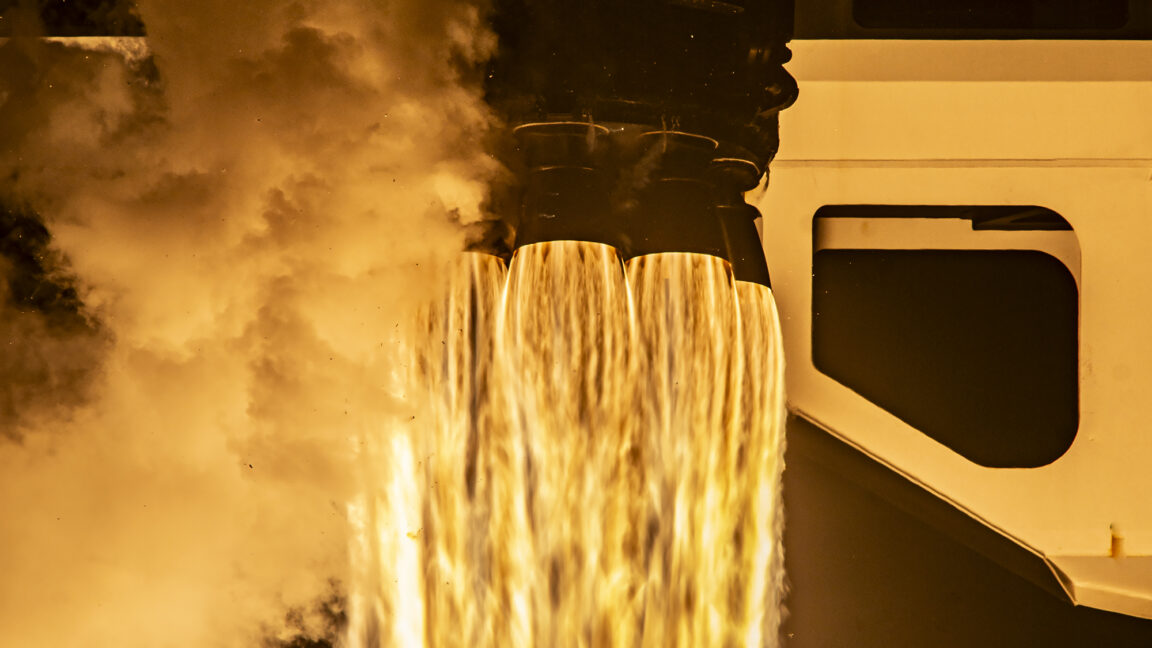
The International Space Station (ISS) regained full staffing on Saturday evening with the arrival of SpaceX’s Crew-12, ending a period where NASA astronaut Chris Williams operated with limited support following the early return of Expedition 73.
Williams, who launched to the ISS aboard a Russian Soyuz MS-28 spacecraft on November 27, 2025, with cosmonauts Sergey Kud-Sverchkov and Sergei Mikaev, found himself as the sole NASA representative in orbit after the departure of Crew 11 on January 15, 2026. The unexpected early homecoming of the previous crew necessitated a swift response from NASA and its commercial partner, SpaceX.
According to NASA, the ISS, with many of its systems exceeding two decades of service, required significant attention to maintenance and monitoring during the period of reduced staffing. The early return of Crew 11 prompted NASA and SpaceX to accelerate the launch schedule for Crew-12, minimizing the duration Williams would be responsible for the substantial U.S. Segment of the station.
The SpaceX Dragon spacecraft carrying Crew-12 – comprised of NASA astronauts Jack Hathaway and Jessica Meir, along with European Space Agency astronaut Sophie Adenot and Roscosmos cosmonaut Andrey Fedyaev – successfully launched early Friday and docked with the ISS Saturday evening. The arrival restores the station’s crew to a more sustainable level for ongoing research and operations.
“This mission has shown, in many ways, what it means to be mission focused at NASA,” stated NASA Administrator Jared Isaacman during a post-launch news conference. “In the last couple of weeks we brought Crew 11 home early, we pulled forward Crew 12, all while simultaneously making launch preparations for the Artemis II mission. It’s only possible because of the incredibly talented workforce we have here at NASA alongside our contractors, and our commercial and international partners.”
Williams had been conducting scientific research and technology demonstrations during his time aboard the ISS, including work on a latest modular workout system for long-duration missions, experiments to improve cryogenic fuel efficiency, and the growth of semiconductor crystals in space. He was also assisting NASA in developing new re-entry safety protocols, according to NASA’s initial mission overview.
The successful launch and docking of Crew-12 allows for a resumption of the planned research schedule and a distribution of the workload required to maintain the aging space station. Preparations for the Artemis II mission, intended to send astronauts on a lunar flyby, continue alongside ongoing ISS operations.
