
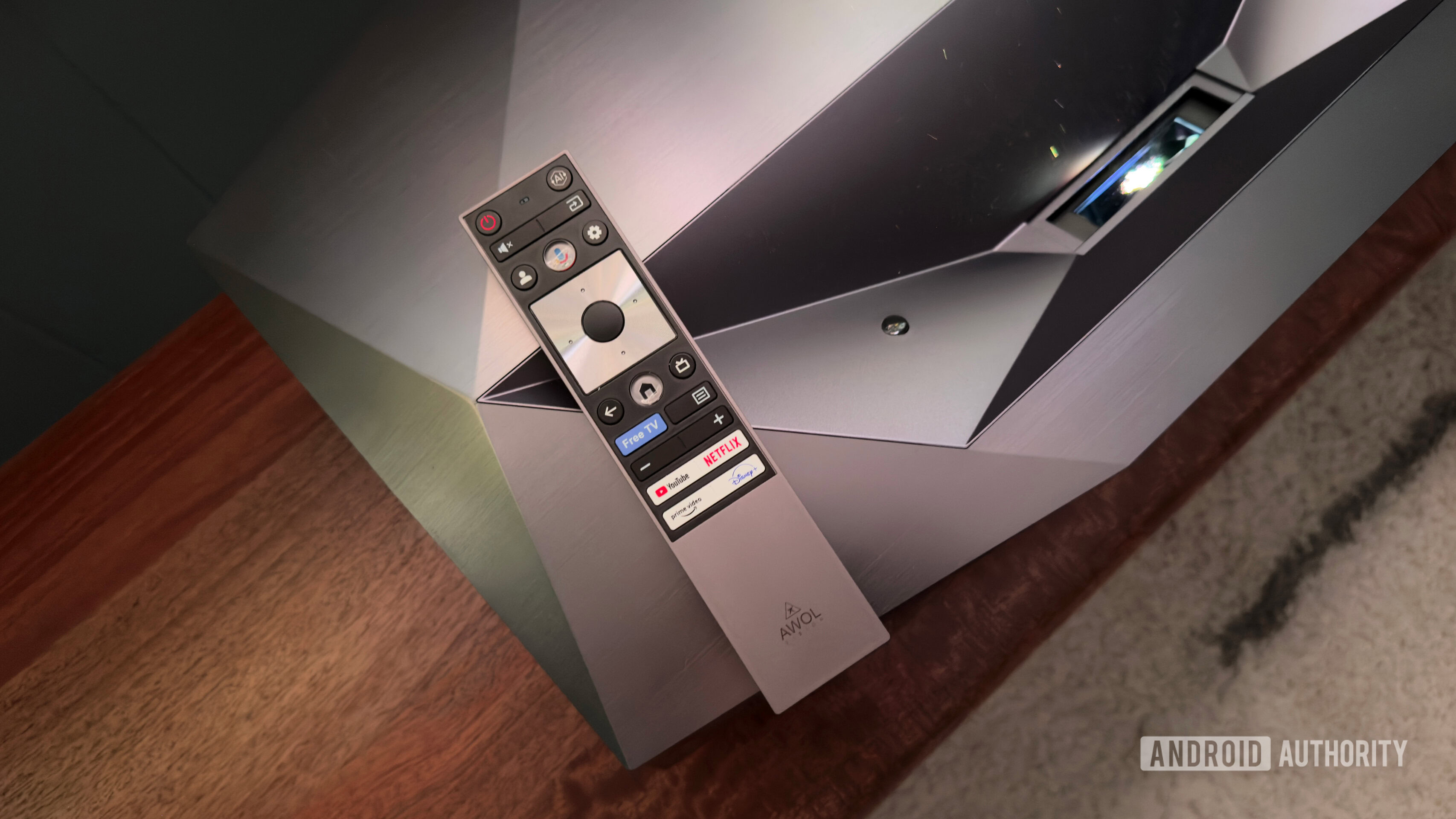
Replacing a television with a projector is gaining traction among home entertainment enthusiasts, but the transition isn’t always seamless, according to recent reports. Whereas the promise of a dramatically larger screen and a cinematic experience is appealing, owners are discovering a range of unexpected challenges, from light control issues to the need for additional audio equipment.
The appeal is clear: projectors offer the potential for a significantly larger image than most televisions can provide. Though, the shift in scale can be jarring. Users moving from a 65- or 75-inch TV to a 100- or 120-inch projected image often find themselves needing to sit closer to maintain immersion, a change that alters the viewing experience, according to accounts shared by projector owners on Reddit and reported by Kaitlyn Cimino of Android Authority.
A major hurdle for prospective projector owners is ambient light. Unlike televisions, which can often overcome bright rooms with sheer brightness, most projectors struggle in daylight. “Daytime viewing often means closing blinds or accepting washed-out colors,” Cimino writes, echoing feedback from users. While ultra-short-throw projectors paired with ambient-light-rejecting screens offer a solution, they come at a higher cost.
Audio quality is another area where projectors often fall short of televisions. Many TVs include adequate built-in speakers, but projectors frequently require external audio solutions. The larger projected image seems to demand a more robust sound system, leading many owners to invest in soundbars or separate speakers shortly after purchasing a projector.
Beyond picture and sound, the operational noise of a projector can be a surprise. Projectors rely on cooling fans to dissipate heat, and even laser models aren’t silent. While the hum is rarely disruptive, it can become noticeable during quiet scenes. Mounting location can also play a role, with ceiling-mounted units potentially being more audible than ultra-short-throw models.
Setup, while easier than in the past thanks to features like auto-keystone correction and obstacle avoidance, still requires careful calibration for optimal results. Achieving a perfectly squared, sharp image with accurate color balance demands time and attention to detail, including adjustments to mounting, throw distance, screen alignment, and color settings.
Finally, picture quality isn’t automatically superior with a projector. While offering impressive scale and a softer image that some find easier on the eyes during extended viewing sessions, projectors can struggle to match the brightness, contrast, and HDR performance of high-end televisions. Gamers may also notice increased input lag compared to TVs with low-latency HDMI 2.1 support.
The decision to switch from a TV to a projector, requires careful consideration. While projectors excel at creating an immersive, cinematic experience, they demand more attention to environmental factors, audio setup, and calibration than a traditional television.
