
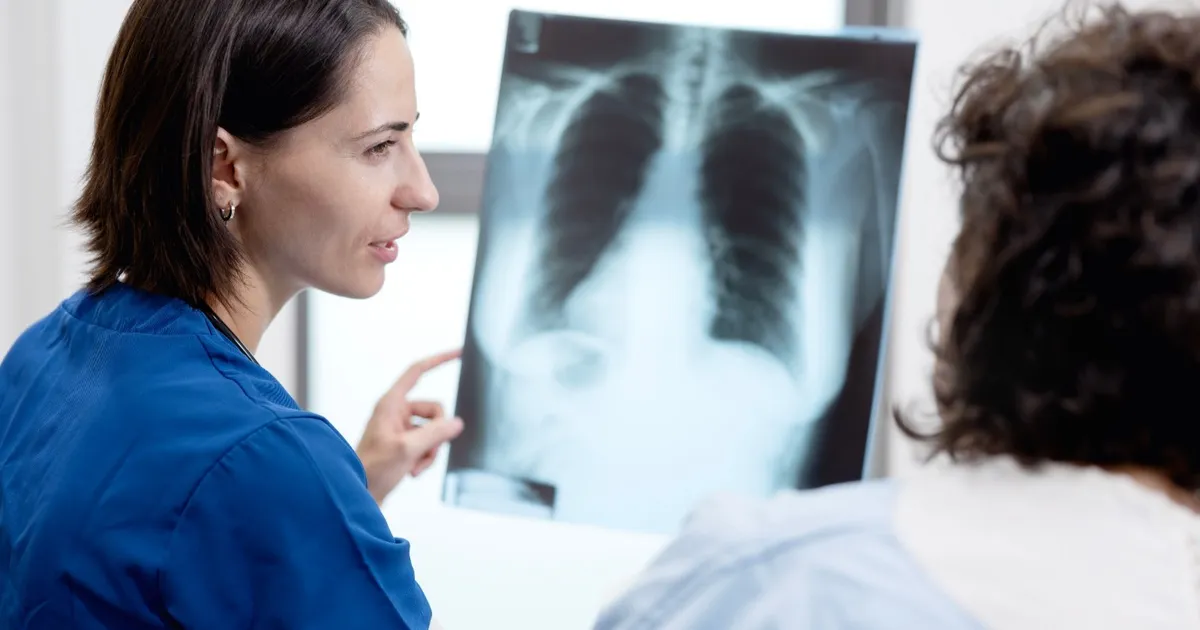
A growing number of lung cancer diagnoses are occurring among individuals who have never smoked, prompting a reassessment of long-held assumptions about the disease and a search for new understanding of its causes. This form of the disease, known as lung cancer in never-smokers, is becoming an increasingly significant portion of new diagnoses globally.
Recent research published in the journal Trends in Cancer highlights lung cancer in never-smokers as a rising global health challenge, not only due to its increasing prevalence but also because of its distinct biological and clinical characteristics compared to smoking-related lung cancer. The study emphasizes that preventative strategies and screening programs effective for smokers may not be directly applicable to those who have never smoked, necessitating the development of new models to identify at-risk populations outside of traditional smoking patterns.
One of the primary challenges associated with this type of cancer is its often delayed diagnosis. Symptoms, such as chronic cough, fatigue, and shortness of breath, are frequently non-specific, and can be attributed to less serious conditions like allergies or respiratory infections. A BBC News Arabic report from June 2025 detailed the experience of one patient, initially misdiagnosed, who ultimately received a stage three lung cancer diagnosis after a prolonged investigation. Because patients and physicians may not initially suspect a serious problem in the absence of a smoking history, diagnosis often occurs at more advanced stages, limiting treatment options and reducing chances of full recovery.
Raising awareness among both the public and medical professionals about the possibility of lung cancer in never-smokers is crucial for earlier detection, researchers say. Simply considering the possibility can prompt earlier imaging tests or specialist referrals, increasing the likelihood of discovering tumors at a stage where intervention is more effective.
While smoking remains the leading known cause of lung cancer, mounting evidence points to other risk factors playing a role in cases among never-smokers. Air pollution, particularly particulate matter, exposure to radon gas, secondhand smoke, radiation exposure, and certain chronic inflammatory diseases are all implicated. Scientists are also investigating the role of inherited genetic mutations that may increase susceptibility, even in the absence of harmful behaviors. A report from the German broadcaster DW noted that research from the University of California San Diego and the U.S. National Cancer Institute suggests genomic evidence linking air pollution and other environmental factors to the development of lung cancer in never-smokers.
The focus on genetic factors opens the door to developing more precise risk assessment models, combining genetic, environmental, and medical data. These models could potentially identify a category of “high-risk never-smokers,” enabling targeted and cost-effective screening programs, rather than relying solely on smoking history as a criterion, as is currently the case in many countries.
At the molecular level, studies reveal distinct differences between smoking-related and never-smoker lung cancers. The latter is often adenocarcinoma, characterized by “driver mutations” directly involved in tumor growth. Common mutations include changes in the EGFR gene or ALK gene fusions, which can be targeted with successful, targeted therapies. However, tumors in never-smokers tend to have fewer overall mutations compared to those in smokers, potentially making them less responsive to immunotherapy, which relies on activating the immune system to fight cancer cells. This difference presents an additional challenge for physicians, reinforcing the need for personalized treatment approaches based on each patient’s molecular characteristics.
Despite advances in targeted therapy, prevention remains paramount. Researchers suggest potential interventions including personalized prevention programs for individuals with inherited genetic predispositions, and anti-inflammatory strategies for those with chronic inflammation or long-term pollution exposure. Public health interventions, such as monitoring radon levels in buildings, strengthening air quality regulations, and reducing exposure to secondhand smoke, are also vital.
The psychological and social dimensions of lung cancer in never-smokers are also significant. Patients diagnosed with the disease despite never smoking may experience a unique form of shock, as the illness is often associated with smoking in public perception. Addressing this stigma is essential, not only to provide psychological support to patients but also to raise general awareness that cancer is a multi-factorial disease with causes beyond individual behaviors. The Alawsat news outlet reported on the growing recognition of this issue, highlighting the need for increased awareness.
Geographical disparities in the incidence of lung cancer among never-smokers also exist, with some countries reporting higher rates in women, suggesting the presence of region-specific environmental or genetic factors. Researchers emphasize the need for international collaboration in research and data sharing to achieve a more comprehensive understanding of the disease globally. According to a report by Elconsolto, between 10% and 20% of lung cancer cases occur in people who have never smoked or who have smoked fewer than 100 cigarettes in their lifetime.
