
The United States is on the verge of losing its “measles-free” status as cases continue to rise across the country, with 866 reported nationwide in the first five weeks of 2026, compared to just 71 during the same period last year.
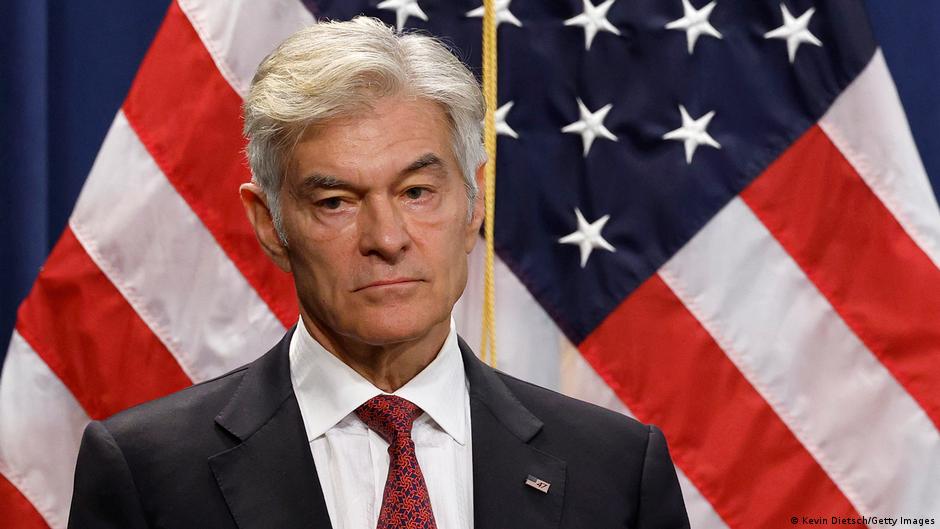
Mehmet Oz, administrator for the Medicare and Medicaid health insurance programs, urged Americans this week to ensure they are vaccinated against measles, stating in a CNN interview, “Take the vaccine, please. Measles is one [disease where] you should get your vaccine.”
Oz’s appeal comes amid a contradiction with the views of US Health Secretary Robert F. Kennedy Jr., who has previously expressed skepticism about vaccine safety. Since his appointment, Kennedy has overseen revisions to US vaccine recommendations, including those for Hepatitis B, COVID-19, and combination inoculations for measles, mumps, rubella, and varicella.
The US was declared measles-free in 2000, and for years, annual cases remained in the hundreds. However, 2025 saw a record number of cases since that declaration, and current trends suggest 2026 will surpass that figure. Vaccine coverage in the US has now fallen below the 95% threshold needed for herd immunity, and is significantly lower in some areas, including parts of Texas and South Carolina.
“This week’s renewed call for measles vaccination from the administrator of the Centers for Medicare and Medicaid Services, Dr. Mehmet Oz, feels like too little too late,” said Sruti Nadimpalli, a clinical associate professor specializing in pediatric infectious disease at Stanford University. “We need our leaders to more proactively, strongly and consistently endorse childhood vaccines, which have been repeatedly proven to be safe and effective.”
While the US experiences a surge in cases, Europe and Central Asia reported a 75% drop in measles cases from 2024 to 2025. However, the World Health Organization and UNICEF have cautioned against complacency, noting that 32 European countries were declared measles-free in September 2025, but several, including Austria, Spain, and the UK, subsequently lost their elimination status in January.
Fatima Cengic, UNICEF’s immunization specialist for Europe and Central Asia, explained that immunization efforts are often underfunded because the success of vaccination programs has led to a decline in perceived risk. “Because it’s been extremely successful in preventing deaths, governments are not so willing to to pay so much attention to it or invest in immunization programs, so they’re very often underfunded,” she said.
Both regions are grappling with a combination of under-vaccination, loss of herd immunity, and outbreaks in vulnerable communities, fueled by complacency and a lack of understanding regarding the dangers of highly contagious childhood diseases.
