
Spotify’s top developers haven’t written a single line of code since December, according to the company’s co-CEO Gustav Söderström, revealed during the company’s fourth-quarter earnings call this week.
The streaming giant is increasingly relying on artificial intelligence, specifically an internal system called “Honk” powered by Claude Code, to accelerate app development and deployment. Söderström described a workflow where engineers can request code changes or new features via Slack, receive an updated version of the app on their phones, and then merge the AI-generated code into the production version – all before arriving at the office.
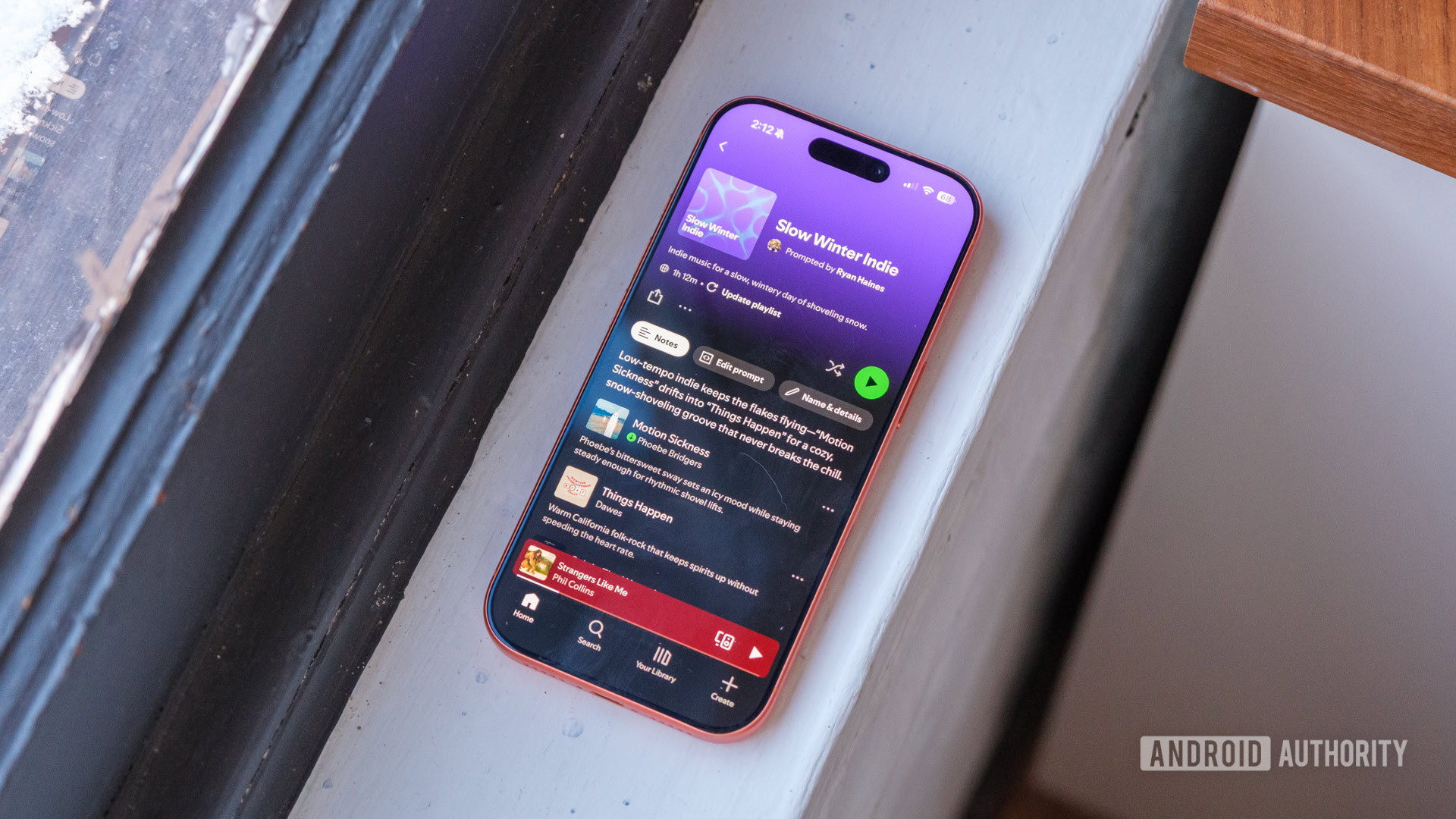
This shift towards AI-driven development comes as Spotify shipped more than 50 new features and changes to its streaming app throughout 2025, including AI-powered Prompted Playlists, Page Match for audiobooks, and About This Song. The company credits the system with speeding up coding and deployment “tremendously,” and anticipates further advancements in AI’s role within the company.
Spotify is also building a proprietary dataset of music-related information, believing it possesses a unique advantage over publicly available datasets like Wikipedia. Söderström stated this dataset is “improving every time we retrain our models,” suggesting potential for future AI-powered features beyond those currently available.
The announcement arrives shortly after Spotify increased subscription prices for its Premium Individual plan to $12.99 per month in the US. The company justified the price hike as necessary to “keep delivering a great experience,” but the revelation of AI’s growing influence on app development raises questions about the nature of that experience and the role of human developers.
According to Claude’s customer profile, Spotify utilized the Claude Agent SDK to automate complex code migrations across thousands of repositories. This suggests a broader application of AI beyond individual feature requests and bug fixes, extending to large-scale infrastructure changes.
