
CAPE TOWN – As policymakers and industry executives convened at the annual African Mining Indaba in Cape Town this week, a familiar pattern emerged: governments courting investment, companies promising economic benefits, and celebratory rhetoric framing Africa as vital to the global energy transition. Yet, beneath the surface of optimistic pronouncements lies a long-standing issue of accountability, as multinational mining companies have historically extracted substantial profits from the continent while often avoiding full responsibility for environmental and social costs.
The core concern, increasingly urgent as the world pivots towards clean energy, is who ultimately bears the burden of extraction. Transnational mining corporations have demonstrated a pattern of shedding liabilities by selling assets, restructuring operations, and relocating headquarters, effectively transferring social, environmental, and fiscal responsibilities to host communities.
South Africa provides a stark illustration of this trend. Anglo American, a dominant force in the country’s mining sector since 1917, has significantly reduced its domestic presence in recent years as part of a global portfolio streamlining. Between 2021 and 2024, the company’s South African workforce decreased by over 20%, falling from approximately 41,000 to 32,000 employees. Simultaneously, its tax and royalty payments to South Africa plummeted by 81%, from roughly R41 billion (approximately $2.5 billion) to R7.8 billion, according to company reports.
While market fluctuations and the costs of transitioning to recent strategies are often cited as explanations, these figures highlight a fundamental structural problem: capital mobility is not matched by equivalent accountability. When mining companies withdraw, the associated costs do not vanish. they are instead transferred to local communities, straining municipal budgets, hindering infrastructure maintenance, and leaving environmental damage unaddressed.
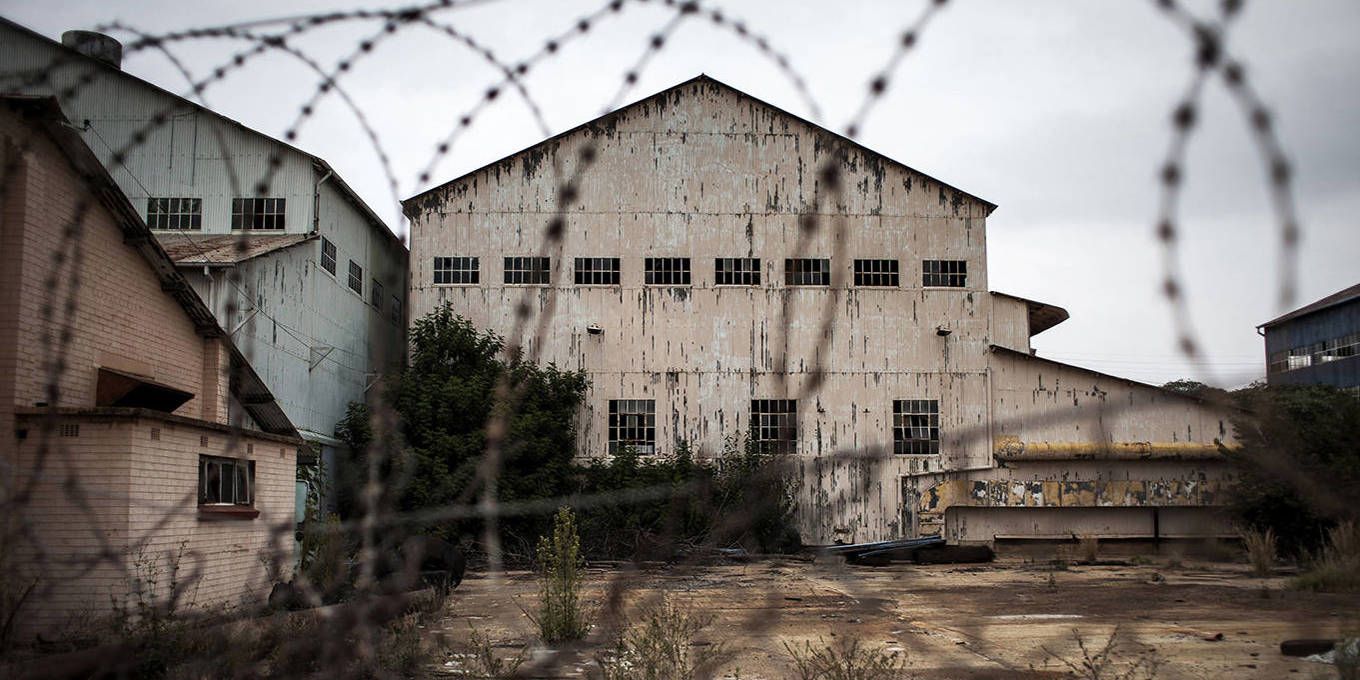
In the South African province of Mpumalanga, heavily impacted by decades of mining, hundreds of abandoned or inadequately rehabilitated mines pose ongoing environmental risks. Between 2011 and 2016, authorities issued only six mine closure certificates, signifying the completion of required rehabilitation work. Acid mine drainage continues to contaminate water systems in the region.
The human consequences are equally severe. In Kriel, a mining town in Mpumalanga, over 200 residents were forcibly evicted in 2025 after a change in mine ownership led to the abrupt termination of employment-linked housing. This resulted in homelessness, legal uncertainty, and social disruption for those affected.
Across South Africa, mining companies have generated billions of dollars in profits while delivering limited benefits to host communities. A significant portion of funds allocated for local development remains undelivered or unaccounted for, raising concerns about transparency and effective resource management.
Arguments that stricter regulations would deter investment and that African governments cannot afford to risk foreign capital are often presented. However, this perspective rests on a flawed premise. South Africa’s challenges stem not from overly burdensome entry requirements for multinational companies, but from weak enforcement of social and environmental regulations and the absence of requirements for obtaining the free, prior, and informed consent of affected communities. Canada, in contrast, imposes stricter mine closure requirements and conducts public-interest reviews of major corporate restructurings, yet continues to attract international investment.
The core issue is a global governance gap. While multinational corporations can readily transfer profits and assets across borders, the enforcement of environmental, social, and human rights protections remains largely confined within national jurisdictions. This imbalance was evident at the African Mining Indaba, where governments competed for investment while mining companies retained the leverage of potential withdrawal.
This dynamic is now extending to the clean-energy transition. As demand for minerals like platinum, lithium, copper, and cobalt surges, Africa is poised to turn into a major supplier of critical materials for decarbonization. This increased demand underscores the urgency of addressing the existing accountability gaps.
National reforms, while necessary, are insufficient. A problem rooted in transnational power imbalances requires international solutions. The long-stalled negotiations toward a binding international treaty on business and human rights remain crucial in establishing reliable accountability mechanisms.
Without such mechanisms, the clean-energy transition risks replicating the patterns of the past, leaving behind a legacy of abandoned mines, depleted municipalities, contaminated water sources, and displaced communities. The African Mining Indaba’s focus on new beginnings must extend to a serious consideration of endings, and a commitment to ensuring that the costs of extraction are not borne solely by those with nowhere else to turn.
