
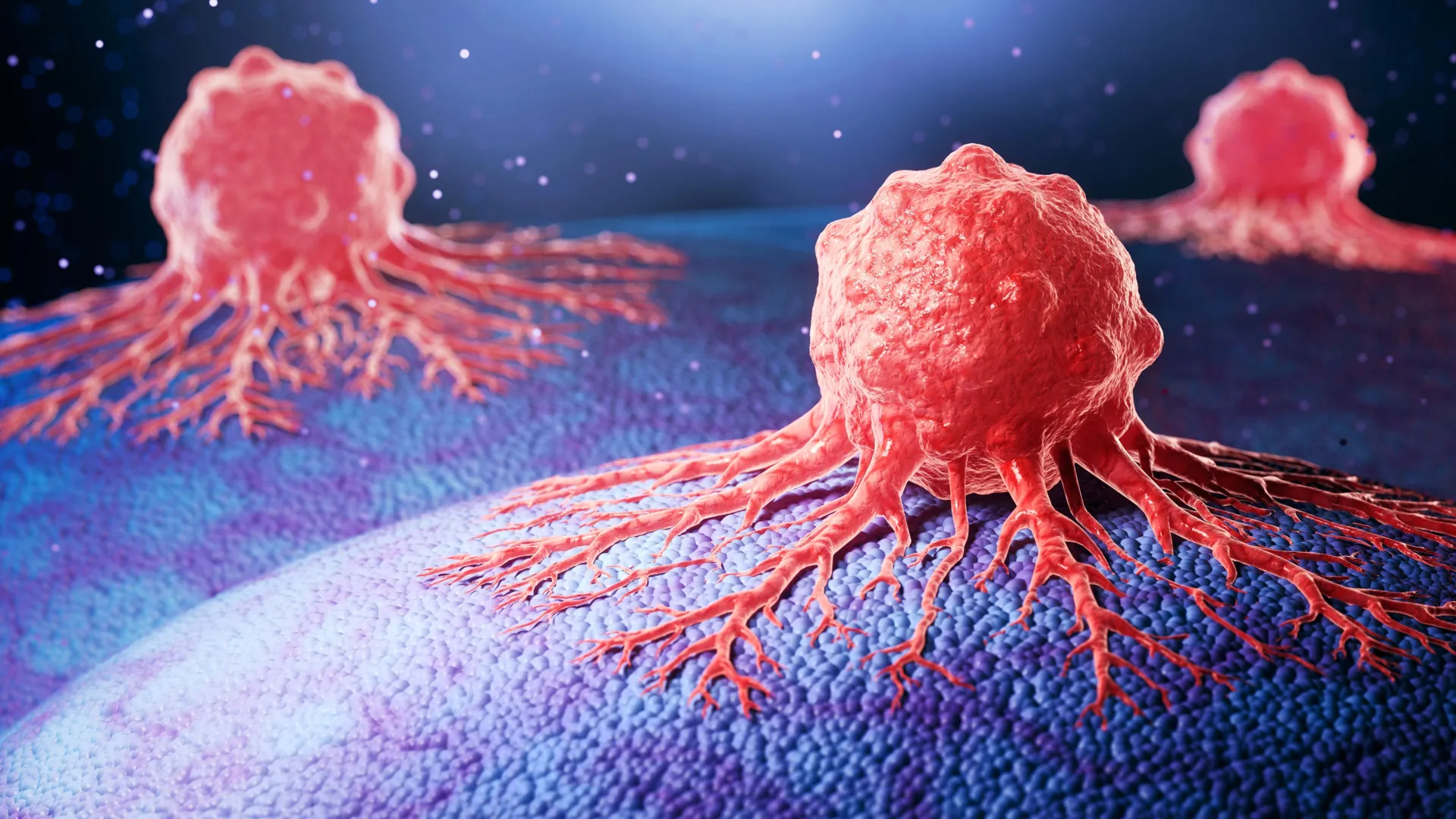
Could this discovery change how cancer is treated in the future? In laboratory studies, the answer appears promising. an international team of scientists has uncovered a key biological process that helps pancreatic cancer grow and evade the immune system. By disrupting this process, researchers were able to dramatically shrink tumors in animal experiments.
the findings reveal a central way cancer cells protect themselves from immune attack. When this protective mechanism was blocked, tumors in laboratory animals rapidly collapsed, suggesting a powerful new vulnerability in one of the deadliest forms of cancer.
Published Findings and Global Collaboration
The study was published in the journal Cell and was led by an international group of researchers. Much of the experimental work was carried out by Leonie Uhl, Amel Aziba, and Sinah Löbbert, along with collaborators from the University of Würzburg (JMU), the Massachusetts Institute of technology (USA), and Würzburg University Hospital.
Martin Eilers, Chair of Biochemistry and Molecular Biology at JMU, led the research as part of the Cancer Grand Challenges KOODAC* team. Funding support came from Cancer Research UK, the Children Cancer Free foundation (Kika), and the French National Cancer Institute (INCa) through the Cancer Grand Challenges initiative. Additional funding was provided by an Advanced Grant from the European Research Council awarded to Eilers.
The Protein That Drives cancer Growth
The researchers focused on MYC, a protein that has been studied for decades in cancer biology. MYC is known as an oncoprotein as it plays a major role in pushing cells to divide. “In many types of tumors, this protein is one of the central drivers of cell division and thus of uncontrolled tumor growth,” explains Martin eilers.
What remained unclear was how tumors with very high MYC activity avoid being detected by the immune system. Despite growing rapidly, MYC-driven tumors often fail to trigger an immune response, allowing them to spread unchecked.
MYC Takes on a Second Role Under Stress
The team discovered that MYC doesn’t just promote cell division; it also actively suppresses the immune system when the cancer cell is under stress. Specifically, MYC directly binds to and inhibits the production of a molecule called MHC class I.MHC class I molecules are crucial for presenting pieces of the cancer cell to the immune system, essentially acting as a “flag” that signals, “attack me!”
“We found that MYC directly interferes with the expression of MHC class I molecules,” says Leonie Uhl.“This means the cancer cells become invisible to the immune system.” When the researchers blocked MYC activity,MHC class I levels rebounded,and the immune system was able to recognize and destroy the tumor cells.
Blocking MYC: A New Therapeutic Strategy?
The findings suggest that targeting MYC, or the pathway it uses to suppress MHC class I, could be a promising new strategy for treating pancreatic cancer and possibly other cancers driven by MYC. However, directly inhibiting MYC has proven challenging. The researchers are now exploring ways to disrupt the interaction between MYC and MHC class I, or to boost MHC class I expression independently of MYC.
“This is a important step forward in understanding how pancreatic cancer evades the immune system,” says Amel Aziba. “It opens up new avenues for developing therapies that can unleash the power of the immune system to fight this deadly disease.”
Key Takeaways:
- Researchers identified a new role for the MYC protein in suppressing the immune system.
- MYC inhibits the production of MHC class I molecules, making cancer cells invisible to immune cells.
- Blocking MYC activity restored MHC class I expression and allowed the immune system to attack tumors in animal models.
- This discovery suggests a potential new therapeutic strategy for pancreatic cancer and other MYC-driven cancers.
