
Bridging the Gap: Why Translational Research Struggles and How to Accelerate Bench-to-Bedside Innovation
Translational research – the vital process of converting laboratory discoveries into practical applications for patient care – holds immense promise for revolutionizing healthcare. Yet, despite its potential, this crucial field frequently encounters roadblocks, hindering the swift and effective delivery of innovative treatments. The journey “from bench to bedside” is often fraught with challenges, stemming from systemic issues within the research landscape and a critical need for enhanced support for the next generation of scientists.
The Promise and Peril of Translational Research
At its core, translational research aims to address unmet medical needs by applying findings from basic science to clinical practice. This encompasses a spectrum of activities, from identifying potential drug targets to developing new diagnostic tools and refining treatment strategies. https://www.nlm.nih.gov/about-nlm/translational-research.html Successful translational research can dramatically improve patient outcomes,reduce healthcare costs,and enhance overall public health.
however, a meaningful gap often exists between groundbreaking laboratory results and their real-world impact. Studies consistently reveal that a substantial proportion of promising preclinical findings never translate into approved therapies. https://www.ncbi.nlm.nih.gov/pmc/articles/PMC4788583/ This inefficiency isn’t due to a lack of scientific merit, but rather a complex interplay of factors that impede progress.
Key Obstacles to Effective Translation
One of the primary hurdles is a frequent misalignment of research goals between laboratory scientists and clinicians. Basic scientists often focus on basic mechanisms of disease, while clinicians are primarily concerned with patient care and immediate clinical needs. Without robust communication and collaboration, research can become detached from the practical realities of the healthcare system.
This disconnect is often exacerbated by a lack of adequate infrastructure to support translational research. Dedicated funding, specialized facilities, and streamlined regulatory pathways are essential for navigating the complex process of bringing a discovery to market. Insufficient investment in these areas can significantly slow down the pace of innovation.
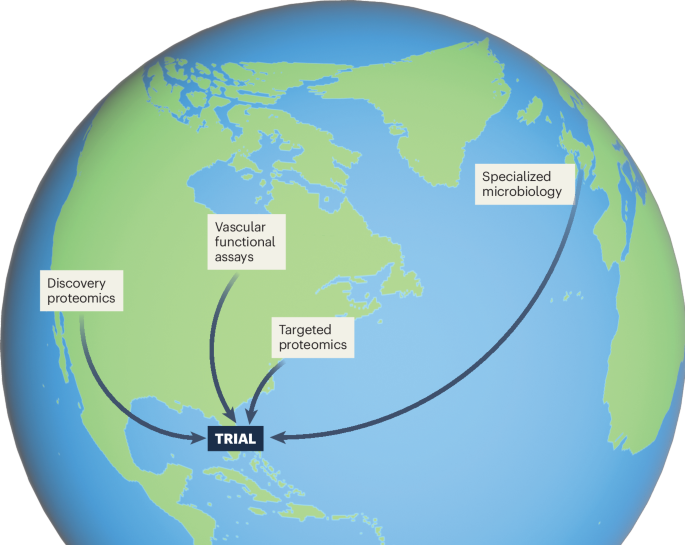
Furthermore, the customary structure of academic research, centered around the Principal Investigator (PI) and their laboratory, can inadvertently contribute to the problem. While the PI-lab model has been successful in driving fundamental discoveries, it often fosters a narrow focus on a single disease or mechanism. This can limit the potential for broader applications and hinder collaboration with researchers working in different areas. As noted in research published in science Translational medicine, this model can sometimes lead to discoveries lacking a clear path to clinical implementation. https://www.science.org/doi/10.1126/scitranslmed.aaw4419
The Early-Career Researcher Challenge
A frequently overlooked aspect of the translational research bottleneck is the lack of support for early-career researchers.Navigating the complexities of translational research requires specialized skills and knowledge, including grant writing, regulatory affairs, and clinical trial design.Many young investigators lack the dedicated mentorship and hands-on training necessary to succeed in this challenging field.The question, “Where do I even start?” is a common refrain among those entering translational research.
Without adequate guidance, promising early-career scientists may become discouraged or choose to pursue research avenues with more clearly defined pathways. This represents a significant loss of potential talent and innovation.
Strategies for Accelerating Translational Research
Addressing these challenges requires a multifaceted approach.Several key strategies can definitely help accelerate the translation of laboratory discoveries into patient-focused solutions:
* foster Interdisciplinary Collaboration: Creating opportunities for regular interaction and collaboration between basic scientists, clinicians, and industry partners is crucial. Joint research projects, shared facilities, and cross-training programs can definitely help bridge the communication gap and foster a more collaborative research environment.
* Invest in Infrastructure: Increased funding for translational research infrastructure, including core facilities, clinical trial networks, and data sharing platforms, is essential.
* Streamline Regulatory Pathways: Simplifying and accelerating the regulatory approval process for promising new therapies can help bring innovative treatments to patients more quickly.
* Prioritize Mentorship and Training: Developing dedicated mentorship programs and hands-on training opportunities for early-career researchers is vital.These programs should focus on the practical skills needed to navigate the translational research landscape.
* Embrace Team Science: Moving away from the traditional PI-centric model towards a more collaborative “team science” approach can broaden the scope of investigation and increase the likelihood of clinical request. This involves fostering shared leadership, promoting open communication, and recognizing contributions from all team members.
By addressing these challenges and implementing these strategies, we can unlock the full potential of translational research and accelerate the advancement of innovative therapies that improve the lives of patients worldwide. The future of healthcare depends on our ability to effectively bridge the gap between the laboratory and the bedside.
