
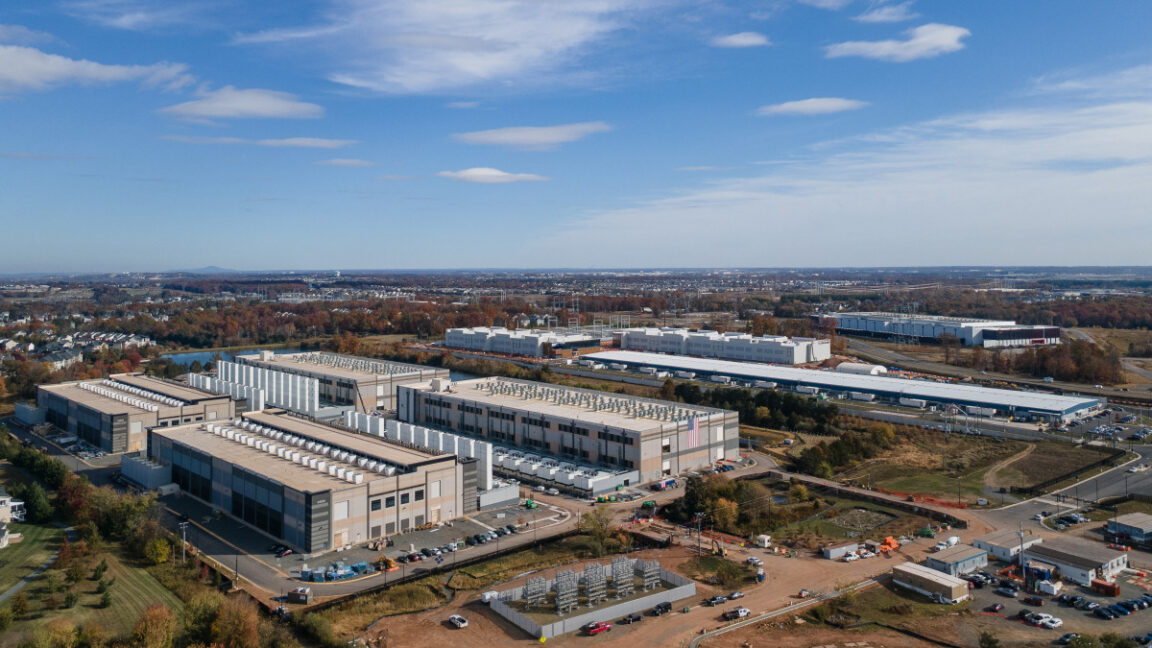
Microsoft’s Wisconsin Data Center: A New Model for Water Conservation and Community Partnership
microsoft is charting a new course for data center development with its planned facility in Mount Pleasant, Wisconsin, prioritizing both cutting-edge water conservation technologies and a commitment to local community investment. The project, announced in early 2023, aims to redefine the relationship between large-scale tech infrastructure and the environment, while also assuring local municipalities of continued tax revenue. While ambitious goals are often met with skepticism, Microsoft’s approach, already partially implemented in Georgia, offers a potentially replicable model for sustainable data center operations.
the Growing Water Challenge for Data Centers
Data centers, the backbone of the digital world, require significant amounts of energy to operate – and a surprisingly large amount of water. This water isn’t used by the servers themselves, but rather for cooling the immense heat generated by thousands of processors working simultaneously.Traditional cooling systems rely on a “once-through” approach, drawing in large volumes of water, circulating it to absorb heat, and than discharging it – frequently enough warmer – back into the environment. According to the U.S. Geological Survey, thermoelectric power plants, wich share similar cooling needs with data centers, accounted for 41% of total freshwater withdrawals in the United States in 2015.
This reliance on water poses several problems:
* Strain on Local Resources: In regions facing water scarcity, data center operations can exacerbate existing challenges.
* Environmental Impact: Discharging warmer water can harm aquatic ecosystems.
* Rising Costs: Water prices are increasing in many areas, impacting operational expenses.
Microsoft’s Closed-Loop Cooling System: A Game Changer
To address these concerns, Microsoft is implementing a closed-loop cooling system at its Wisconsin data center. This innovative approach dramatically reduces water consumption by recirculating the cooling liquid continuously. Instead of drawing water from municipal supplies or natural sources, the system utilizes a sealed loop where a cooling fluid absorbs heat from the servers and then releases it through a cooling tower. The key difference is that the water evaporated in the cooling tower is collected and reused, minimizing the need for fresh water intake.
this technology isn’t entirely new, but Microsoft’s commitment to deploying it on a large scale is noteworthy. The company has already implemented a similar system at its data center in Lithia Springs, Georgia. As reported by Data Center Dynamics, the Georgia facility has demonstrated significant water savings, effectively eliminating the need for potable water for cooling. The Wisconsin facility is expected to achieve similar results.
How the Closed-Loop System Works:
- Heat Absorption: A cooling fluid circulates through the data center,absorbing heat generated by the servers.
- Heat Rejection: the heated fluid is pumped to a cooling tower.
- Evaporation & Condensation: Water is evaporated in the cooling tower,releasing the heat to the atmosphere. The evaporated water is then condensed back into liquid form.
- Recirculation: The cooled fluid is returned to the data center to repeat the cycle.
This closed-loop system represents a significant step towards more sustainable data center operations, reducing the environmental footprint and lessening the burden on local water resources.
Commitment to Local Tax Revenue: A Partnership Approach
Beyond water conservation, Microsoft has also addressed concerns regarding the financial impact of its presence on local communities. Data centers frequently enough seek tax incentives from municipalities to encourage their development, which can sometimes lead to reduced property tax revenue for local schools and services.
In a blog post detailing the company’s commitments, Microsoft President Brad Smith explicitly stated that Microsoft will not ask local municipalities to reduce their property tax rates. The company intends to pay its full share of local property taxes, ensuring that local communities benefit financially from the data center’s presence.
This commitment is a departure from the typical negotiation process and signals a desire to build a collaborative relationship with the local community. It demonstrates a recognition that long-term success depends on being a responsible and contributing member of the area. Microsoft aims to bring these commitments to life in the first half of 2026.
The Broader Implications for Sustainable Data center Design
Microsoft’s approach in Wisconsin and Georgia could set a new standard for data center development.The combination of advanced water conservation technologies and a commitment to local economic benefits represents a holistic approach to sustainability.
Other emerging technologies contributing to water conservation in data centers include:
* Direct Liquid Cooling: Bringing the cooling fluid directly to the heat source (processors) for more efficient heat removal.
* **Air
