
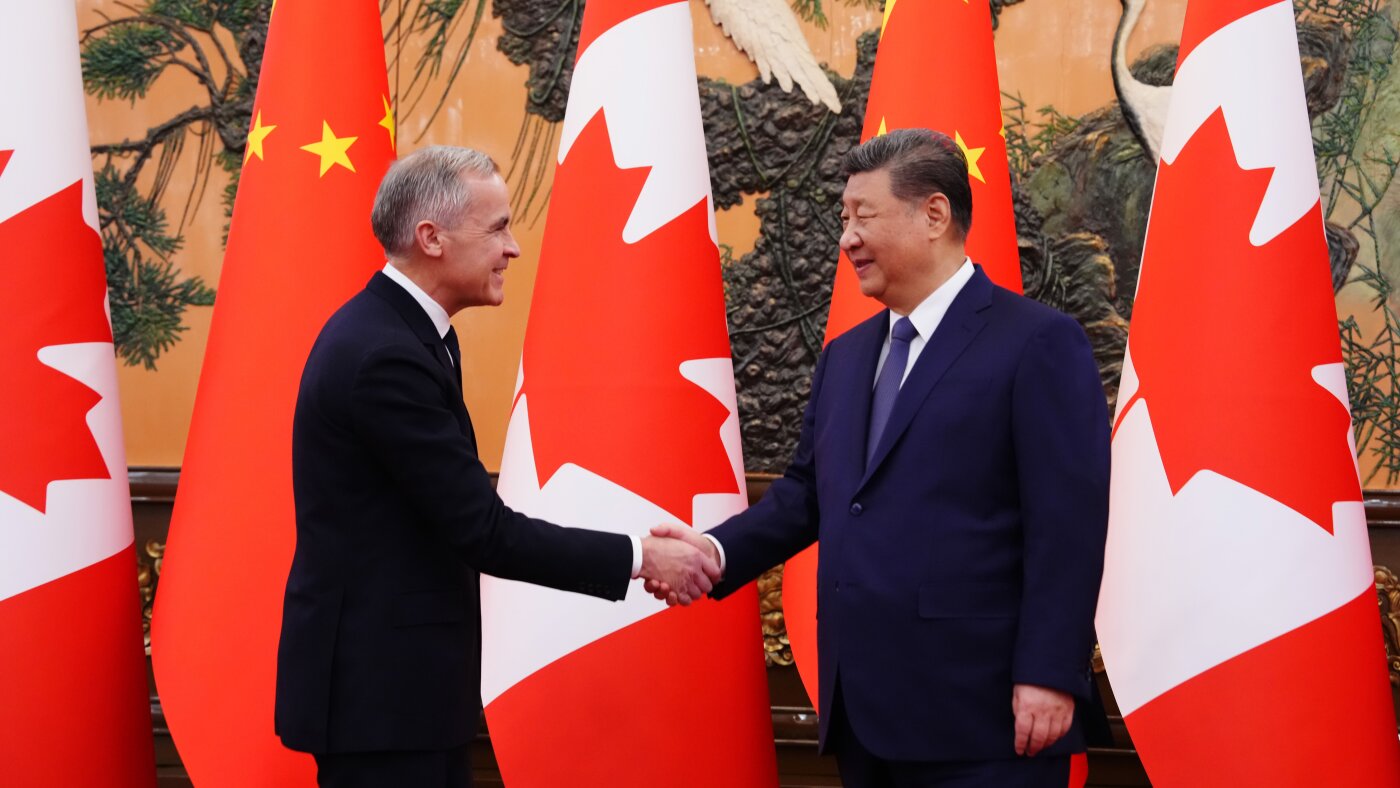
Canada and China Forge New Trade Relationship, Lowering Tariffs on EVs and Canola
Published: 2026/01/22 06:55:11
BEIJING — In a notable departure from U.S. trade policy, Canada has reached an agreement with China to reduce tariffs on Chinese electric vehicles (EVs) in exchange for lowered tariffs on key Canadian agricultural exports, Prime Minister Mark Carney announced Friday. This move signals a strategic shift for Canada, aiming to diversify its trade relationships and navigate a changing global economic landscape.
A landmark Agreement: Details of the Deal
Following two days of intensive meetings with Chinese leadership, Prime Minister Carney unveiled the details of the agreement.Initially, China will allow the import of up to 49,000 Canadian EVs at a reduced tariff rate, a figure slated to increase to 70,000 vehicles over the next five years. In return,China will substantially lower its tariffs on Canadian canola seeds,a crucial export for Canadian farmers,decreasing them from approximately 84% to around 15%. [1] This reduction is expected to revitalize Canada’s canola exports to the Chinese market, which have been severely hampered by previous trade disputes.
“It has been a historic and productive two days,” Carney stated, emphasizing the importance of adapting to evolving global dynamics. “We have to understand the differences between Canada and other countries, and focus our efforts to work together where we’re aligned.”
Repairing Relations and Seeking Global Cooperation
The tariff agreement comes alongside a broader effort to mend strained relations between Canada and China.Both Carney and Chinese President Xi Jinping expressed a commitment to improving ties after a period of acrimony. Xi Jinping affirmed his willingness to continue working towards stronger cooperation, noting that discussions had been ongoing since their initial meeting in October at a regional economic conference in south Korea. [2]
Carney underscored the need for improved global governance, arguing that stronger bilateral relationships are essential in a world facing increasing instability. He advocated for a new framework for cooperation encompassing agriculture, energy, and finance, adapted to the “new global realities” shaped by protectionist policies elsewhere. He specifically referenced the “America-first” approach of U.S.President Donald trump and its impact on global trade.
A Strategic Diversification Away from U.S. Dependence
This agreement represents a deliberate effort by the Carney government to reduce Canada’s economic reliance on the United States. Prior to this deal, Canada had mirrored the U.S. in imposing a 100% tariff on Chinese EVs and 25% tariffs on steel and aluminum under the previous governance of Justin Trudeau. [3] China retaliated with hefty tariffs on Canadian agricultural products, effectively shutting down key export markets.
The shift in policy reflects a growing recognition within Canada of the need to diversify its trade portfolio. Carney has consistently emphasized the importance of building an economy less vulnerable to disruptions in the U.S. market,especially considering ongoing trade tensions and protectionist measures.
Industry Response: A “Game-Changer” for Canadian Businesses
The proclamation has been met with enthusiasm from the Canadian business community.Jacob Cooke, CEO of WPIC Marketing + Technologies, described Carney’s visit as “game-changing,” highlighting the re-establishment of dialog, respect, and a clear framework for cooperation between the two nations. “These three things we didn’t have,” Cooke stated. “The parties were not talking for years.”
The Impact of Previous Tariffs and the Road to Recovery
The previous tariffs imposed by both Canada and China had a significant impact on bilateral trade. China responded to Canada’s tariffs with duties of 100% on Canadian canola oil and meal, 25% on pork and seafood, and a 75.8% tariff on canola seeds last August, effectively crippling Canadian canola exports. China’s imports from canada fell by 10.4% in the last year,reaching $41.7 billion. [3]
Analysts suggest that China is strategically seeking to leverage trade disputes to encourage countries like Canada to pursue foreign policies less aligned with the United States. The U.S. President’s rhetoric, including suggestions that Canada could become America’s 51st state, underscores the pressure Canada faces to assert its own economic interests.
Looking Ahead: Carney’s Global Tour
Prime Minister Carney is scheduled to depart China on Saturday and will continue his international tour with a visit to Qatar on Sunday. He will then attend the annual gathering of the World Economic forum in Switzerland next week, where he will engage with business leaders and investors to promote trade and investment opportunities.
