
Iran Protests: A Nation at the Brink of Change
As protests surge across Iran, fueled by economic hardship and widespread discontent, the future of the Islamic Republic hangs in the balance. For Shirin, an Iranian-Australian engineer, the unrest is deeply personal. “I knew that she’s going to protest,” she says of her sister in Tehran,fearing for her safety amidst a brutal crackdown.“Everyone actually feels that obligation to go out.” The current wave of demonstrations, marked by a government-imposed internet blackout, represents a crucial turning point, perhaps capable of achieving what previous uprisings in 2009, 2017-2018, and 2022 could not: the end of the 46-year-old theocratic regime.
A History of Discontent and Escalating Protests
The latest protests were ignited by deteriorating economic conditions, with the value of the Iranian currency plummeting, but quickly broadened into a wider challenge to the government’s authority. Reports from human rights organizations, such as those cited by En-H Rana, indicate that over 2,600 people have been killed in the unrest. The government’s response has been swift and severe, including a complete internet shutdown, effectively cutting off Iranians from the outside world and hindering dialog amongst protesters. This move,mirroring tactics used in the past,has only intensified the resolve of many,while simultaneously raising fears for the safety of those involved.
The Role of Crown Prince Reza Pahlavi
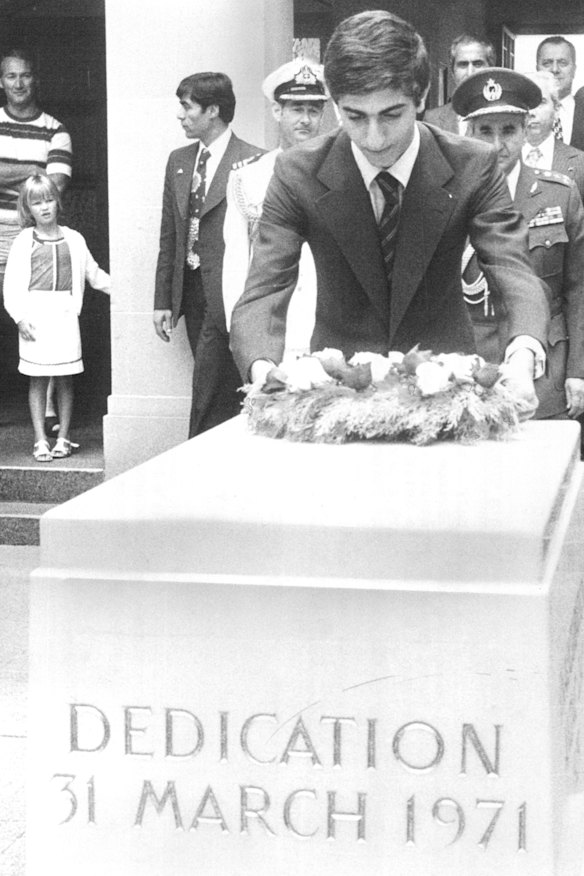
Amidst the chaos, a figure from Iran’s past has emerged as a potential symbol of the future: Crown Prince Reza Pahlavi, the son of the last Shah. Though living in exile, Pahlavi has garnered increasing support within Iran, particularly amongst those yearning for a return to secular governance and economic prosperity.he has actively engaged with the protest movement, issuing calls to action, urging strikes, and encouraging citizens to reclaim public spaces. However, his potential leadership is not without controversy. Concerns remain regarding his ability to represent a diverse opposition and avoid the pitfalls of his father’s authoritarian rule. As Mohammad Ghaedi, a lecturer at George Washington University, points out, “What guarantees that he wouldn’t be another Mohammad Reza shah and rule the way his father ruled?”
A Fragile Opposition and the Mahsa Charter
Pahlavi’s standing is reinforced by a widespread desire for change, but navigating the fractured opposition landscape presents a significant challenge.In 2023, Pahlavi joined forces with other diaspora leaders—including actor Nazanin Boniadi, Nobel Peace Prize laureate Shirin Ebadi, and former football captain Ali Karimi—to create the Mahsa Charter, a document outlining shared values for a future Iran named after Mahsa Amini, whose death sparked significant protests. However, this coalition quickly dissolved due to internal disagreements, as reported by The Washington Post, highlighting the complex and often conflicting visions for Iran’s future.
International Response and Potential Interventions
the international community is closely monitoring the situation in Iran. While former U.S. President Donald Trump initially promised support, his administration ultimately opted for sanctions rather then military intervention. The current administration continues to weigh its options, with some, like Senator Lindsey Graham, advocating for stronger measures.however, a direct military intervention remains a contentious issue, and many analysts caution against it. Experts, such as Jared Mondschein from the United States Studies Centre, believe a compromise solution, potentially involving a shift in leadership but maintaining some existing structures, could be arduous to achieve, as it may not satisfy the deeply entrenched demands for basic change.
The Revolutionary Guard and a Potential Power Vacuum
The potential collapse of the Islamic Republic raises concerns about the role of the Islamic Revolutionary Guard Corps (IRGC). Alam Saleh, a lecturer in Iranian Studies at the Australian National University, warns that the IRGC is unlikely to disappear easily and could potentially destabilize the region, drawing parallels to the post-Saddam Hussein situation in Iraq. The possibility of ethnic tensions escalating amongst Iran’s Kurds,Turks,and Arabs,particularly in border areas,further complicates the picture. Any transition of power must address the security vacuum and prevent the emergence of further conflict.
Looking Ahead: Uncertainty and the Hope for a New Iran
The ongoing protests in Iran represent a pivotal moment in the nation’s history.While the outcome remains uncertain, the courage and determination of the Iranian people are undeniable.As Shirin poignantly states, “They’re like a terrorist mob,” referring to the current regime, “And they have taken 90 million people hostage.” The path to a new Iran will be fraught with challenges,but the yearning for freedom and a better future remains a powerful driving force. Whether that future will be shaped by a restored monarchy, a democratic republic, or another form of governance remains to be seen, but one thing is clear: the Islamic Republic is facing its most serious crisis in decades.
