
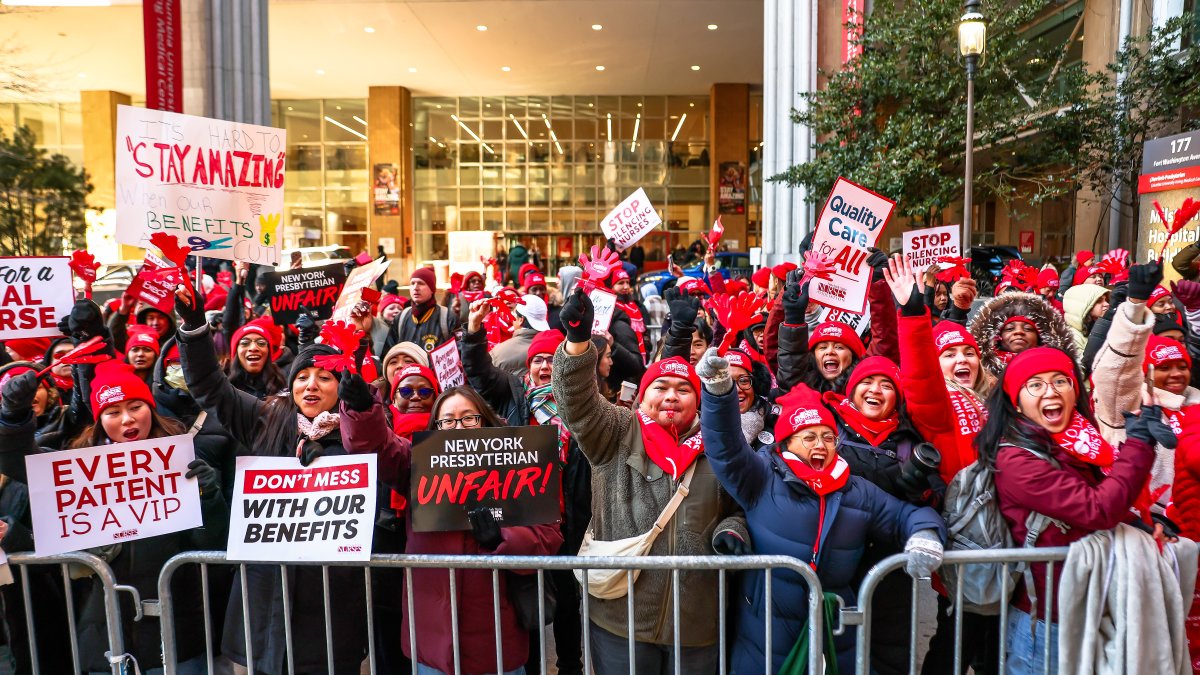
New York, NY – January 20, 2026 – A strike by approximately 15,000 nurses across New York City hospitals has entered it’s fourth day, with little sign of resolution as negotiations between the New York State Nurses Association (NYSNA) and major hospital systems remain at a standstill.The strike, impacting Mount Sinai, Montefiore, and NewYork-Presbyterian hospitals, represents one of the largest labour actions seen in the city’s healthcare sector in decades. While hospitals maintain they are committed to patient care through temporary staffing,nurses on the picket lines express concerns over patient safety,workload,and fair compensation.
Who is Striking and Why?
The strike involves roughly 15,000 registered nurses represented by the NYSNA. Nurses walked off the job on Monday, January 16th, citing concerns over what they describe as inadequate staffing levels, unsafe working conditions, and a lack of commitment from hospital administrators to address these issues. While the vast majority of union members are participating, hospital officials at Mount Sinai report a growing number – currently 23% – choosing to continue working rather than strike. This internal division highlights the complex dynamics within the nursing workforce.
The strike does not affect all hospitals within the three systems. Facilities that reached tentative agreements with the NYSNA prior to the strike are not involved,nor are the city’s public hospitals. This selective impact underscores the specific issues at play within each hospital’s negotiations.
Key Demands of the Nurses
The NYSNA has outlined several core demands, which vary slightly between the three hospital systems but center around three primary areas:
- Safe Staffing Ratios: Nurses argue that current staffing levels are insufficient to provide adequate patient care, particularly in overcrowded emergency rooms. They are seeking guaranteed nurse-to-patient ratios to ensure patient safety and prevent burnout.
- Improved Healthcare Benefits: The union is advocating for better and more affordable healthcare options for nurses themselves, recognizing the physical and emotional toll of the profession.
- Workplace Violence Protection: nurses are demanding increased security measures to protect themselves from increasingly frequent incidents of violence from patients. Recent incidents, such as the assault of a Montefiore nurse who was punched to the ground and required six months of recovery [1], have fueled these demands.
where Do Negotiations Stand?
Negotiations have been fraught with tension. As of Thursday, January 19th, no meetings had taken place between the union and the three hospital systems as sunday, the day before the strike began. NewYork-Presbyterian has scheduled a meeting with union representatives for Thursday evening, offering a potential, albeit late, opening for dialog. [2]
The NYSNA accuses hospital administrators of refusing to engage in good-faith negotiations, while hospital representatives blame the union for making unreasonable demands. Each hospital system is negotiating independently with the union, complicating the process and possibly leading to varied outcomes.
The Financial Divide: Salary expectations
A significant point of contention revolves around compensation. Hospital administrators claim the union’s salary demands are financially unsustainable. Montefiore states the union’s proposal would raise the average nurse’s salary to $220,000 within three years, while Mount Sinai estimates a rise to nearly $250,000. [1] Currently, the average salary for unionized nurses at the three systems is approximately $163,000 annually.
The union argues that these salary demands are justified given the rising cost of living in New York City, the demanding nature of the profession, and the essential role nurses play in patient care. They also point to the significant profits generated by the hospital systems.
Impact on Patient Care
While hospitals have brought in temporary nurses to mitigate the impact of the strike, concerns remain about the potential disruption to patient care. Mount Sinai reported a 25% increase in patient registrations in its emergency department during the early days of the strike, coinciding with the peak of flu season. [2] Hospitals preemptively canceled scheduled surgeries, transferred patients, and accelerated discharges to reduce the strain on resources.
Despite these measures, some patients report minimal disruption. Ruth villanueva, a patient at Montefiore, stated she experienced no noticeable changes in care during her recent visit. [1] Though, the long-term effects of the strike on patient care remain uncertain.
A History of Labor Action
This is not the first time New York City nurses have taken to the picket lines. A similar strike occurred in 2023, also impacting Mount Sinai and Montefiore, and lasted three days. That strike resulted in a three-year contract agreement that included a 19% pay raise. [3] The current dispute suggests that unresolved issues from the previous negotiations continue to fuel tensions.
Looking Ahead
The ongoing strike highlights the critical challenges facing the healthcare industry, including staffing shortages, burnout, and the need to prioritize both patient and worker well-being. The outcome of these negotiations will likely set a precedent for future labor discussions within the healthcare sector, not only in New York City but potentially nationwide. As the strike enters its fourth day, the pressure mounts on both sides to reach a compromise that addresses the concerns of nurses while ensuring the continued delivery of quality patient care.
