
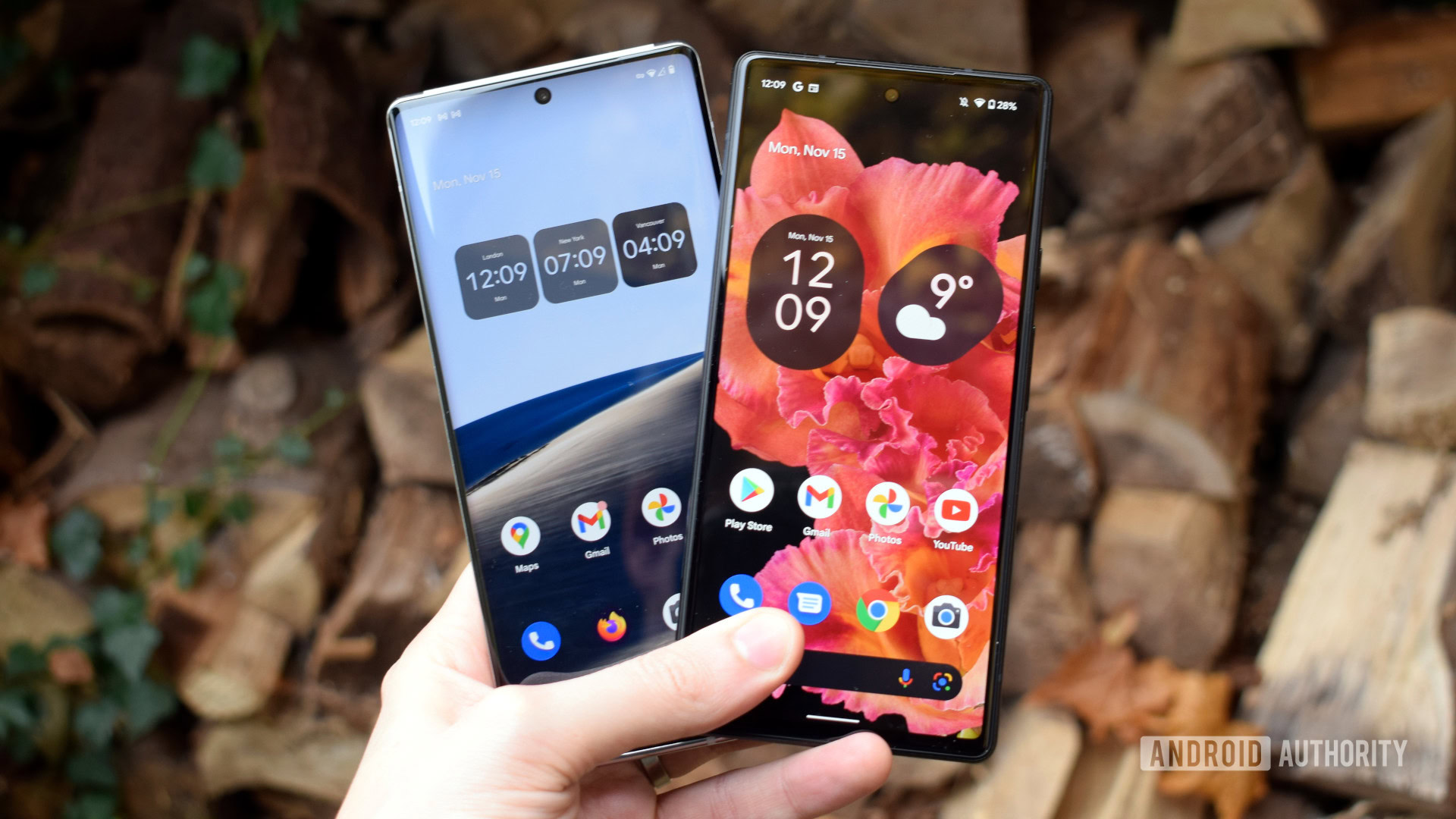
## Are Android Widgets becoming Obsolete? A Longtime User Weighs In
For many Android users, widgets were a defining feature of the platform, offering a customizable dashboard of facts right on the home screen.But as Android has evolved, and with the rise of more dynamic notification systems, are widgets still relevant? Increasingly, the answer seems to be no.As a longtime Android user who initially embraced widgets, I’ve found myself questioning their value in 2026, and even wondering if they could disappear entirely without my noticing.
### A Nostalgic beginning
I first fell in love with Android in 2010, drawn in by its multitasking capabilities, open file system, and, crucially, its home screen widgets.The ability to personalize my phone with at-a-glance information – calendar appointments, music controls, weather updates, system resource usage – was incredibly appealing. It felt like a truly customized experience,putting the information *I* wanted front and center.
### The Slow Decline
Fast forward to today, and my enthusiasm for widgets has waned considerably. While Android has introduced Material You and other design improvements, widgets often feel like an afterthought. They lack the consistency and usefulness they once had. Even Zac Hall at Android Authority has pointed out Google’s apparent lack of investment in widget advancement, and I wholeheartedly agree. While improvements have been made, widgets still fall short of their potential.
A major frustration lies with third-party implementations. Many apps offer widgets that are poorly designed, clashing with the overall aesthetic of the home screen. Local apps, like the Parisian RATP or IDF Mobilité transit apps, are particularly egregious examples, offering widgets that are visually jarring, slow to update, and cumbersome to configure. Even established apps like spotify, Amazon, and WhatsApp often provide widgets that feel unfinished or poorly integrated.
### The Problem with Static Information
Beyond aesthetics,the fundamental problem with many widgets is their static nature. In an age of dynamic information, widgets often present a snapshot that quickly becomes outdated. I don’t *always* need to see my calendar, my current music playback, or the hourly weather forecast. I need information when it’s relevant, not constantly cluttering my home screen.
This is where android’s newer features, like Live Notifications, truly shine. These notifications appear contextually – when I order an Uber, start a navigation trip, or begin driving – and disappear when they’re no longer needed. They provide information precisely when it’s most useful, without the persistent visual noise of a static widget.
### The Rise of Contextual Awareness
Android 16 is introducing Live Updates, a new class of notification that builds on this contextual approach. These “progress-centric” notifications update in real-time, providing dynamic information without requiring constant interaction.This is a significant step forward, offering a more clever and less intrusive way to stay informed.Developers are already exploring how to use the new `Notification.ProgressStyle` to deliver live updates for rideshares, food delivery, and navigation .
### A Smarter Approach is Needed
What I want from widgets is intelligence. I want them to expand and contract based on my needs, appearing when relevant and disappearing when not.Imagine a calendar widget that only shows upcoming events when I have something scheduled,or a Spotify widget that displays recommendations when music isn’t playing. This is where AI could play a crucial role, predicting what information I need and presenting it proactively.
### The Power of “At A Glance”
The one widget I still find indispensable is Google’s “At A Glance” widget, which is more of an integrated feature of the Pixel Launcher. It intelligently displays relevant information – date, weather, upcoming appointments, flight details – without being overly intrusive. It understands *when* to show information, blending seamlessly into the home screen experience. This is the model for future widgets: contextual, dynamic, and unobtrusive.
### A Future Without Widgets?
Ultimately, I’ve reached a point where I could happily live without traditional widgets. I’ve streamlined my home screen, relying on the Pixel Launcher’s search bar and app shortcuts for rapid access to information. The rise of Live Notifications and the potential of AI-powered widgets offer a more promising path forward.
Perhaps widgets, as we know them, are on their way out.and honestly? I wouldn’t miss them. Provided that Google continues to refine features like At A Glance and embrace dynamic, contextual information delivery, the future of the Android home screen looks bright – even without the clutter of traditional widgets.
