
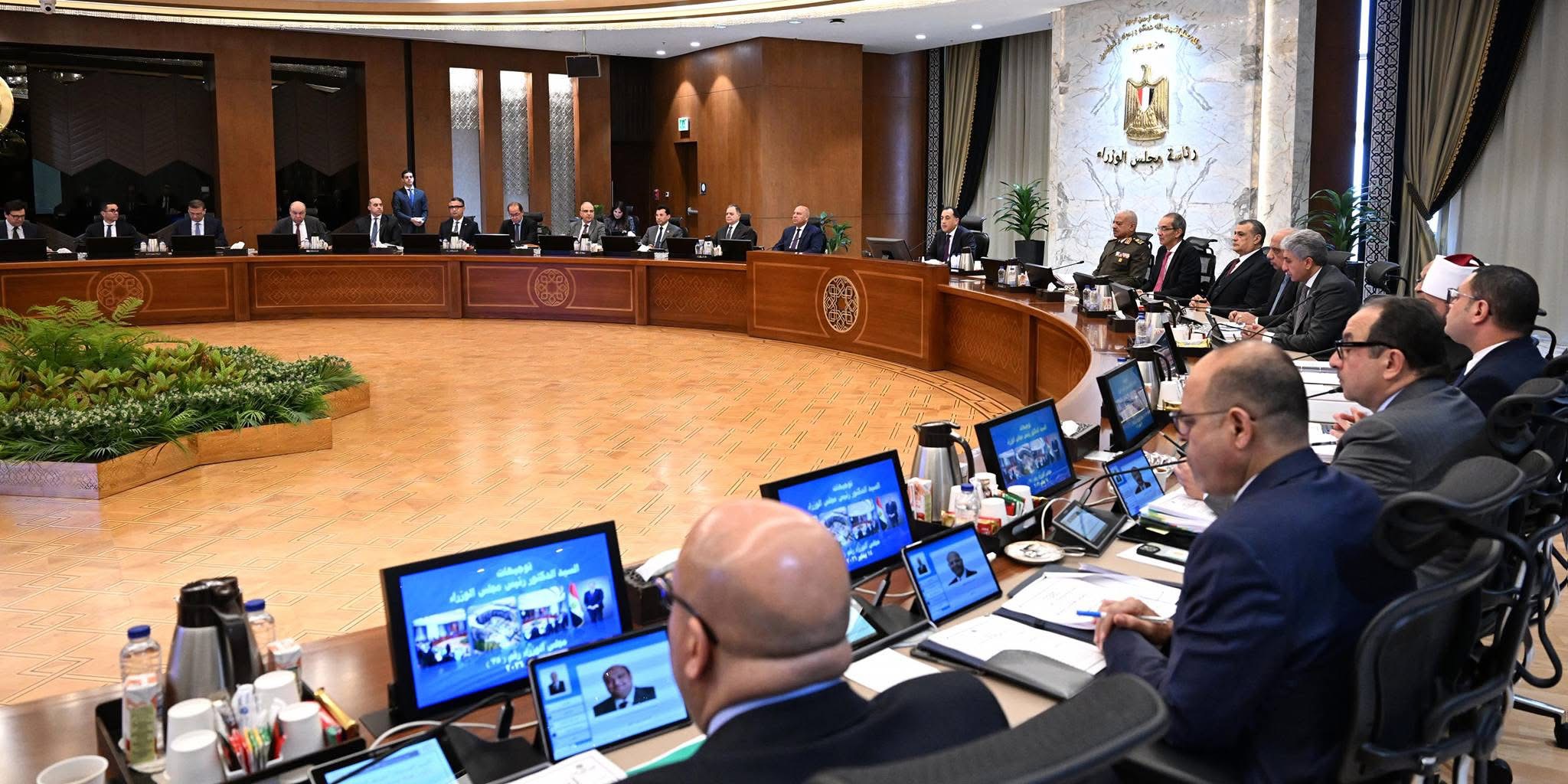
Cairo, egypt – January 19, 2026 – In a sweeping series of decisions, Egypt’s cabinet has moved forward with critically important reforms concerning state land disposal, infrastructure growth, and technological advancement, particularly in the fields of Artificial intelligence (AI) and Quantum Computing. These initiatives, approved on Wednesday, signal a concerted effort to modernize the Egyptian economy and position the nation as a regional leader in emerging technologies.
Streamlining State Land Disposal Procedures
The cabinet, under the leadership of Prime Minister Mostafa Madbouly, has ratified the executive regulations for Law 168 of 2025, designed to streamline the process of disposing of state-owned land. this move aims to address long-standing issues of land rights and facilitate investment. The new regulations establish committees to review and resolve pending legal claims related to state-owned property. A key provision allows individuals who have built on state land before October 15, 2023, to potentially purchase, lease, or gain usage rights, provided structures are stable and comply with zoning regulations.
The regulations differentiate between types of land, offering sales or long-term leases for developed properties, while limiting disposal of agriculturally used land dependent on rainfall to lease or usage rights only. Crucially, the cabinet emphasized that any land disposal will be strictly vetted to ensure it does not compromise national security, defense interests, or civil aviation safety.
Expanding Egypt’s Technological Horizon: AI, Quantum Computing, and Beyond
Recognizing the transformative potential of advanced technologies, the cabinet has rebranded the National Council for Artificial Intelligence as the “National Council for Artificial Intelligence, Quantum Computing, and Emerging Technologies.” This expansion reflects a strategic shift towards a broader, more inclusive approach to technological governance. The council’s expanded mandate will focus on developing regulatory and ethical frameworks for a range of cutting-edge fields, including biotechnology, and, notably, quantum computing. This proactive approach aims to foster a supportive habitat for startups and enhance Egypt’s competitiveness on the global stage.
This move aligns with a growing international consensus that effective governance must encompass a wide spectrum of technologies, not just AI alone. Quantum computing, in particular, is gaining prominence due to its potential to revolutionize fields like cryptography, materials science, and drug revelation. egypt’s commitment to this field was further highlighted by recent collaborative efforts with the Joint Institute for Nuclear research (JINR) [[1]], demonstrating a commitment to building foundational expertise in this critical area.
The Rise of Quantum Computing: A Global Outlook
Quantum computing represents a paradigm shift in computational power.Unlike classical computers that store facts as bits representing 0 or 1, quantum computers utilize qubits. Qubits can exist in a superposition of both 0 and 1 simultaneously, enabling them to perform complex calculations far beyond the capabilities of even the most powerful supercomputers. This has significant implications for fields requiring immense processing power, such as:
- Cryptography: Quantum computers pose a threat to current encryption methods, but also offer the potential for quantum-resistant cryptography.
- Drug Discovery: Simulating molecular interactions to accelerate the development of new drugs and therapies.
- Materials Science: Designing and discovering new materials with specific properties.
- Financial Modeling: Optimizing investment strategies and risk management.
Infrastructure and Economic development Initiatives
Beyond technology and land reform, the cabinet approved significant investments in infrastructure and economic development. A considerable 823 feddans (approximately 3,491 acres) in Arish, North Sinai, have been allocated to the Ministry of Civil Aviation for the expansion of Arish Airport. This project includes upgrades to the runway, construction of a new parallel taxiway, a modern passenger terminal, a VIP lounge, and a helipad, all contributing to the broader Sinai development plan.
In Beni Suef, 370.48 feddans have been designated for industrial development, aiming to meet the growing demand for industrial land and complement the nearby dry port currently under construction. These investments are expected to stimulate economic growth and create employment opportunities in key regions.
Supporting Exports and Public Services
The cabinet also approved the minutes from the Export Development Fund meeting held on November 25, 2025, outlining measures to facilitate payments to companies supported by the fund. This includes assistance for obtaining quality certifications, promoting environmental sustainability, modernizing machinery, and covering air freight costs for exports to key markets like Iraq, Europe, and the United states.
Addressing critical public service needs, the cabinet extended the service of 152 medical professionals beyond the legal retirement age to maintain adequate staffing levels within the Ministry of Health and Population. Moreover, the Ministry of Communications and Information Technology was authorized to manage contracting procedures for the 2027 General Population and Housing Census, ensuring a smooth and efficient data collection process. approval was granted for the Assiut Governorate to contract with the Middle Egypt Electricity Distribution Company to power a new solid waste recycling plant and sanitary landfill.
These multifaceted decisions demonstrate Egypt’s commitment to sustainable development, technological innovation, and economic diversification. By addressing land rights, investing in infrastructure, and embracing emerging technologies, Egypt is positioning itself for continued growth and prosperity in the years to come.
