
Inside MET’s Cutting-Edge Wind Tunnel: The Pursuit of Cycling Speed
Wind tunnels, onc the exclusive domain of research universities and Formula 1 teams, are now becoming increasingly crucial for cycling innovation. Italian helmet brand MET, wiht a legacy of producing top-tier helmets for professional cyclists like Tadej Pogačar, is at the forefront of this technology, operating its own in-house wind tunnel. This allows for a rapid cycle of progress,from initial concept to rigorously tested reality,ensuring their helmets deliver peak performance and,most importantly,safety.
From Concept to Crash Testing: MET’s Comprehensive Approach
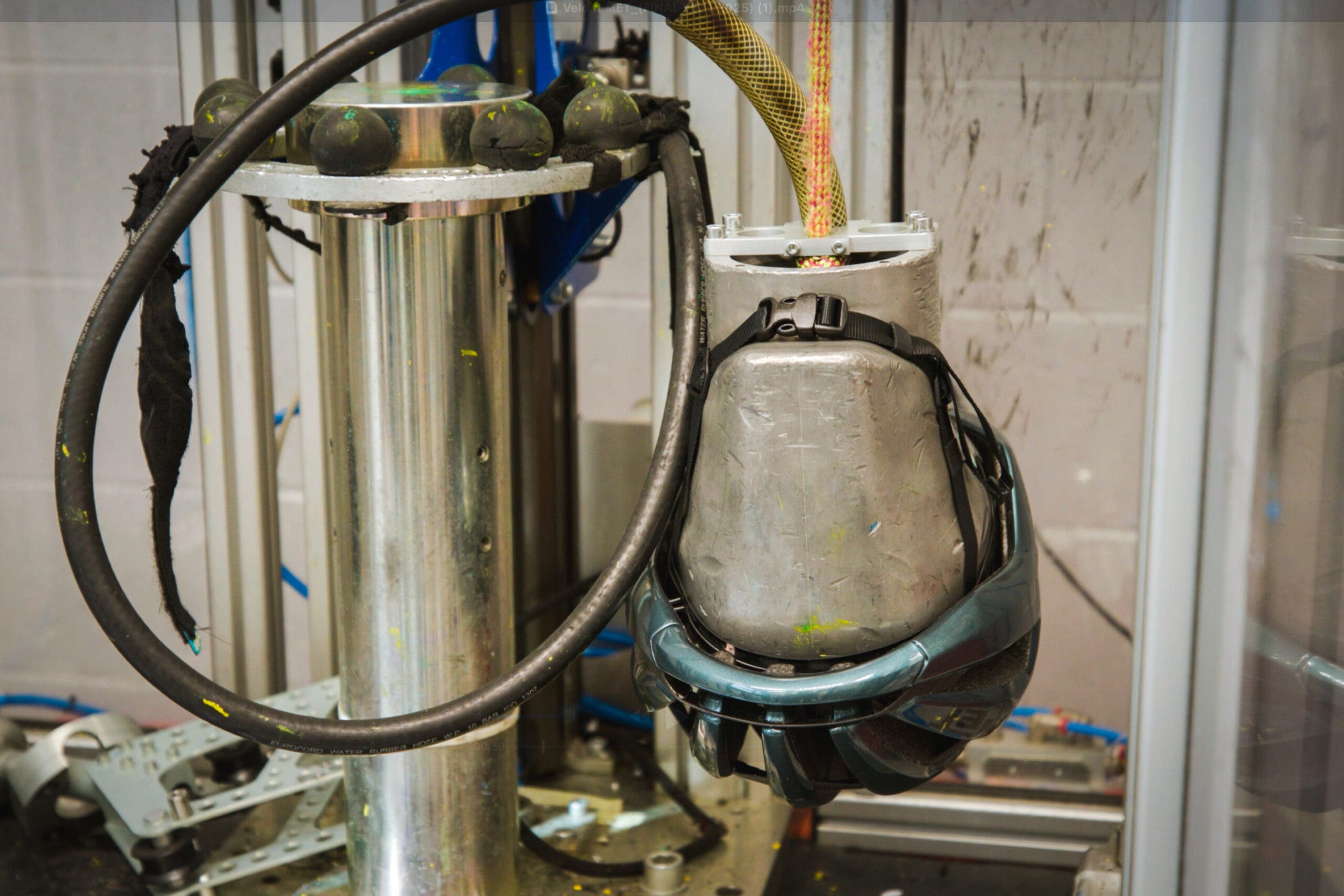
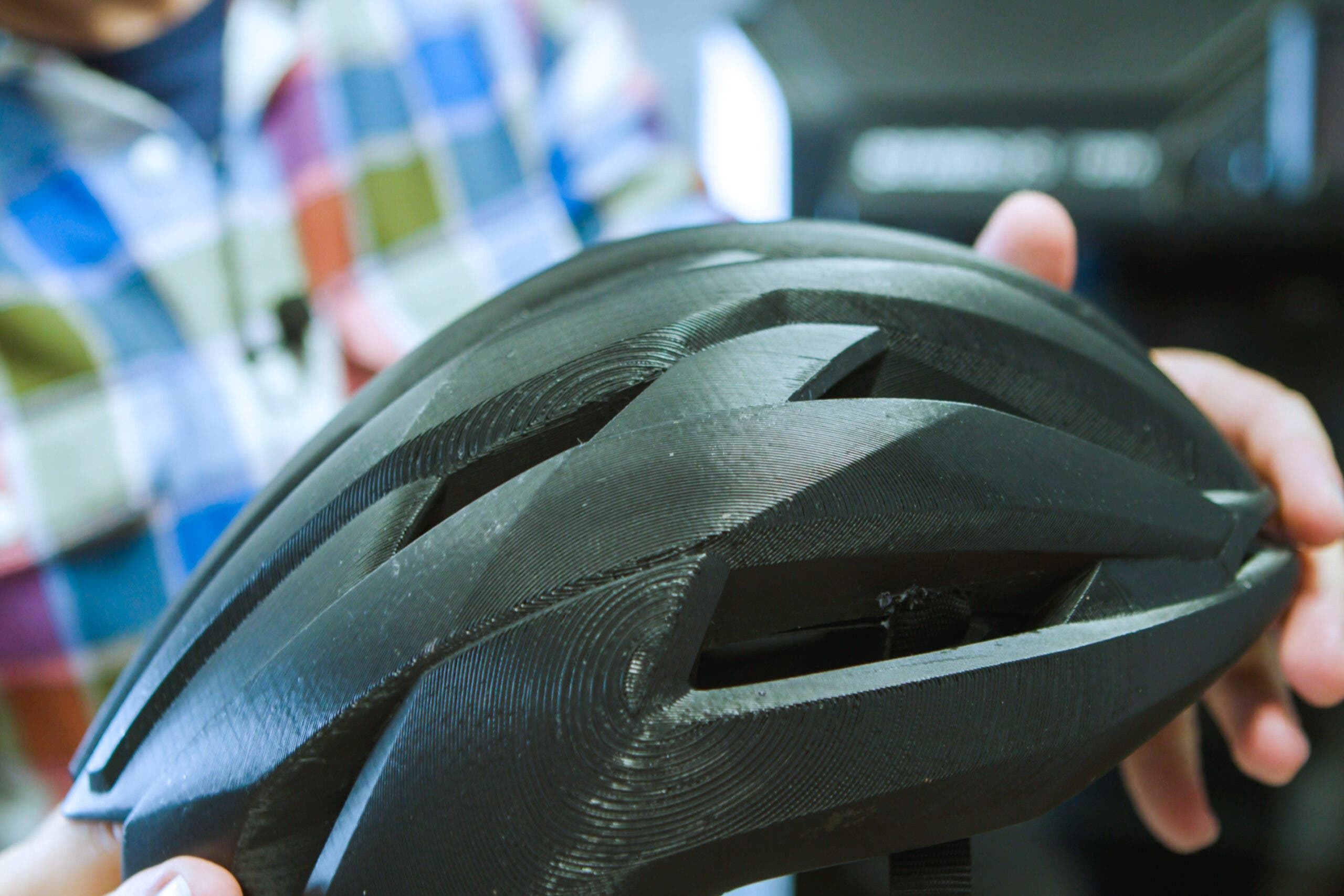
MET’s dedication to aerodynamic efficiency and rider protection is evident in its comprehensive development process. Engineers begin by mocking up helmet designs,utilizing virtual aerodynamics testing to refine shapes before even creating a physical prototype.Once a promising design emerges, 3D printing allows for rapid prototyping, enabling quick iteration and testing within their own facility. This iterative process isn’t solely focused on speed; MET also employs all the standard safety testing equipment used by global helmet certification agencies, subjecting prototypes to rigorous impact tests to guarantee rider safety.
The Science of Speed: Aerodynamics and Ventilation
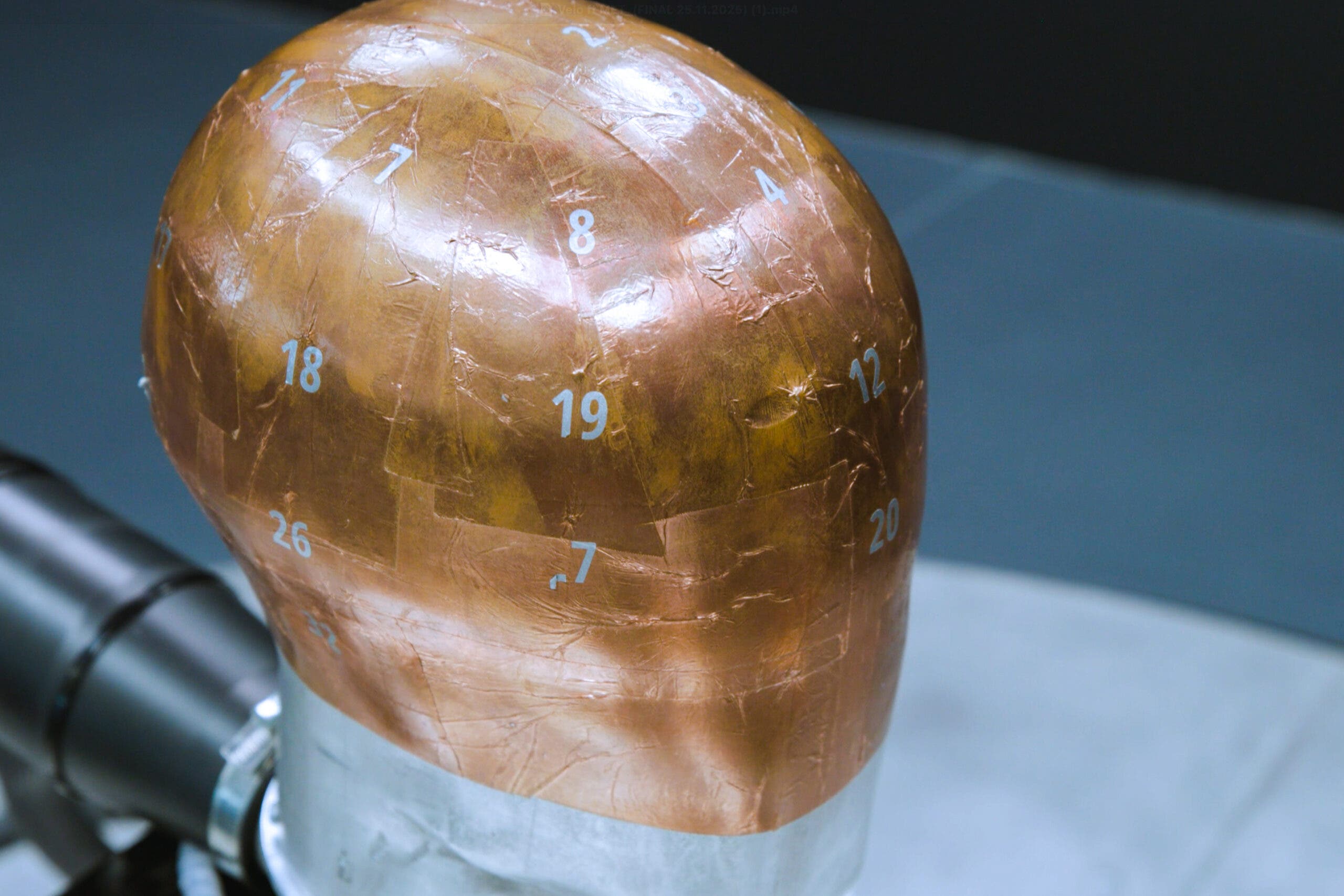
The wind tunnel isn’t just about streamlining shapes. MET’s engineers meticulously analyze airflow around the helmet, identifying areas of turbulence and drag. Concurrently, they measure temperature distribution across 30+ data points inside the helmet to optimize ventilation. This dual focus – minimizing wind resistance and maximizing cooling – is essential for maintaining rider comfort and performance during intense efforts. Effective ventilation prevents overheating, reduces sweat build-up, and ultimately contributes to sustained power output. Proper bike fit is also crucial for optimizing aerodynamics and comfort, complementing the helmet’s performance.
Beyond the Dummy: Real-World Rider Validation
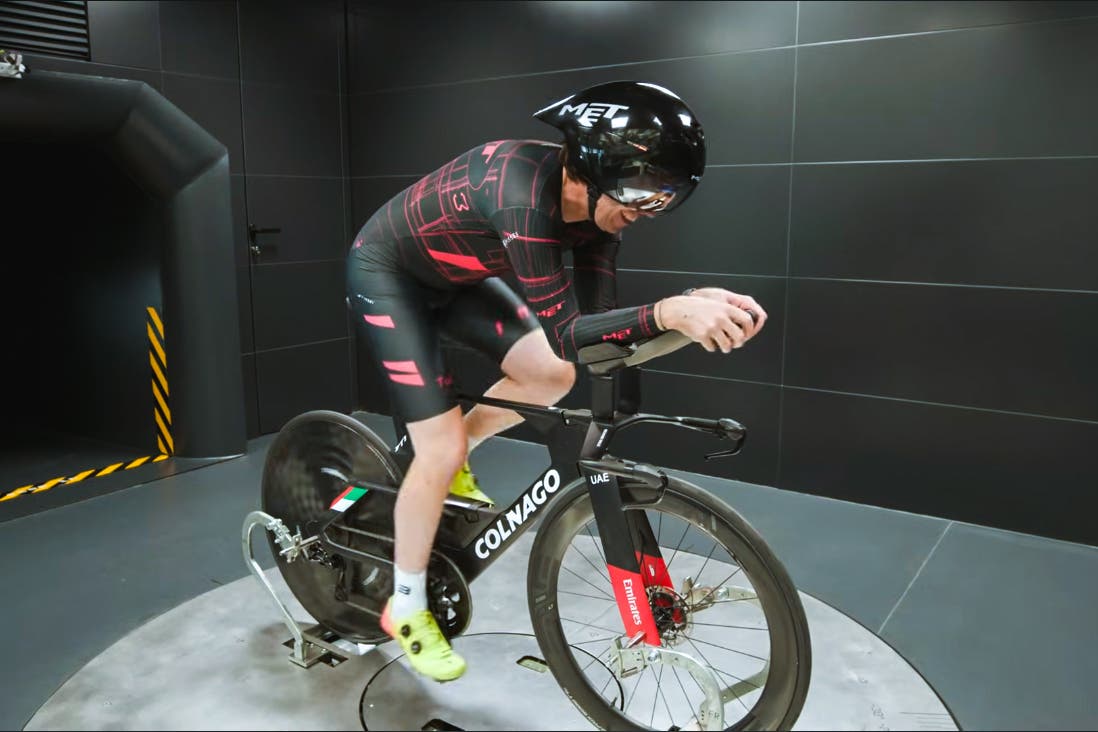
While complex mannequins provide valuable initial data, MET understands that true performance validation requires testing with real riders. the unique physiology and riding position of each cyclist substantially impacts aerodynamic efficiency. This is where a recent Velo test took an intriguing turn. Rather than relying on a professional athlete, the team enlisted the help of “Shoddy Dave” – a self-described MAMIL (Middle-aged Man In Lycra) – to determine which of two MET time trial helmets, the Drone Wide Body II (long tail) and the Codatronca (short tail), best suited his specific body and riding position.
the Shoddy Dave Experiment: Finding the Optimal Fit
The Velo test highlighted a crucial takeaway: there isn’t a single “fastest” helmet. Aero performance is highly individualized. The Drone Wide body II, with its longer tail, typically excels in situations where a rider maintains a more aggressive, forward-leaning position. the Codatronca, with its shorter tail, can be more effective for riders with a more upright posture. The results of Shoddy Dave’s testing proved that finding the right helmet for your riding style and body shape can deliver a meaningful performance advantage.
The Future of Helmet Technology
MET’s commitment to wind tunnel testing and individualized fitting demonstrates a dedication to maximizing the performance of all cyclists, not just the pros. While these helmets won’t instantly transform you into a world champion, they represent a significant step towards optimizing aerodynamics and enhancing rider safety. As technology continues to evolve, we can expect to see even more sophisticated wind tunnel testing and personalized helmet designs, empowering cyclists of all levels to ride faster and more comfortably. The focus will likely shift towards integrating sensors and data analytics into helmets, providing real-time feedback to riders on their aerodynamic position and performance.
