
Metropolitan Police: Over 300 Officers Declare Freemason Membership
More than 300 Metropolitan Police officers and staff have voluntarily disclosed their involvement in freemasonry or other “hierarchical associations” following a recent directive from the force.The Metropolitan Police required officers and staff to declare any past or present membership in organizations characterized as hierarchical, confidential, and requiring mutual support among members.
Legal Challenge from Masonic Bodies
This move prompted legal action from the bodies representing Freemasons. The United Grand Lodge of England (UGLE), acting also for the Order of Women Freemasons (OWF) and the Honourable Fraternity of Ancient Freemasons (HFAF), initiated a legal challenge at the High Court seeking an injunction to suspend the policy pending a full review.
Court Decision and Current Status
On January 2nd, Mr. Justice Chamberlain issued a court order stating the issue of an injunction would be decided by a judge without a hearing. He noted that, crucially, approximately 300 officers and staff had already come forward with declarations. The judge also indicated no immediate disciplinary action is planned against those who haven’t declared membership.
Furthermore, the Metropolitan Police has agreed to reconsider the policy considering feedback from the OWF and HFAF.
Declaration Numbers and Reactions
The Metropolitan Police has confirmed that 316 officers and staff have declared membership in Freemasonry or similar organizations. A UGLE spokesperson expressed no surprise at the high number of voluntary disclosures, stating that most Freemasons are open about their affiliation.
“While this policy stigmatises all Freemasons, it is deeply regrettable that those hardworking and honourable men and women that wish to keep their Freemasonry private are being threatened with disciplinary sanction if they do not comply.” – UGLE Spokesperson
The UGLE awaits the court’s decision regarding the injunction application.
Rationale Behind the Policy
The Metropolitan Police maintains it will “robustly defend” its decision, citing a survey revealing that two-thirds of officers and staff believe membership in such organizations could affect perceptions of impartiality and public trust. Commissioner Sir Mark Rowley championed the declaration requirement as part of a broader effort to increase openness within the force.
However, the UGLE argues the policy could undermine the public credibility of Freemasons and potentially violate human rights and GDPR regulations. They also point out that the survey on the issue had a low participation rate – less than 5% of officers and staff responded.
Understanding Freemasonry
Freemasonry is a centuries-old fraternal organization with approximately six million members worldwide, including over 200,000 in England and Wales. Originating from medieval stonemasons’ guilds,Freemasons gather in lodges for initiation rituals and ceremonies.
- Ancient Roots: Evolved from the guilds of stonemasons.
- Central Figure: King Solomon and the construction of the First Temple in jerusalem are central to Masonic ideals.
- Beliefs: Members are required to believe in a Supreme Being, but are not restricted to a specific religion.
- Practices: Meetings focus on self-advancement and spiritual growth, with a prohibition on discussing politics or religion.
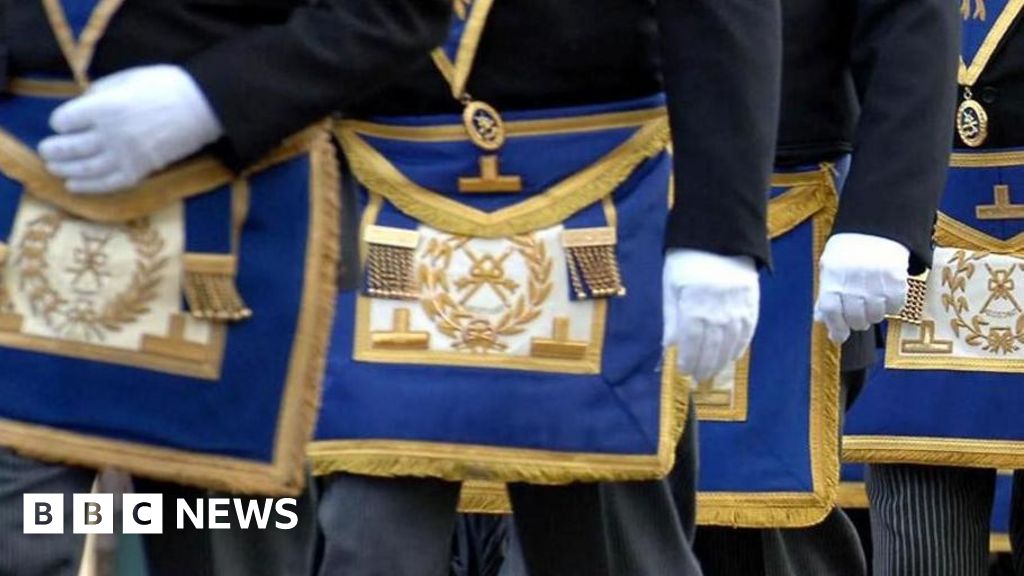
- Symbolism: Members wear symbolic aprons and progress through degrees of membership.
Key Takeaways
- Over 300 Metropolitan Police officers have declared Freemason membership following a new policy.
- Freemasonry organizations are legally challenging the policy, seeking an injunction.
- The metropolitan Police defends the policy as a means of increasing transparency and public trust.
- The court is currently considering the request for an injunction.
This situation highlights the ongoing tension between the desire for transparency in law enforcement and the rights of individuals to privacy and association. The court’s decision will likely set a precedent for similar policies in other police forces and organizations. As the legal proceedings unfold, the metropolitan Police and Masonic bodies will continue to negotiate, potentially leading to a revised policy that addresses both concerns.
