
The Looming Fiscal Doom Loop: how debt and Rising Rates Threaten Global Economies
Published: 2026/01/16 12:48:55
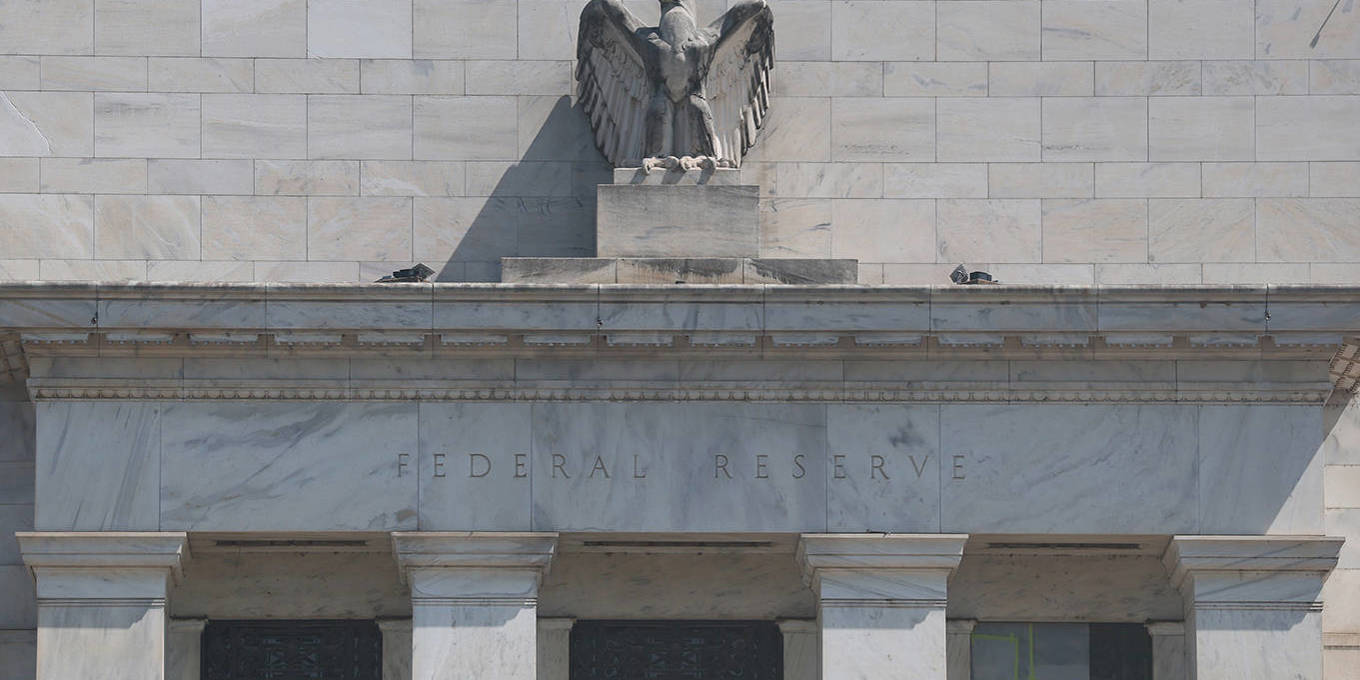
The global economic landscape is increasingly shadowed by a dangerous dynamic: a potential “doom loop” where rising interest rates fuel larger fiscal deficits, which in turn drive rates even higher as investor confidence erodes. This isn’t a hypothetical scenario; it’s a growing concern for nations like Japan and the United States, where sovereign debt has already reached or surpassed their total Gross Domestic Product (GDP). Recent developments suggest the US Federal Reserve’s bond purchases have evolved beyond simple monetary policy,becoming a crucial component of financing government spending – a situation that demands urgent recognition from central banks worldwide.
Understanding the Debt-Rate Spiral
For decades, central banks have maintained relatively low interest rates, enabling governments to accumulate ample debt without facing crippling repayment costs.However, the era of ultra-low rates is demonstrably over. As inflation proved more persistent than initially anticipated, central banks, including the Federal Reserve, began aggressively raising interest rates to regain control. This shift has critically important implications for countries burdened with high levels of debt.
When governments need to refinance existing debt at higher rates, their fiscal deficits – the difference between spending and revenue – inevitably widen. This is a straightforward mathematical result. A larger deficit means the government must borrow more, potentially increasing the overall debt burden.but the danger doesn’t stop there.
The Erosion of Investor Confidence
As deficits grow and debt levels climb, investors begin to question a country’s ability to repay it’s obligations. This perceived risk leads to demands for higher interest rates to compensate for the increased possibility of default. This creates a self-reinforcing cycle: higher rates lead to bigger deficits, which lead to even higher rates. This is the “doom loop.”
The situation is notably precarious for nations with debt-to-GDP ratios exceeding 100%.Japan, with one of the highest debt-to-GDP ratios in the world – currently exceeding 250% (IMF) – is particularly vulnerable. The United States,with a debt-to-GDP ratio hovering around 120% (US Debt Clock), is also facing increasing scrutiny. Italy,Greece,and several emerging market economies also fall into this high-risk category.
The Fed’s Role and the Blurring Lines of Fiscal Policy
The US Federal Reserve’s quantitative easing (QE) programs – large-scale purchases of government bonds – played a significant role in keeping interest rates low during the post-2008 financial crisis and the COVID-19 pandemic. While presented as a monetary policy tool to stimulate the economy, these purchases effectively monetized government debt, providing a crucial source of financing.
Now, as the Fed reverses course and begins quantitative tightening (QT) – reducing its bond holdings – the pressure on government borrowing costs is intensifying. The realization that the fed has become so intertwined with fiscal financing creates a dangerous dependency. If the Fed were to fully step away, it could trigger a sharp rise in interest rates, potentially precipitating a recession and exacerbating the debt crisis.
This situation highlights a basic shift in the relationship between monetary and fiscal policy. Traditionally, central banks operate independently, focusing on price stability and full employment. However, the scale of government debt and the Fed’s involvement in financing it have blurred these lines, creating a complex and potentially unstable dynamic.
Breaking the cycle: Strategies for Mitigation
Escaping the doom loop requires a multifaceted approach,focusing on both fiscal consolidation and structural reforms.
- Fiscal Consolidation: Governments must prioritize reducing their deficits through a combination of spending cuts and revenue increases. This is politically challenging, but essential. Targeted spending cuts,focusing on inefficient programs and non-essential expenditures,are crucial. Concurrently, exploring options for revenue enhancement, such as tax reforms that promote economic growth and broaden the tax base, is vital.
- Economic Growth: Sustained economic growth is the most effective way to reduce the debt-to-GDP ratio.Policies that promote innovation, investment, and productivity growth are essential. This includes streamlining regulations, investing in infrastructure, and fostering a competitive business environment.
- Debt Restructuring: in extreme cases, debt restructuring might potentially be necessary. This could involve extending the maturity of debt, reducing interest rates, or even partial debt forgiveness. Though, debt restructuring carries significant risks, including damage to a country’s credit rating and loss of investor confidence.
- Central bank Independence: Re-establishing clear boundaries between monetary and fiscal policy is crucial. Central banks must maintain their independence to effectively manage inflation and avoid being pressured to monetize government debt.
The Global Implications
The potential for a fiscal doom loop isn’t confined to individual countries. A major debt crisis in one or more large economies could have cascading effects on the global financial system. Increased risk aversion could lead to capital flight from emerging markets, triggering currency crises and economic instability. A global recession could further exacerbate the problem, as falling tax revenues would make it even harder for governments to manage their debt.
Key Takeaways
- High sovereign debt levels, coupled with rising interest rates, create a dangerous “doom loop” risk.
- The US Federal Reserve’s role in financing government debt has blurred the lines between monetary and fiscal policy.
- Fiscal consolidation, economic growth, and central bank independence are crucial for mitigating the risk.
- A major debt crisis could have severe global consequences.
Looking Ahead
The next few years will be critical in determining whether the world can avoid a full-blown fiscal crisis.Proactive and decisive action is needed to address the underlying imbalances and restore investor confidence. Ignoring the warning signs could lead to a prolonged period of economic instability and financial turmoil. The time for complacency is over; the stakes are simply too high.
