
Teh modern-Day Winter Horror Story: Proprietary Software and the fight for Digital Freedom
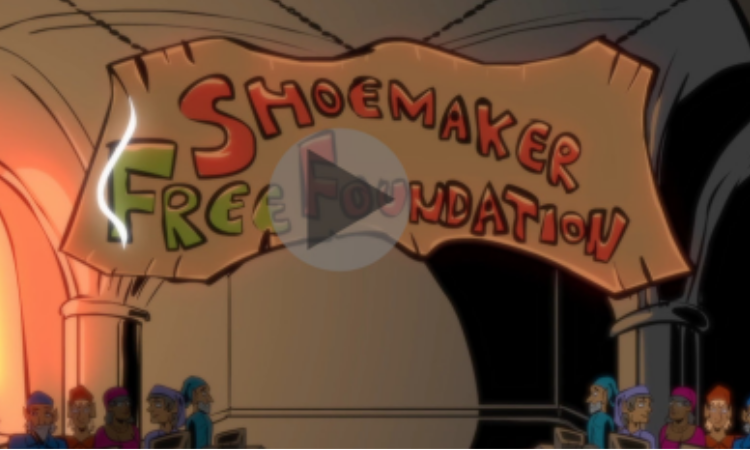
For centuries, winter has been a time for cautionary tales – stories of mythical creatures like the Yule Cat and the Wendigo, serving as warnings against misbehavior. But in the 21st century, a different kind of horror lurks, one that doesn’t disappear with the spring thaw: the restrictions imposed by proprietary software. the Free Software Foundation (FSF) illustrates this chilling reality with the animated short, ShoeTool, a modern fable that resonates with millions of users worldwide.
The Tale of Wendell the Elf and the Limits of Ownership
The story centers around Wendell, an elf who purchases a shoe-making machine, hoping to craft footwear to his heart’s content. However, he quickly discovers a cruel twist: the machine’s proprietor dictates precisely what kinds of shoes Wendell is allowed to create. This seemingly simple scenario is a powerful metaphor for the limitations imposed by proprietary software licenses. You *buy* the software, but you don’t truly *own* it.
This isn’t a fantastical problem confined to elven workshops. Consider the experiences of everyday consumers. Apple, as highlighted by Defective by Design, tightly controls which applications can be installed on its iPhones, iPads, and Apple Watches. Similarly, Amazon’s Kindle ecosystem, as Defective by Design also points out, restricts users to purchasing ebooks through Amazon’s store, effectively locking them into a single vendor. These restrictions aren’t merely inconveniences; thay stifle creativity, limit user choice, and ultimately, diminish control over the technology we rely on.
What is Free Software and Why Does it Matter?
The FSF champions a different approach: free software. It’s crucial to understand that “free” in this context doesn’t necessarily mean “no cost.” Instead, it refers to freedom – the freedom to run the software for any purpose, to study how it works, to modify it to suit your needs, and to distribute copies to others. These four essential freedoms,as defined by the FSF,are the cornerstone of digital autonomy.
The Four Freedoms of Free Software:
- The freedom to run the program as you wish, for any purpose.
- The freedom to study how the program works, and change it so it does your computing as you wish. Access to the source code is a precondition for this.
- The freedom to redistribute copies so you can help others.
- The freedom to distribute copies of your modified versions to others. By doing so, you can give the whole community a benefit from your changes.
When software is proprietary,these freedoms are denied. Users are reduced to passive consumers, subject to the whims of the software vendor. This lack of control can have far-reaching consequences, impacting everything from privacy and security to innovation and economic chance.
The ‘ShoeTool’ Campaign and Spreading Awareness
The FSF’s ShoeTool video is a powerful tool for illustrating these concepts. Available with subtitles in over 20 languages – including Arabic, Basque, Dutch, and Ukrainian – it’s designed to be shared widely.The FSF encourages individuals to use the #ShoeTool hashtag on social media, along with provided images (downloadable here), to amplify the message. The source files are also available for adaptation and remixing (download link), fostering a collaborative spirit of digital liberation.
Supporting the Free Software Movement
The FSF relies on community support to continue its work advocating for software freedom. Currently, the institution is conducting its year-end fundraiser, aiming to reach a goal of $400,000 (donate here). Contributions directly fund the FSF’s legal, technical, and educational initiatives, empowering individuals and communities to take control of their digital lives.
Beyond the Donation: Contributing to the Conversation
the FSF also encourages individuals to share their own “free software fairy tales” – stories illustrating the frustrations of proprietary software and the benefits of freedom. Submissions can be emailed to campaigns@fsf.org or shared on social media using the hashtag #FreeSoftwareTales.
Looking Ahead: A Future of digital Freedom
The fight for software freedom is an ongoing one. As technology becomes increasingly integrated into every aspect of our lives, the need for control, clarity, and user empowerment becomes ever more critical. By supporting organizations like the FSF, advocating for open standards, and choosing free software alternatives whenever possible, we can build a digital future where innovation flourishes and individual liberties are protected. the tale of Wendell the Elf serves as a potent reminder: the horrors of proprietary software are real, but they are not certain. We have the power to choose a different path – a path towards a more free and equitable digital world.
