
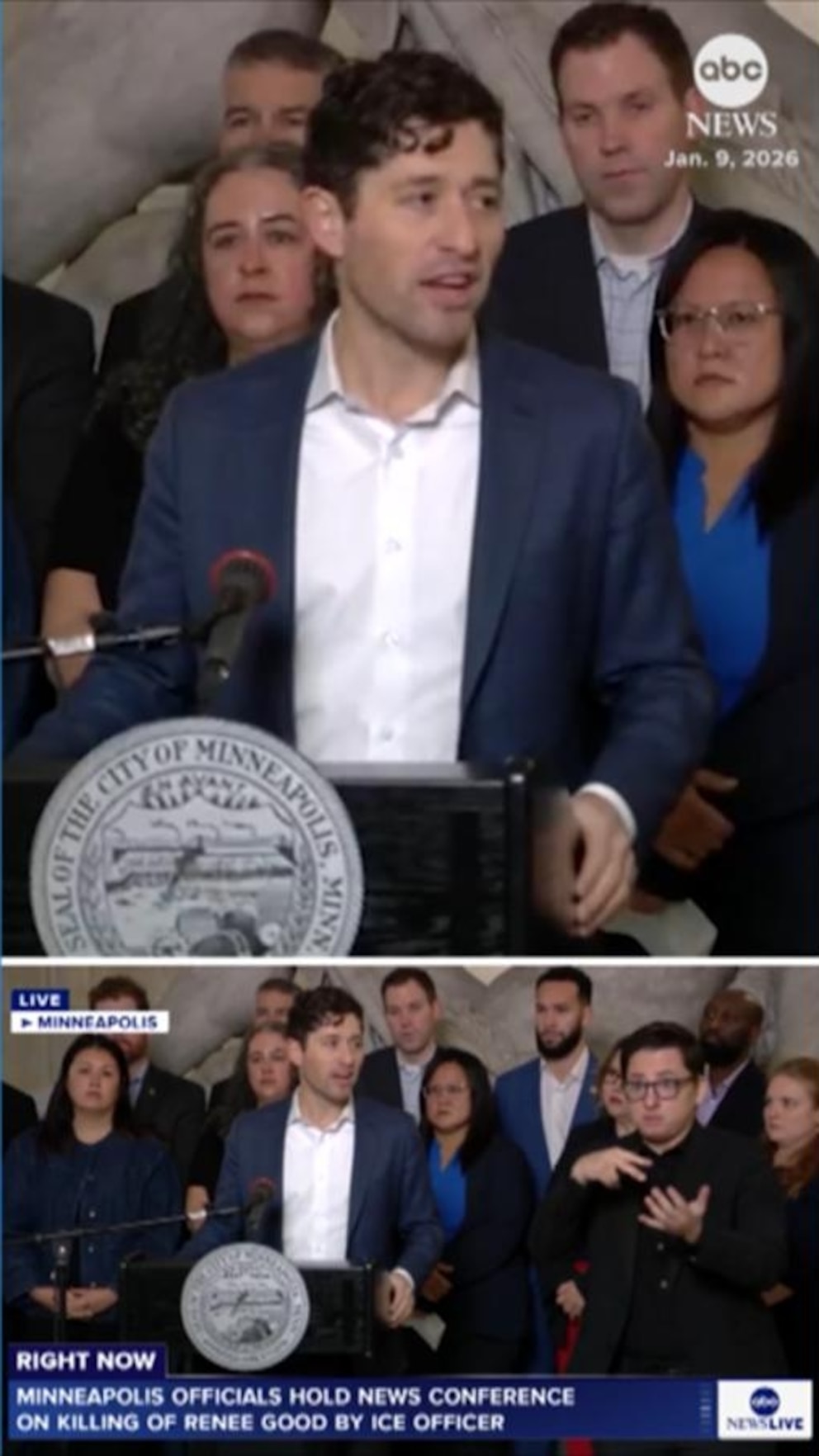
Minneapolis Mayor Frey: ICE Actions Undermine City Safety
Minneapolis Mayor Jacob Frey publicly stated on Friday that actions taken by U.S. Immigration and Customs Enforcement (ICE) are actively diminishing safety within the city. This assertion comes amidst increasing national debate surrounding ICE’s role in local communities and the impact of immigration enforcement policies. Frey’s comments highlight a growing tension between local authorities striving to maintain safe cities and federal immigration enforcement efforts.
The Core of the Conflict: Trust and Reporting
Mayor Frey’s central argument revolves around the chilling effect ICE’s presence has on immigrant communities. When residents fear deportation, they are less likely to report crimes to the police, cooperate with investigations, or even seek help as victims of abuse. This breakdown in trust directly undermines public safety, as criminals can operate with greater impunity within these communities.
“We are a safe city because people trust thier police department,” Frey explained in a press conference. “When ICE is overzealous and creates an environment of fear, that trust erodes, and it makes our job infinitely harder.”
ICE’s Activities in Minneapolis: A Recent History
Recent ICE activity in minneapolis has focused on targeted enforcement operations, primarily aimed at individuals with prior criminal convictions or those who pose a national security threat, according to ICE officials.However, community advocates argue that these operations often cast a wider net, leading to the detention of individuals with no serious criminal history and creating widespread fear. ICE Newsroom provides official statements regarding enforcement actions.
In February 2024, ICE conducted a series of raids in Minneapolis neighborhoods with significant immigrant populations, resulting in the detention of over 30 individuals. These actions sparked protests and condemnation from local leaders and community organizations. Star Tribune coverage of the raids details the community response.
The Legal Framework: Sanctuary City Policies and Federal Authority
Minneapolis has historically adopted policies aimed at limiting cooperation with ICE, often described as “sanctuary city” policies. These policies typically restrict local law enforcement from assisting ICE in immigration enforcement activities, such as providing data about an individual’s immigration status or detaining individuals solely on ICE detainers.
however, the legal landscape surrounding sanctuary cities is complex and constantly evolving. The federal government has repeatedly challenged these policies, arguing that they obstruct federal law enforcement efforts and endanger public safety.The Department of Justice has even taken legal action against some cities with sanctuary policies, seeking to withhold federal funding. Department of Justice on Sanctuary Cities outlines the federal government’s position.
Impact on Community Policing
Community policing relies heavily on building relationships and trust between law enforcement and the communities they serve. When ICE’s presence creates fear and distrust, it disrupts these relationships, making it more difficult for police to gather information, solve crimes, and maintain order.
Local police officers often find themselves caught in a difficult position, balancing their commitment to serving all members of the community with the potential for inadvertently assisting ICE in immigration enforcement.This can lead to hesitancy and reluctance to engage with immigrant communities, further exacerbating the problem.
Beyond Minneapolis: A National Trend
The conflict between local authorities and ICE is not unique to Minneapolis. Cities across the country with significant immigrant populations are grappling with similar challenges. Mayors and police chiefs in cities like New York, Chicago, and Los Angeles have also voiced concerns about the impact of ICE’s actions on public safety.
This national trend reflects a broader debate about the role of immigration enforcement in American society and the balance between national security and local control. It also highlights the importance of addressing the root causes of immigration and creating pathways to legal status for undocumented immigrants.
Key takeaways
- ICE actions can erode trust between law enforcement and immigrant communities.
- Reduced trust leads to decreased reporting of crimes and hinders public safety.
- Minneapolis,like many cities,has policies limiting cooperation with ICE.
- The legal battle over sanctuary city policies continues.
- The situation highlights a national debate about immigration enforcement and public safety.
Looking Ahead
The tension between Minneapolis and ICE is likely to persist as long as federal immigration enforcement policies remain a source of fear and distrust within immigrant communities. Finding a solution will require open dialog, collaboration, and a commitment to prioritizing public safety while respecting the rights of all residents. Future discussions must focus on clarifying the roles and responsibilities of federal, state, and local authorities in immigration enforcement, and on developing policies that promote trust and cooperation between law enforcement and the communities they serve. The long-term safety and well-being of Minneapolis, and cities like it, depend on it.
