
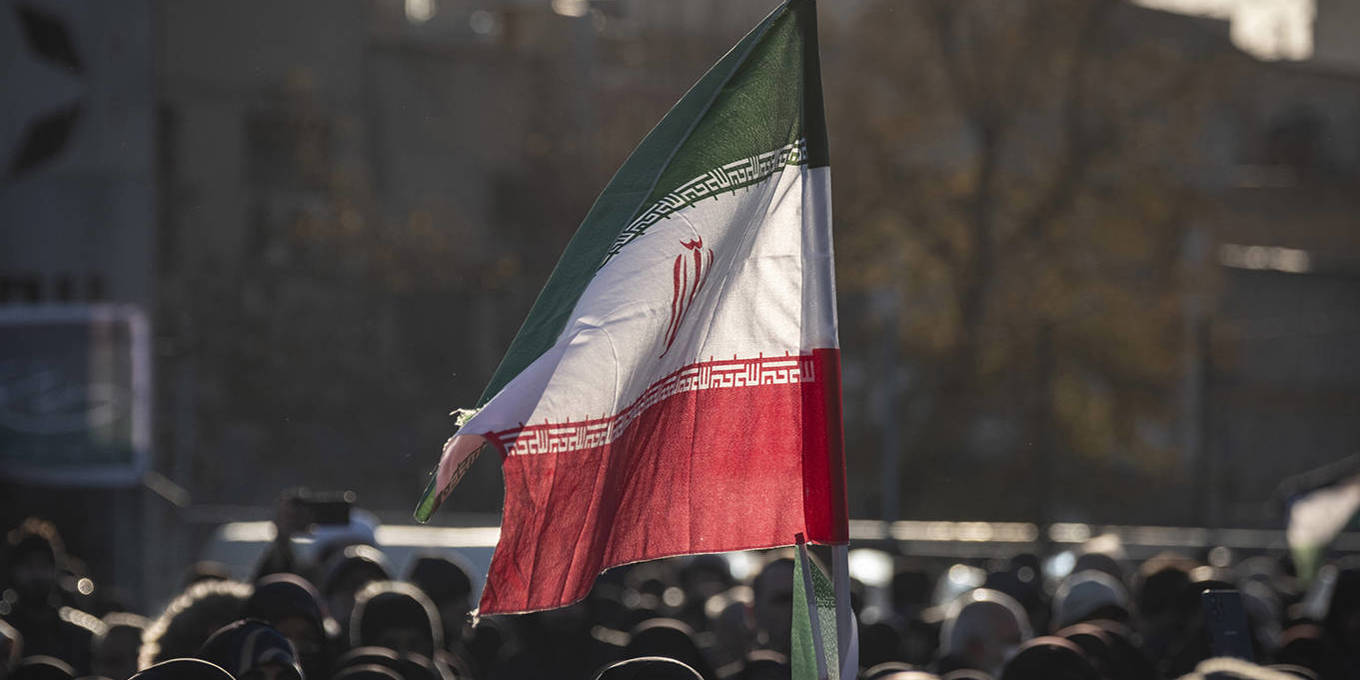
Iran Grapples with Protests Amidst Economic Crisis adn Shifting Political Landscape
WASHINGTON, DC – 2026/01/10 14:56:10 – Iran is facing a new wave of widespread protests fueled by a collapsing currency, soaring inflation, and growing discontent with the Islamic Republic. Unlike previous uprisings, the current government response, led by President Masoud Pezeshkian, has been initially characterized by economic reforms and subsidies aimed at mitigating the immediate financial pressures on the population, a strategy that reflects a delicate balancing act between maintaining stability and avoiding escalating unrest.
A New Approach too Unrest: Economic Relief Over Suppression
For decades, the Iranian government has historically responded to meaningful protests with forceful suppression, as seen during the 2009 Green Movement and the 2022 “Woman, Life, Freedom” uprising. Tho, the current situation presents a unique challenge.president Pezeshkian’s administration has, at least initially, opted for a different tack: belt-tightening measures intended to free up financial resources for direct subsidies to the most vulnerable citizens. This shift suggests a calculated effort to address the root cause of the protests – economic hardship – rather than solely relying on security forces.
This approach also appears to be influenced by the recent geopolitical context. Following a 12-day war with Israel and the United States last year, the Iranian regime cautiously forged a fragile entente with its population. A harsh crackdown on protests risks unraveling this hard-won trust and potentially reigniting broader instability. However, allowing the protests to gain momentum introduces the risk of foreign intervention, a prospect Iranian leaders are keen to avoid.
The Economic Roots of Discontent
The current protests are deeply rooted in Iran’s worsening economic crisis. The Iranian Rial has plummeted in value, driving up the cost of essential goods and services. Inflation is rampant, eroding the purchasing power of ordinary Iranians and exacerbating existing social inequalities. Several factors contribute to this economic turmoil:
- International Sanctions: Prolonged international sanctions, particularly from the United States, have crippled Iran’s oil exports, a crucial source of revenue.
- Mismanagement and Corruption: Allegations of widespread mismanagement and corruption within the Iranian government have further undermined the economy.
- Regional Conflicts: Iran’s involvement in regional conflicts, such as conflicts in Syria and Yemen, has strained its financial resources. [[3]]
- Nuclear Program Concerns: Concerns surrounding Iran’s nuclear program continue to hinder foreign investment and economic cooperation.[[2]]
Geopolitical Implications and Regional Tensions
The situation in Iran has significant implications for regional stability. The ongoing protests, combined with Iran’s economic vulnerabilities, could embolden rival nations and potentially lead to increased geopolitical tensions. the United States, in particular, is closely monitoring the situation, as evidenced by the deployment of B-2 stealth bombers to Diego Garcia, signaling a clear message to Iran regarding its nuclear ambitions. [[2]]
Furthermore, the protests have the potential to impact Iran’s relationships with its regional allies, such as Hezbollah and the Houthis. The recent U.S. actions against Houthi militants in Yemen, framed as a warning to Iran, demonstrate the United States’ commitment to safeguarding regional stability and freedom of navigation. [[3]]
Iran’s Underground Military Infrastructure
Amidst the domestic unrest and international pressures, Iran continues to develop and maintain its military capabilities. Recent reports have revealed the existence of a vast “city of missiles” – a complex underground facility housing a significant arsenal of elegant weaponry. [[1]] This progress underscores Iran’s determination to project power and deter potential adversaries, even as it faces significant internal challenges.
The strategic Importance of Underground Facilities
Underground facilities offer several strategic advantages. They provide protection from aerial attacks, safeguard sensitive military assets, and enhance the survivability of Iran’s missile arsenal. The finding of this “city of missiles” raises concerns about Iran’s long-term military intentions and its commitment to regional stability.
Looking Ahead: A Precarious Balance
The current situation in Iran is highly precarious. President Pezeshkian’s government faces a delicate balancing act between addressing the legitimate grievances of its citizens and maintaining control. Whether the initial strategy of economic relief will be sufficient to quell the protests remains to be seen. the risk of further escalation,both domestically and internationally,is significant. The coming weeks and months will be critical in determining the future of Iran and its role in the region.
Key Takeaways
- Iran is experiencing widespread protests driven by economic hardship and political discontent.
- The government’s response has initially focused on economic reforms and subsidies, a departure from previous suppressive tactics.
- Geopolitical tensions are heightened, with the United States closely monitoring the situation and demonstrating its military resolve.
- Iran continues to develop its military capabilities, including the construction of vast underground facilities.
- The future of Iran remains uncertain, with the potential for further escalation and instability.
