
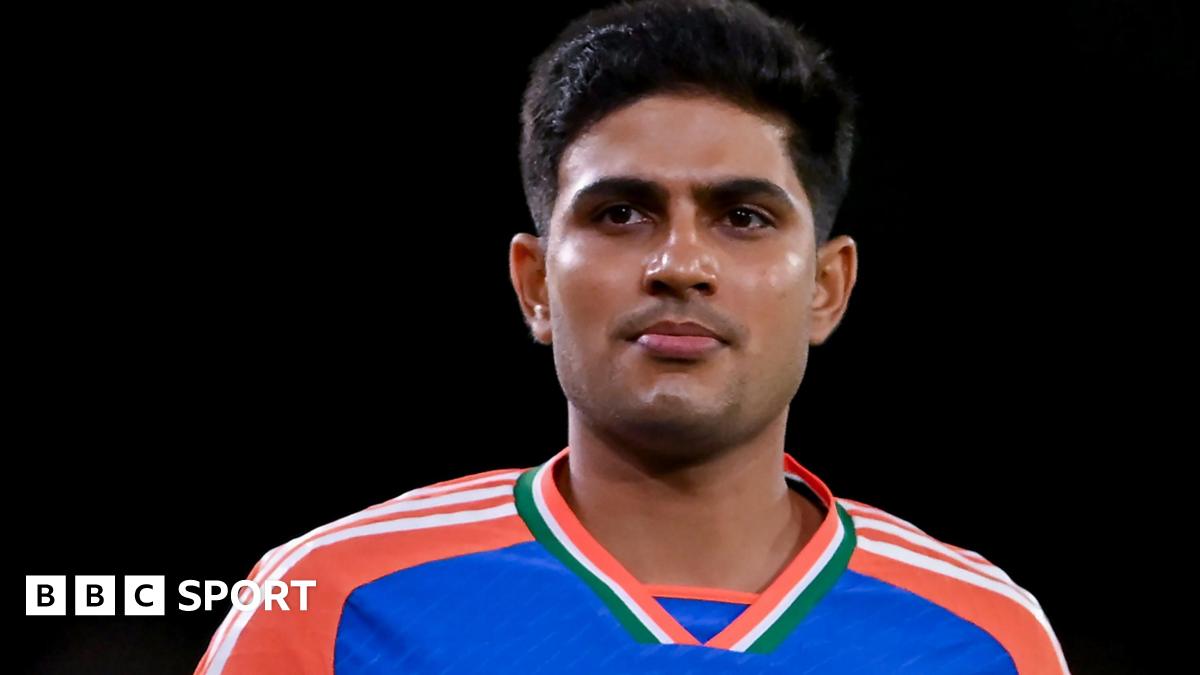
India’s cricket establishment is now at the center of a structural shift involving talent management and national soft‑power projection. The immediate implication is a recalibration of domestic expectations and commercial positioning ahead of the home‑hosted T20 World Cup.
The strategic Context
Cricket has long functioned as a conduit for India’s cultural influence, linking domestic cohesion with international branding. The nation’s recent ascendancy-defending champion status, a lucrative broadcasting ecosystem, and a multi‑billion‑dollar sponsorship market-has entrenched the sport in broader economic and diplomatic narratives.Hosting the upcoming World Cup amplifies these dynamics, turning squad composition into a signal of institutional confidence and a lever for sustaining fan engagement.
Core Analysis: Incentives & constraints
Source Signals: The selection panel omitted Shubman Gill,a 26‑year‑old who has accumulated 291 runs in 15 T20 matches this year,citing a temporary dip in form. Gill missed the recent T20 win over South Africa. Captain Suryakumar Yadav, despite a modest 5‑run contribution in that match, retained the captaincy, with selectors expressing full faith in his leadership.
WTN Interpretation: The decision reflects a dual incentive structure. First, the selectors aim to preserve a performance‑centric narrative that aligns with the high‑stakes surroundings of a home World Cup, signaling that merit overrides seniority. Second, retaining Yadav stabilizes the leadership brand that has been marketed domestically and internationally, protecting sponsorship continuity. Constraints include limited elite talent depth, public scrutiny amplified by social media, and the commercial imperative to field a side that maximizes viewership and merchandise sales. The omission also mitigates risk of perceived favoritism, preserving the selector’s institutional legitimacy.
WTN Strategic Insight
“When a nation’s premier sport is a soft‑power engine, squad tweaks become a litmus test for how institutions balance performance credibility with broader cultural capital.”
Future Outlook: Scenario Paths & Key Indicators
Baseline Path: If the team’s early World Cup performances validate the selection rationale, public sentiment remains positive, sponsorship contracts are renewed on favorable terms, and the cricket board consolidates its merit‑based selection framework for future cycles.
Risk Path: If early matches expose depth deficiencies or if Gill’s exclusion triggers sustained fan backlash, commercial partners may renegotiate terms, and internal pressure could force a mid‑tournament selection review, potentially destabilizing the leadership structure.
- Indicator 1: Fan sentiment metrics from social‑media sentiment analysis during the first two World cup matches.
- Indicator 2: Sponsorship activation reports and merchandise sales trends released by the board after the tournament’s opening week.
