
.
Google Translate is now at the centre of a structural shift involving AI‑driven multilingual communication services. the immediate implication is a recalibration of digital soft‑power dynamics and competitive positioning in the global language‑technology market.
The Strategic Context
Since the mid‑2010s, large‑scale AI models have become a cornerstone of the tech sector’s growth, with firms leveraging massive data sets to create language‑understanding capabilities that underpin everything from search to virtual assistants. The emergence of generative AI, epitomized by Google’s Gemini family, accelerates this trend, turning translation from a peripheral utility into a core engagement layer for consumers, enterprises, and governments. Simultaneously, the geopolitical landscape features heightened competition over AI leadership, regulatory scrutiny of data privacy, and strategic interest in language tools that can shape information flows across borders.
Core Analysis: Incentives & Constraints
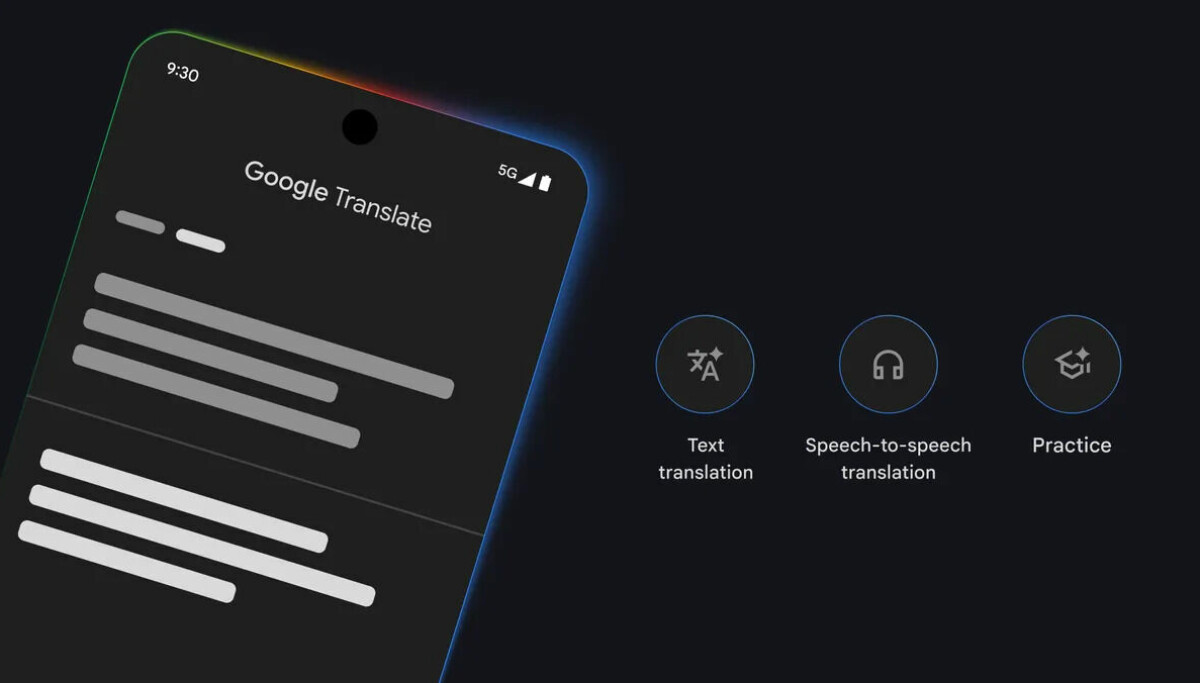
Source Signals: The update adds three elements: (1) new Gemini models that improve idiom, slang, and expression handling; (2) a beta live speech‑to‑speech feature with headphone modes (Listening, Conversation, Silent); (3) expanded language‑training functions with enhanced feedback and streak tracking. The beta is limited to Android users in the United States, India, and Mexico, with iOS and broader rollout slated for 2026. Norwegian is mentioned as a forthcoming language.
WTN Interpretation: Google’s rollout reflects a dual incentive structure. Frist, the firm seeks to lock in user engagement by embedding language practice into daily habits (streak mechanics), thereby increasing data capture and reinforcing its AI training pipeline. Second, the live translation capability positions Google as a de‑facto provider of real‑time multilingual interaction, a strategic asset for both consumer travel markets and enterprise collaboration tools. Constraints include the need to navigate privacy regulations (e.g., EU GDPR, US state‑level data laws) that could limit continuous audio capture, and the technical challenge of delivering low‑latency, high‑accuracy speech translation across diverse acoustic environments. The limited geographic beta mitigates risk while allowing Google to gather performance data before a broader launch.
WTN Strategic Insight
“Embedding AI‑powered language practice into everyday habit loops transforms translation from a transactional tool into a strategic data moat, amplifying Google’s influence over global information flows.”
Future Outlook: Scenario Paths & Key Indicators
Baseline Path: If privacy‑regulatory frameworks remain stable and Google’s beta performance meets latency and accuracy benchmarks, the company will expand the live speech‑to‑speech feature to iOS and additional markets in 2026. Adoption will grow among multinational enterprises and travel‑oriented consumers, reinforcing Google’s dominance in the language‑AI segment and generating incremental advertising and cloud‑service revenue.
Risk Path: If heightened data‑privacy legislation (e.g., stricter consent requirements for continuous audio capture) or a high‑profile security incident curtails real‑time audio processing, Google may be forced to scale back or delay the live translation rollout. Competitors such as Microsoft or emerging Chinese AI firms could capture market share by offering comparable services under more permissive regulatory regimes, eroding Google’s first‑mover advantage.
- Indicator 1: Publication of any new national or regional data‑privacy regulations affecting real‑time audio processing (e.g.,EU Digital Services act updates,US state privacy bills) within the next 3‑6 months.
- Indicator 2: User‑engagement metrics from the Android beta (daily active users, average session length, streak adoption rates) released in quarterly Google earnings or developer reports.
- Indicator 3: announcements from major competitors regarding comparable live translation capabilities or strategic partnerships in the same geographic beta regions.
