
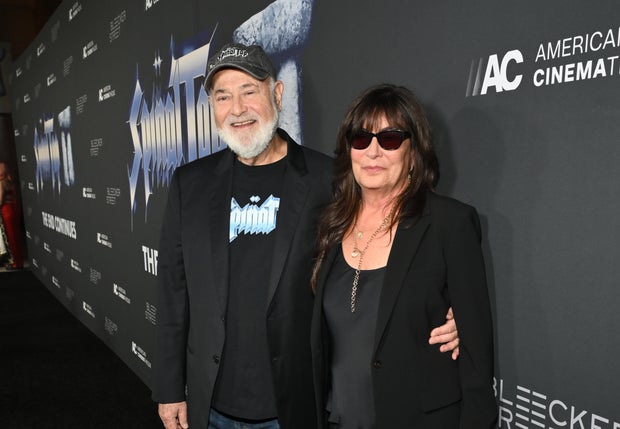
Rob Reiner (and his wife Michele) is now at the center of a structural shift involving the intersection of cultural influence, political activism, and personal security. The immediate implication is a heightened focus on the vulnerability of high‑profile public‑figure activists and the potential recalibration of law‑enforcement and industry responses.
The Strategic Context
Rob Reiner’s six‑decade career has placed him at the nexus of American entertainment and progressive political advocacy. his body of work-spanning iconic sitcoms, landmark films, and outspoken activism-has made him a symbolic conduit for liberal cultural narratives. Over the past decade, the United States has experienced accelerating political polarization, with media personalities increasingly targeted for thier viewpoints. Simultaneously, law‑enforcement agencies face growing pressure too protect high‑visibility individuals while balancing civil‑rights concerns. This backdrop creates a structural environment where the death of a cultural figure can reverberate beyond the personal tragedy, influencing policy debates on security, free expression, and the role of the entertainment sector in public discourse.
Core Analysis: Incentives & Constraints
source Signals: The Los Angeles Police Department’s Robbery Homicide Division responded to a homicide scene at the reiners’ Brentwood home. Police have not identified a suspect and have refrained from labeling anyone as a person of interest pending examination. The incident has prompted statements of condolence from political leaders, former presidents, and industry representatives, underscoring the Reiners’ prominence.
WTN Interpretation:
- Law‑enforcement Incentives: LAPD seeks to maintain public confidence while avoiding premature speculation that could inflame media cycles or compromise investigative integrity. Their restraint reflects a broader institutional constraint: the need to balance transparency with operational security.
- Political Actors’ Incentives: Figures such as the governor, mayor, and former president issue condolences to signal solidarity with the cultural community and to distance themselves from any implication of political motive. Their statements also serve to reassure constituents that the incident is being handled professionally,mitigating potential backlash.
- Industry Incentives: Hollywood guilds and peers emphasize Reiner’s cultural contributions, reinforcing the sector’s identity as a platform for social advocacy. This reinforces the industry’s leverage in lobbying for protective measures (e.g., enhanced security protocols) while navigating constraints from civil‑liberties watchdogs wary of over‑securitization.
- Structural Constraints: The broader climate of political extremism and online harassment creates a risk environment for outspoken public figures. Simultaneously, constitutional protections limit the scope of pre‑emptive security actions, compelling agencies to act reactively.
WTN strategic Insight
“When a cultural icon who doubles as a political advocate is targeted, the incident becomes a proxy battle in the wider contest between polarized social forces and the state’s capacity to protect symbolic leaders.”
Future Outlook: Scenario Paths & Key Indicators
Baseline Path: The investigation proceeds without a public claim of obligation. Police identify a non‑political motive (e.g.,personal dispute or random violence). Law‑enforcement maintains standard protocols; industry continues its advocacy without major policy shifts. The event remains a tragic but isolated incident.
Risk Path: Evidence emerges linking the homicide to an extremist or politically motivated actor. This triggers heightened security measures for high‑profile activists, potential legislative proposals on celebrity protection, and a possible chilling effect on public political engagement by entertainment figures. Industry groups may lobby for increased funding for personal security and for clearer legal frameworks governing threats against public figures.
- Indicator 1: Official LAPD updates or press releases indicating a suspect, motive, or any claim of responsibility within the next 4‑6 weeks.
- Indicator 2: Introduction of bills or policy proposals in California’s state legislature concerning security provisions for public figures or hate‑crime enhancements, tracked through the upcoming legislative session.
