
Ethiopia is now at the centre of a structural shift involving infectious‑disease risk management. The immediate implication is a heightened focus on health‑security coordination that could reshape regional aid flows and internal governance priorities.
The Strategic Context
Ethiopia’s first confirmed marburg virus disease (MVD) outbreak emerged in late November 2025,a period when the Horn of Africa faces chronic under‑investment in health infrastructure,recurrent humanitarian crises,and competing security challenges. The region’s broader structural dynamics include limited domestic capacity for high‑containment care, reliance on external technical assistance (e.g., CDC, WHO), and a growing recognition among African union bodies that epidemic threats can destabilize economies and cross‑border security. These forces converge to push Ethiopia toward more visible, data‑driven public‑health reporting and accelerated adoption of experimental therapeutics, reflecting a regional trend of integrating health resilience into national security agendas.
Core Analysis: Incentives & Constraints
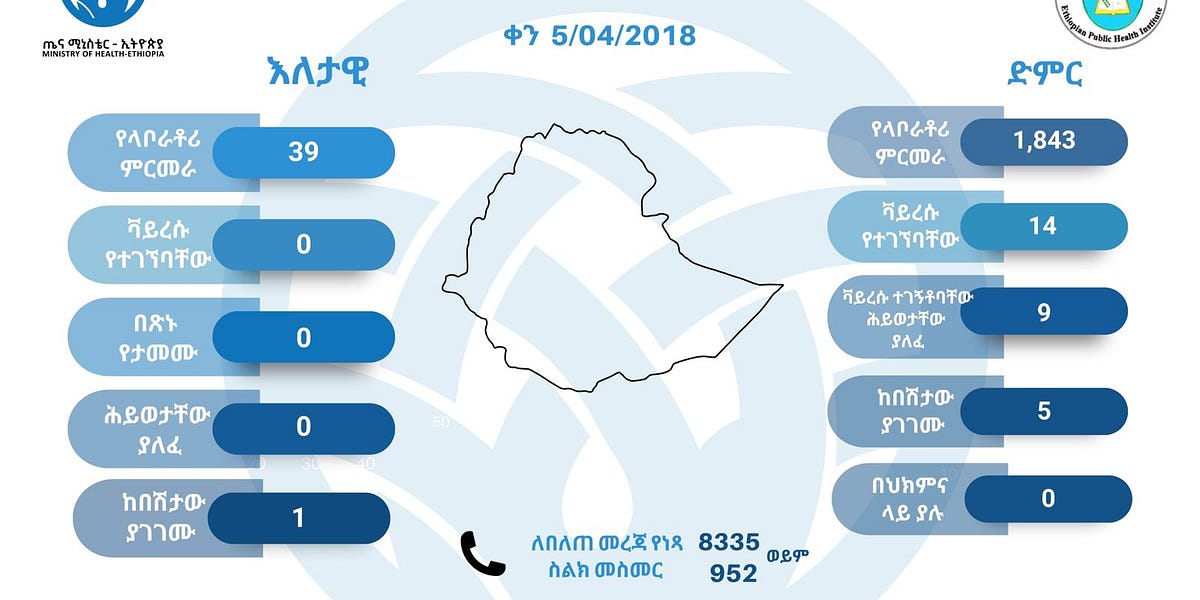
Source Signals: The Ministry of Health reports no new cases or deaths, one additional recovery, a total of 14 confirmed cases, 9 deaths, and 5 recoveries from 1,843 investigations. Cases are concentrated in the Oromia region, with no critically ill patients remaining.Contact tracing continues for over 300 individuals. The response includes daily public reporting, monoclonal antibody trials launched on December 8, and support from CDC and WHO focused on early detection and isolation.
WTN Interpretation: Ethiopia’s incentive to publicize daily updates is twofold: domestically, transparent reporting builds public trust and mitigates panic; internationally, it signals competence to donors, preserving aid streams and encouraging further technical support. The launch of monoclonal antibody trials reflects a strategic leverage point-access to cutting‑edge therapeutics can offset the country’s limited treatment capacity and serve as a diplomatic asset in negotiations with partners. Constraints remain pronounced: a fragile health system, limited intensive‑care beds, and logistical challenges in remote areas hinder rapid isolation and comprehensive contact tracing. Dependence on external agencies also creates a coordination bottleneck, as alignment of protocols and resource allocation can be delayed by bureaucratic processes.
WTN Strategic insight
“Ethiopia’s handling of the Marburg episode is a litmus test for how low‑income states can convert health emergencies into leverage for broader security and development partnerships.”
Future Outlook: Scenario Paths & Key Indicators
Baseline Path: If current containment measures-daily reporting, active contact tracing, and the monoclonal antibody trial-remain effective, the outbreak will likely plateau with no new cases, allowing Ethiopia to transition from emergency response to post‑outbreak recovery.International partners will continue to provide technical assistance, and the health ministry may use the experience to strengthen surveillance systems for other zoonoses.
risk Path: If contact tracing gaps widen, or if a secondary spill event occurs in a mining or cave‑related community, case numbers could rise, overwhelming limited treatment facilities. A resurgence would trigger heightened travel advisories, potential suspension of cross‑border trade, and a scramble for additional foreign aid, exposing Ethiopia’s fiscal vulnerabilities.
- Indicator 1: Weekly trend in new suspected cases from the Ministry of Health’s surveillance reports (next 4‑8 weeks).
- Indicator 2: Status of the monoclonal antibody trial-interim safety and efficacy data releases (expected within 2‑3 months).
