
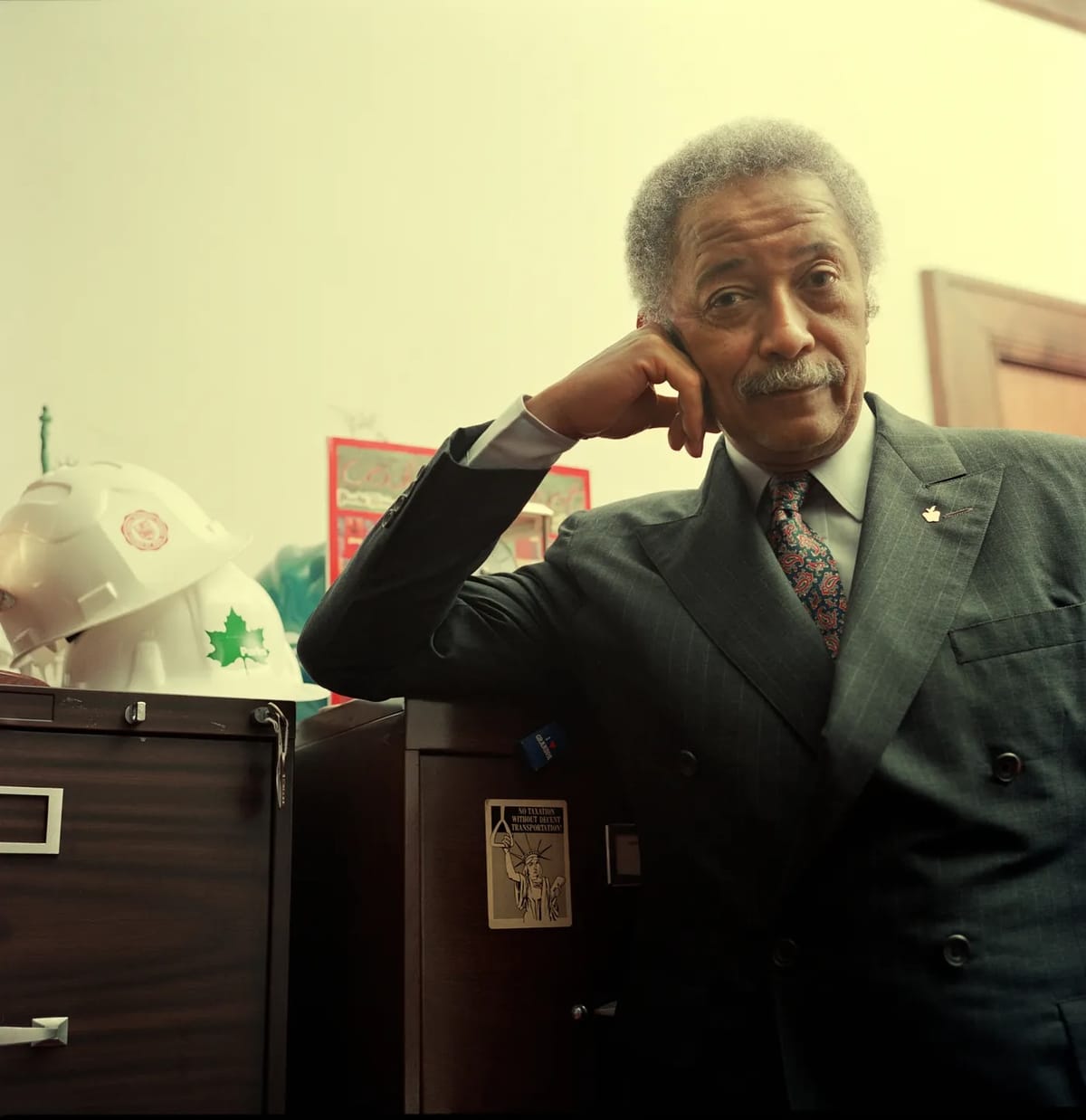
David Dinkins’ mayoral legacy is now at the center of a structural shift involving urban racial coalition dynamics. The immediate implication is a recalibration of how political elites, community networks, and demographic change shape municipal governance strategies.
the Strategic Context
New York City’s political landscape in the late‑20th century was defined by entrenched ethnic patronage systems, a rising crime wave linked to the crack epidemic, and escalating racial tensions amplified by high‑profile incidents. The emergence of a black mayor in 1989 marked the culmination of decades of organized Black political mobilization led by a cadre of Harlem power brokers (“the gang of four”). This breakthrough intersected with broader national trends: increasing minority portrayal in urban centers, the waning of machine politics, and the onset of neoliberal urban redevelopment that prioritized public safety and economic revitalization.
Core Analysis: Incentives & Constraints
Source Signals: The source confirms that Dinkins was elected with a platform of racial unity, that his administration expanded police presence, tackled the AIDS crisis, and pursued urban renewal projects such as Times Square cleanup and sports facility upgrades. it also notes persistent ethnic “turf battles,” exemplified by the 1991 Crown Heights unrest, and that media narratives framed Dinkins as ineffective, contributing to his 1993 electoral defeat.
WTN Interpretation: Dinkins’ ascent leveraged the strategic convergence of Black electoral solidarity and white liberal desire for stability after high‑profile racial incidents. His policy agenda reflected a dual imperative: address public safety pressures (responding to a 2,200 homicide count in 1990) while signaling inclusive governance to mitigate racial polarization. Constraints included the legacy of patronage expectations from the “gang of four,” limited fiscal versatility in a city facing budget deficits, and the entrenched media framing that amplified any perceived hesitation during crises. The Crown Heights episode exposed the fragility of cross‑ethnic coalitions, illustrating how localized flashpoints can undermine broader unity narratives. Moreover, the rise of a more confrontational opponent (Giuliani) capitalized on these vulnerabilities, reshaping voter calculus toward law‑and‑order rhetoric.
WTN Strategic Insight
“Urban racial coalitions are most durable when policy outcomes simultaneously address security imperatives and symbolic inclusion; failure to balance the two creates exploitable fault lines for political challengers.”
Future Outlook: scenario Paths & Key Indicators
Baseline path: If New York’s municipal leadership continues to integrate community‑based outreach with measurable public‑safety improvements, the city will experience incremental strengthening of cross‑ethnic political alliances. This trajectory supports stable governance, attracts private investment in revitalized neighborhoods, and reduces the potency of identity‑driven electoral swings.
Risk Path: If fiscal pressures intensify, or if a high‑visibility incident reignites ethnic tensions without an effective response, the city could see a resurgence of identity‑based campaigning. This would elevate candidates emphasizing law‑and‑order or single‑group advocacy, potentially fragmenting the existing coalition and destabilizing policy continuity.
- Indicator 1: Crime statistics and homicide rates released by the NYPD in the next quarterly report – a sustained decline would reinforce the “safe streets” narrative; a spike could trigger political backlash.
- Indicator 2: Attendance and outcomes of city council hearings on community‑police relations scheduled for the upcoming municipal budget cycle – strong bipartisan support would signal coalition health, whereas contentious debate could foreshadow electoral volatility.
