
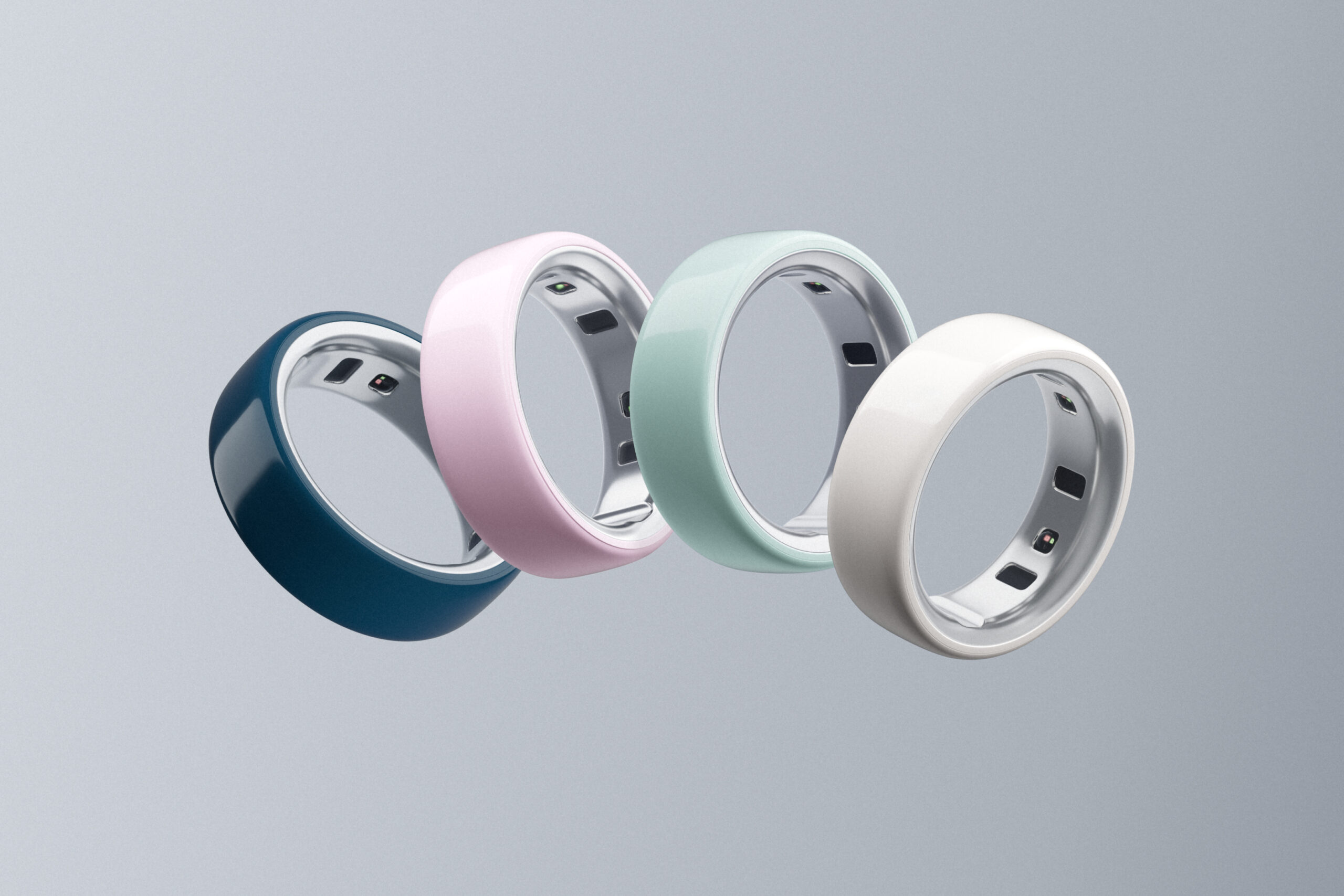
Oura is now at the center of a structural shift involving the convergence of health‑tech and fashion. The immediate implication is a new competitive frontier where wellness devices must also serve as status symbols, reshaping retail and health‑data ecosystems.
The Strategic Context
For over a decade, wearable health devices have been dominated by functional, metal‑based designs that blend into daily life. A parallel structural trend-the rise of “lifestyle‑first” consumption among Gen Z and millennials-has driven brands to fuse utility with personal expression. Simultaneously, health‑care financing mechanisms (FSA/HSA) and the proliferation of at‑home diagnostics have lowered barriers to adopting biometric monitoring. within this environment, Oura’s decision to launch a ceramic, color‑rich smart ring aligns with two intersecting forces: the premium‑fashionization of tech and the democratization of preventive health data.
Core Analysis: Incentives & Constraints
Source Signals: The interview confirms that oura’s CMO cites consumer‑driven product upgrades (scratch‑proof zirconia, four colorways), a global, multi‑channel campaign targeting Gen Z/millennials, retail partnerships with Amazon, Target, Best Buy, John Lewis, MediaMarkt, and a health‑panel integration with Quest Diagnostics. Sales have exceeded 2.5 million units since June 2024, driven by repositioning, expanded distribution, FSA/HSA eligibility, and a focus on women’s health.
WTN Interpretation: The move reflects three structural levers. First, the “experience economy” pushes brands to embed products in identity formation; fashion‑forward design satisfies the desire for visible status cues, especially among younger cohorts who value authenticity and shareability. Second, the health‑data ecosystem is consolidating-companies that bundle diagnostics (CGM, blood panels) with a consumer‑friendly interface gain network effects and lock‑in. Third, the fiscal incentive of FSA/HSA eligibility creates a price‑elastic demand segment that traditional smartwatch makers cannot tap. Constraints include the need for high‑volume ceramic manufacturing, dependence on retail shelf space, and regulatory oversight of health‑data integration, which could tighten if privacy concerns rise.
WTN Strategic Insight
“When health data becomes a fashion statement, the line between medical device and personal accessory blurs, turning consumer loyalty into a data‑driven moat.”
Future Outlook: Scenario Paths & Key Indicators
Baseline Path: If Oura’s multi‑channel rollout and health‑panel integration continue unimpeded, the brand will deepen its share of the premium wearables market, attract additional retail partners, and spur competitors to launch color‑rich, health‑linked accessories.The FSA/HSA advantage will lock in a steady stream of tax‑advantaged purchases, reinforcing revenue growth and encouraging further product diversification.
Risk Path: If regulatory scrutiny over health‑data sharing intensifies or supply constraints on zirconia ceramic emerge, Oura could face product delays, higher costs, and a slowdown in retailer commitment. A shift in consumer sentiment away from “tech as fashion” (e.g., backlash against data‑heavy wearables) would also erode the word‑of‑mouth engine that currently fuels 50 % of new users.
- Indicator 1: Quarterly earnings releases of major retailers (target, Best Buy) for wearables shelf‑space allocation and sales velocity.
- Indicator 2: regulatory updates from the U.S. Department of Labor on FSA/HSA eligibility criteria for wearable health devices.
