
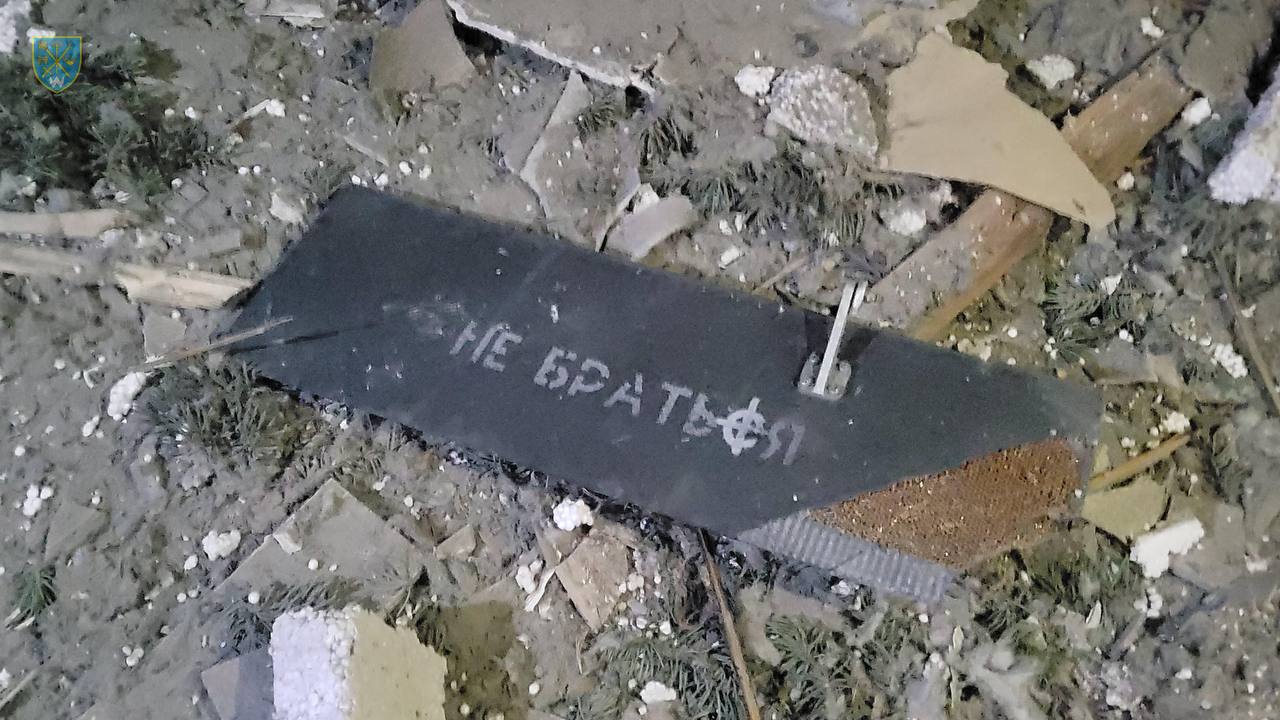
Kremenchuk is now at the centre of a structural shift involving Russia’s escalation of energy‑targeted strikes. The immediate implication is heightened pressure on Ukraine’s power grid and a potential widening of the conflict’s escalation ladder.
The Strategic Context
Kremenchuk, a mid‑size industrial hub on the Dnipro River, has repeatedly been targeted because its energy infrastructure supplies a significant share of central Ukraine’s electricity. Since the 2022 invasion, Russia has employed a pattern of “energy denial” to erode Ukraine’s war‑fighting capacity and to create domestic discontent. This tactic aligns with a broader Russian strategy of leveraging asymmetric means-missiles, drones, and cyber tools-to offset conventional force disparities. The recent attacks occur within a winter energy‑security window, when demand spikes and supply constraints amplify the strategic value of any disruption.
Core Analysis: Incentives & Constraints
Source Signals: The raw report confirms that overnight on 11 December Russia launched missiles and multiple drone waves at Kremenchuk, striking energy facilities and causing fires. The governor noted that many targets were intercepted, but debris and direct hits resulted in damage. No casualties were reported as of the early morning briefing. This follows a larger strike on 7 December that also damaged energy assets.
WTN Interpretation: Russia’s timing reflects a convergence of operational and strategic incentives. Operationally, the winter season raises the payoff of energy attacks, possibly forcing Ukraine to divert resources to emergency repairs and civilian protection. Strategically, repeated strikes signal to kyiv and its Western partners that Russia can sustain high‑intensity, low‑cost attacks despite sanctions and equipment losses, thereby preserving a credible escalation threat. russia’s leverage stems from its retained long‑range missile inventory and a growing drone fleet, while constraints include limited precision munitions, heightened Ukrainian air‑defense activity, and the risk of provoking deeper NATO involvement if attacks expand beyond Ukrainian territory. Ukraine’s constraints involve aging grid infrastructure, limited spare parts under sanctions, and the need to balance military and civilian power needs.
WTN Strategic Insight
“Energy‑targeted strikes have become Russia’s de‑facto escalation lever, converting seasonal demand spikes into geopolitical bargaining chips.”
Future Outlook: Scenario Paths & Key Indicators
Baseline Path: If Russia continues to focus on energy infrastructure while Ukraine’s air‑defense improves, the conflict may settle into a pattern of intermittent, high‑impact attacks that strain Ukraine’s civilian resilience but avoid a full‑scale conventional escalation.International support for grid hardening and rapid repair kits would become a priority, and diplomatic pressure on Russia would remain centered on humanitarian concerns.
Risk Path: if Ukraine’s defensive posture weakens or if Russia acquires higher‑precision strike capabilities,attacks could expand to critical transmission nodes beyond central Ukraine,potentially prompting a NATO‑level response or accelerating Western military aid.A prosperous large‑scale blackout could also trigger domestic unrest in Ukraine,altering its internal political calculus.
- Indicator 1: Volume of Russian missile and drone sorties reported in the next 90 days, especially over energy‑dense regions.
- indicator 2: Ukrainian grid restoration metrics (restoration time, outage frequency) and any announced procurement of foreign grid‑hardening equipment.
