
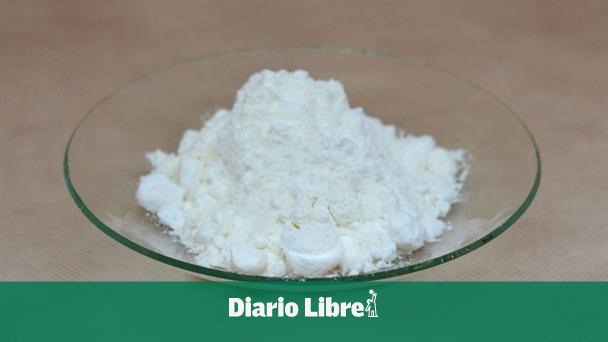
Boric Acid: From Fungal Infections to Industrial Uses – Experts Urge Caution
Santo Domingo,Dominican Republic - A common household chemical,boric acid,is gaining renewed attention as its diverse applications – ranging from specialized medical treatments to pest control and industrial manufacturing – highlight both its utility and potential risks. While effective in specific scenarios, health and environmental authorities are emphasizing the need for careful handling and adherence to safety guidelines.
Boric acid’s medical use is often a last resort. The most common request is treating persistent fungal infections in women that don’t respond to standard medications. However, treatment must be administered by specialists using a precise dosage via boric acid suppositories. The compound works by altering the habitat where the fungus lives,effectively weakening it.
Beyond medicine, scientists discovered boric acid’s effectiveness against household pests like cockroaches and ants. It disrupts their digestive system and dehydrates them, making it a key ingredient in commercially available baits and powders. Despite being less toxic than many strong pesticides,the Environmental Protection Agency (EPA) of the United States cautions that it should be kept away from children and pets.
The chemical’s versatility extends into unexpected industrial sectors.Engineers utilize boric acid to create stronger glass, ceramic that does not break with heat, and flame-retardant materials. Chemists explain that boric acid stabilizes the temperature and structure of these products. It’s also used to maintain the pH of water in swimming pools and industrial treatment systems.
This broad range of applications underscores the importance of responsible use. While boric acid offers valuable solutions across various fields, its potential for harm necessitates strict adherence to safety protocols and expert guidance.
