
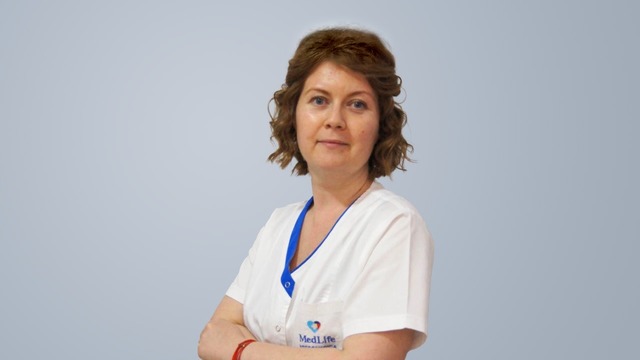
Genetic Testing Offers Proactive Approach to Osteoporosis and Reproductive Health, Says MedLife’s Dr. Andreea Siriteanu
Dr. Andreea Siriteanu of MedLife emphasizes the growing role of genetic testing in understanding and proactively managing osteoporosis and conditions like premature ovarian insufficiency (POI). In a recent discussion, Dr. Siriteanu highlighted how genetic insights can empower individuals to take preventative measures, even before a diagnosis is made.
Osteoporosis, ofen called a “silent disease,” can be assessed for genetic predisposition through increasingly available tests. “The results do not make the diagnosis,but they show the direction – if a person has an increased genetic risk,they can start monitoring earlier,adjust their diet,supplements and level of physical activity,” Dr. Siriteanu explained.
Research published in Frontiers in endocrinology (2024) supports this approach, demonstrating a meaningful correlation between variants in the Vitamin D Receptor (VDR) gene and bone mineral density.
Several types of genetic tests are currently available:
* Dedicated Bone Health Tests: Examples like “Osteoporosis DNA Test” and “bone Health Genetic Panel” analyze 10-50 genes related to bone density, providing a combined genetic risk score.
* Nutrigenetic Tests: While not directly assessing osteoporosis risk, these tests (offered by companies like MyDNA, 3×4 Genetics, DNAfit, and Nutrigenomix with their Bone Health module) provide facts on vitamin D and calcium absorption, estrogen metabolism, and the effectiveness of exercise on bone mass.
* Polygenic Risk Scores: These complex tests analyze hundreds of genetic markers to estimate overall osteoporosis likelihood,primarily used in research settings and advanced genetics centers.
Dr. Siriteanu stresses that genetic tests reveal predisposition, not a definitive diagnosis. ”Genetic tests do not diagnose osteoporosis, but show the predisposition, and the results must be interpreted together with the clinical assessment: DEXA test (bone densitometry), serum levels of vitamin D, calcium, hormones, lifestyle factors (smoking, diet, activity). A person with a high genetic risk won’t necessarily develop osteoporosis – but they know they need to actively prevent it through diet, supplements and exercise.” She recommends these tests for women with a family history of osteoporosis or fragility fractures, premenopausal or perimenopausal women seeking preventative measures, individuals with chronic vitamin D deficiencies or calcium absorption issues, and men or women diagnosed with early osteoporosis (under 50).
The article also highlighted Dr. Siriteanu’s work with premature ovarian insufficiency (POI), a complex endocrine condition appearing before age 40, distinct from early menopause. “It is indeed not a normal premature menopause, but a complex endocrine condition that requires correct diagnosis, hormonal treatment and emotional support.” Early diagnosis allows for hormone replacement therapy, fertility counseling, and bone monitoring, with the goal of protecting overall health – bone, heart, and metabolism.
Dr. Siriteanu shared a particularly impactful case: a 27-year-old woman diagnosed with the FMR1 mutation who, through genetic testing and early intervention, successfully preserved her fertility and became a mother. “Genetic testing is not a technical detail – it’s the moment that can completely change a patient’s course.”
(Article contributed by MedLife)
