
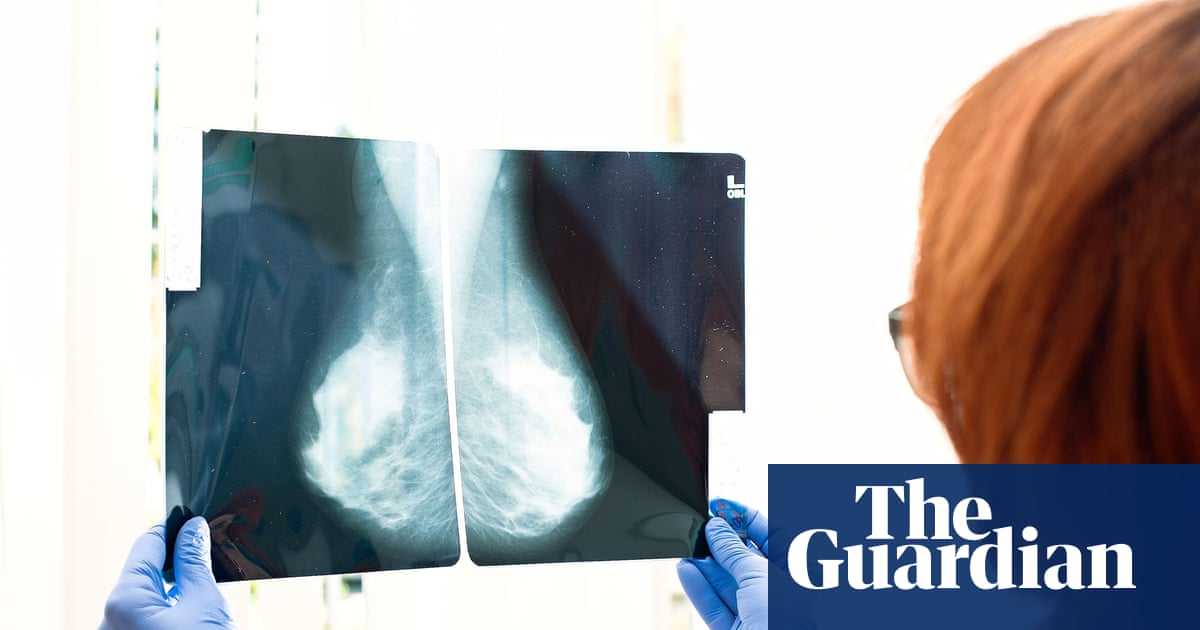
Study Highlights Mixed Reactions to Notifying Women of Breast Density After Mammograms
A recent study from the University of Sydney, published in the BMJ, investigated the psychological impact of informing women about breast density following routine mammogram screening. Researchers analyzed data from 2,401 Australian women screened for breast cancer between September 2023 and July 2024 who were identified as having dense breasts.
the women were randomly assigned to one of three groups: a control group receiving standard screening results,a group informed of their breast density with written information,and a third group receiving notification of their density alongside a link to an explanatory online video. Eight weeks later, participants completed surveys assessing their emotional response and intentions regarding follow-up care.
The analysis revealed that women who were told thay had dense breasts experienced higher levels of anxiety and confusion compared to the control group. However, both groups receiving density information demonstrated a significantly increased intention to discuss their results with their general practitioner (GP). Specifically, 22.8% of the written information group and 19.4% of the video group indicated they would seek GP advice, compared to 12.9% in the control group.
Currently, the NHS breast screening program in England does not assess or record breast density as part of routine mammograms. Experts note that dense breasts can make cancer detection more challenging on mammograms,but is not a factor individuals can personally alter or self-assess.
Sophie Brooks, health information manager at Cancer Research UK, emphasized the study’s mixed findings. While informing women about density prompted more GP consultations, it also increased anxiety and confusion, underscoring the need for complete information and support. Further research is needed to determine the overall impact of this practice, and the UK National Screening Committee is currently reviewing the issue.
The study concluded that women notified of their dense breasts did not feel better informed about making decisions regarding their breast health and expressed a desire for guidance from their GPs.
Melanie Sturtevant, associate director of policy at Breast Cancer Now, highlighted the importance of understanding the impact of sharing personal risk factors like breast density on mental wellbeing. she noted the findings suggest increased anxiety and confusion, alongside a greater likelihood of seeking further information from a doctor. Sturtevant also called for greater urgency and transparency from the UK National Screening Committee in its ongoing review of whether additional screening should be offered to women with dense breasts, while acknowledging the need for an evidence-based approach.
