
Obesity‘s Impact on Heart Health: A New Focus on Abdominal Fat
A recent study conducted in the Hamburg region of Germany investigated the relationship between obesity and heart structure in adults aged 46 to 78 with no prior cardiovascular disease diagnosis. The research, part of a larger long-term population study, revealed distinct impacts of different types of obesity on the heart.
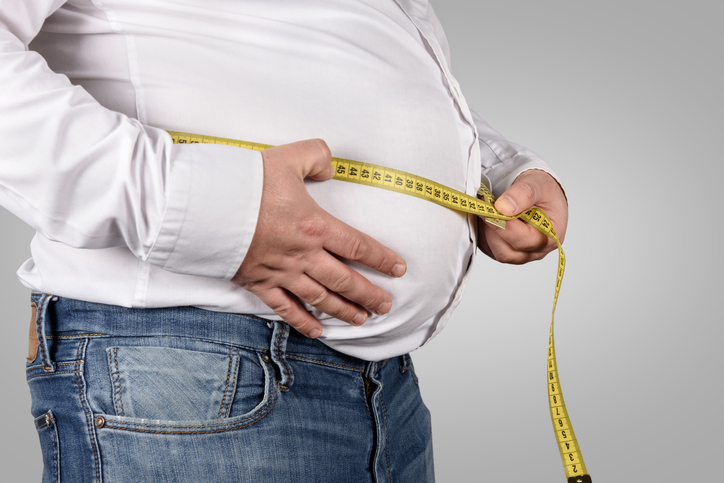
The study participants showed high rates of overweight and obesity: 69% of men and 56% of women were classified as overweight or obese based on Body Mass Index (BMI). Even higher rates were observed when considering abdominal obesity, with 91% of men and 64% of women exceeding the World Health Organization (WHO) waist-to-hip ratio (WHR) criteria for abdominal obesity. The WHO defines abdominal obesity as a WHR exceeding 0.90 for men and 0.85 for women. WHR is calculated by dividing waist circumference by hip circumference, easily measured at home with a tape measure.
Researchers found that while overall obesity (as measured by BMI) was more strongly linked to increased internal heart volume, abdominal obesity was associated with thicker heart muscle and smaller ventricular volume. these structural changes were particularly pronounced in men, especially affecting the right ventricle, responsible for pumping blood to the lungs. The study suggests that abdominal fat contributes to premature heart stress by impacting respiratory function and increasing pressure on the chest.
Importantly, the study identified subtle changes in heart tissue in male participants detectable only through high-resolution cardiac MRI. These changes suggest early cardiac stress, appearing before the onset of noticeable symptoms or diagnosed disease. This association persisted even after accounting for established cardiovascular risk factors like high blood pressure, smoking, diabetes, and cholesterol levels.
The researchers hypothesize that men might potentially be more susceptible due to earlier accumulation of abdominal fat and the potential protective effects of the female hormone estrogen. However, they emphasize the need for further research to fully understand these gender-specific differences.
Dr. Early highlighted a potential shift in clinical thinking, stating that radiologists frequently enough initially suspect conditions like cardiomyopathy or hypertensive heart disease when observing heart structural changes, but rarely consider obesity as a primary cause. He advocates for recognizing abdominal obesity as a significant risk signal in both radiology and cardiology departments.
The study’s findings emphasize the importance of preventing abdominal fat gain after middle age, possibly even more so than focusing solely on overall weight loss. Experts recommend a combination of regular exercise (including both aerobic and strength training), a balanced diet low in processed foods, sugars, and saturated fats, sufficient sleep, and appropriate medical intervention when necessary to manage abdominal obesity and reduce visceral fat.
