
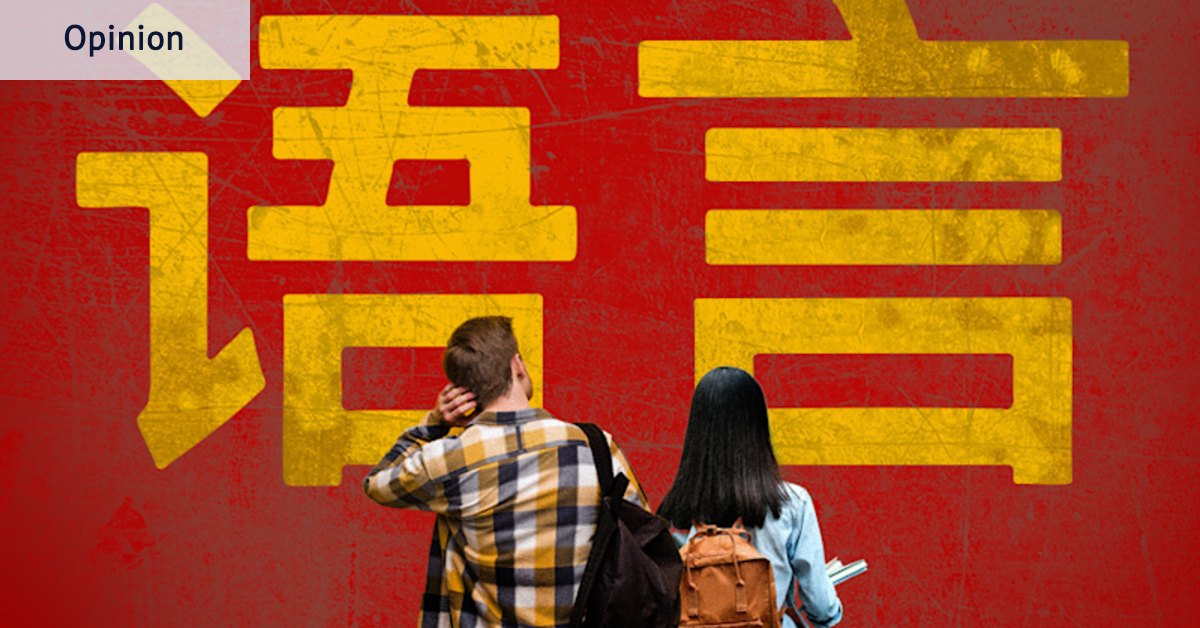
Australia’s Diminishing China Expertise: A Call for renewed Focus
Australia faces a concerning decline in its capacity to understand and engage with China, a trend highlighted by a current federal parliamentary inquiry. This erosion of “Asia capability” represents a significant shift from the vision outlined in the 2012 Asian Century White Paper, which advocated for an “Asia-literate and Asia-capable” Australia by 2025, including increased study of languages like Mandarin, Indonesian, Hindi, and japanese. That white paper’s goals were afterward abandoned by a change in government.
Data presented to the inquiry, though incomplete, paints a bleak picture. The Australian National University (ANU), a leading center for China studies, reports a 70% decrease in students enrolled in Asian studies degrees over the last six years, a decline likely mirrored across other institutions.
A key factor contributing to this trend is the changing composition of language course enrolments. Universities, increasingly reliant on revenue from international students due to tightening government funding, have seen a surge in overseas student participation in languages like Chinese. The University of Sydney, for example, has experienced a 480% increase in international student enrolments in Chinese and other Asian languages, while domestic enrolments have fallen by 15%. This has inadvertently created a perception that these courses are primarily for international students.
this decline in expertise has implications beyond academia. As a China-focused foreign correspondent based in Singapore, Lisa Visentin of The Sydney Morning Herald emphasizes the critical importance of firsthand understanding gained through in-country reporting and language proficiency. She notes that the lack of Australian experts willing to offer media commentary – often due to a reluctance to engage in a highly politicized national discourse – further exacerbates the problem.
The absence of informed analysis risks pushing public debate on crucial issues – including Taiwan, the South China sea, Pacific diplomacy, and international trade - to extremes. A robust understanding of China requires experts capable of analyzing Communist Party documents, navigating Chinese elite politics, and possessing a deep understanding of the country’s history, culture, and societal norms.
Visentin argues that ensuring a future pipeline of china expertise requires encouraging 17 and 18-year-olds to pursue Chinese studies with the confidence that their skills will be valued in future employment opportunities. The Sydney Morning Herald itself is demonstrating this commitment by re-establishing a permanent reporting presence in Beijing after a five-year absence.
