
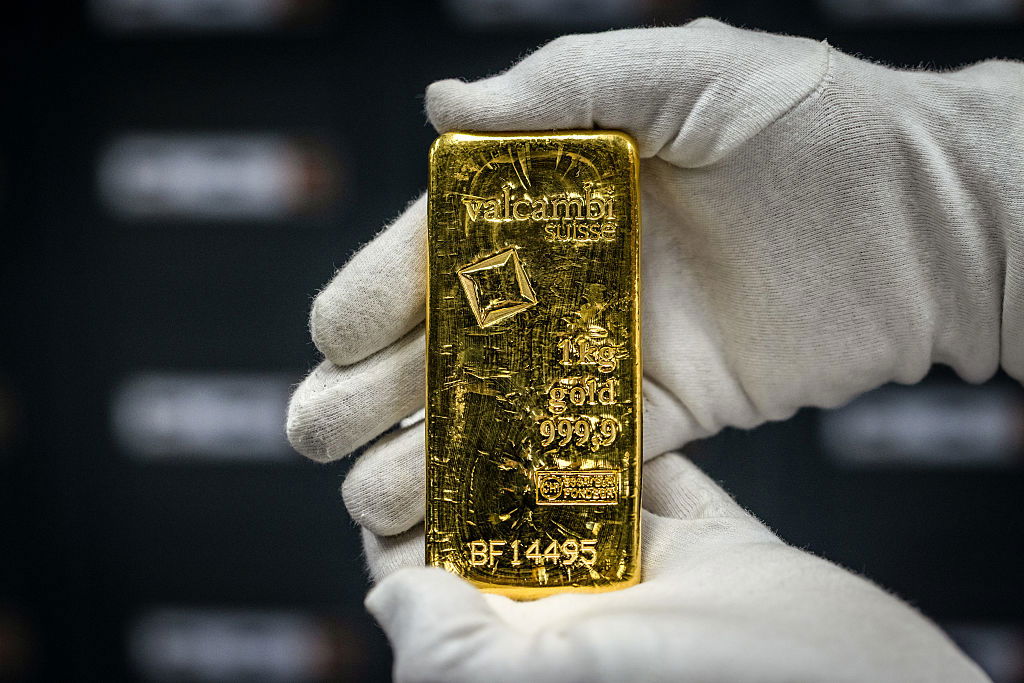
Russia turns to Gold Reserves to bolster Ruble, Address Budget Shortfalls
Moscow – The Russian central bank is actively selling its gold reserves to support the ruble and alleviate liquidity issues facing domestic companies, according to reports citing the Ukrainian Foreign Intelligence Service. This move comes as Russia grapples with growing budget deficits and dwindling financial resources.
The central bank intends to sell up to 230 tons of gold in 2024, valued at approximately $30 billion (roughly €25.8 billion), with an additional 115 tons planned for sale by 2026, worth around $15 billion (€12.9 billion).
This strategy is being implemented after a significant depletion of other funds, including the National Social Protection Fund. Experts note that while the sale of gold provides short-term fiscal relief and ruble stability, it diminishes Russia’s long-term financial versatility by reducing liquid reserves and increasing reliance on asset sales to fund public finances.
Some analysts suggest the decision is a pragmatic response to declining oil revenues and limited market liquidity following the withdrawal of foreign investors. The current high price of gold, fueled by global inflation and uncertainty, also presents a favorable chance for these sales. Due to Russia’s exclusion from global pricing mechanisms and export restrictions on gold, the impact on international gold prices is expected to be minimal.
