
Georgia accused of Using WWI-Era Chemical Agent Against Protesters
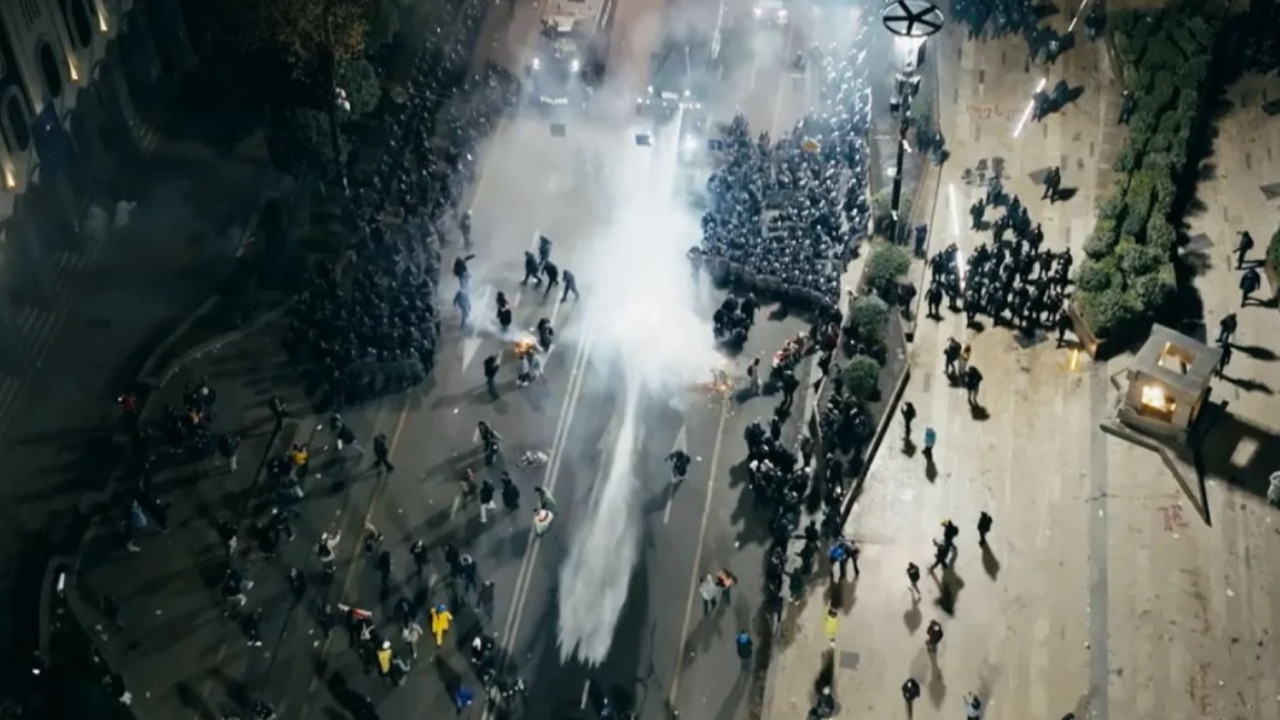
Tbilisi, Georgia – Evidence suggests Georgian security forces deployed a toxic chemical compound, camite – a substance banned since the 1930s – against anti-government protesters in Tbilisi last year, according too a BBC inquiry. The findings have sparked international concern and accusations of human rights violations.
The protests began on November 28, 2024, initially sparked by the government’s suspension of the EU membership process. Security forces responded to demonstrations with pressurized water, pepper gas, and CS gas. Though, numerous protesters reported experiencing prolonged and severe symptoms – including burning sensations, shortness of breath, coughing, and vomiting – that persisted for weeks after exposure to the pressurized water. These symptoms didn’t subside with simple washing,leading to further investigation.
Dr. Konstantine Chakhunashvili, a pediatrician who participated in the protests, experienced burning skin for days and initiated a social media survey to gather data on similar complaints. Approximately 350 people responded, with nearly half reporting side effects lasting over 30 days. Reported symptoms included headaches, fatigue, respiratory distress, and vomiting. Dr. Chakhunashvili also identified heart rhythm abnormalities in 69 participants.
The BBC’s investigation, involving interviews with chemical weapons experts, officials from Georgia’s Special Tasks agency, and medical professionals, points to the possible addition of camite to the pressurized water used during the crackdown. Camite, used by the French army during World War I, is known for its long-lasting and harmful effects, leading to its discontinuation in the 1930s.
“The symptoms and inventory records point to camite use,” stated Prof. Christopher Holstege, a world-renowned toxicology expert, emphasizing that deploying such a substance against civilians is “extremely dangerous.”
Alice Edwards, the United Nations Special rapporteur on Torture, condemned the potential use of chemical substances in the water cannons, stating, “This appears to be the use of an experimental weapon. Experiments cannot be carried out on people. This is a clear violation of human rights law.”
The Georgian Ministry of Internal Affairs has dismissed the BBC’s findings as ”unfounded and absurd claims.”
Despite the allegations, protests in Tbilisi continue almost nightly, though their frequency has decreased following the government’s implementation of increased penalties for participation.Demonstrators continue to voice accusations of election manipulation, pro-Russian policies, and increasing pressure on civil society.
The use of camite, if confirmed, would represent a serious escalation in the government’s response to dissent and a potential breach of international law. Further investigation is underway to determine the full extent of the chemical’s deployment and its long-term health consequences for those exposed.
