
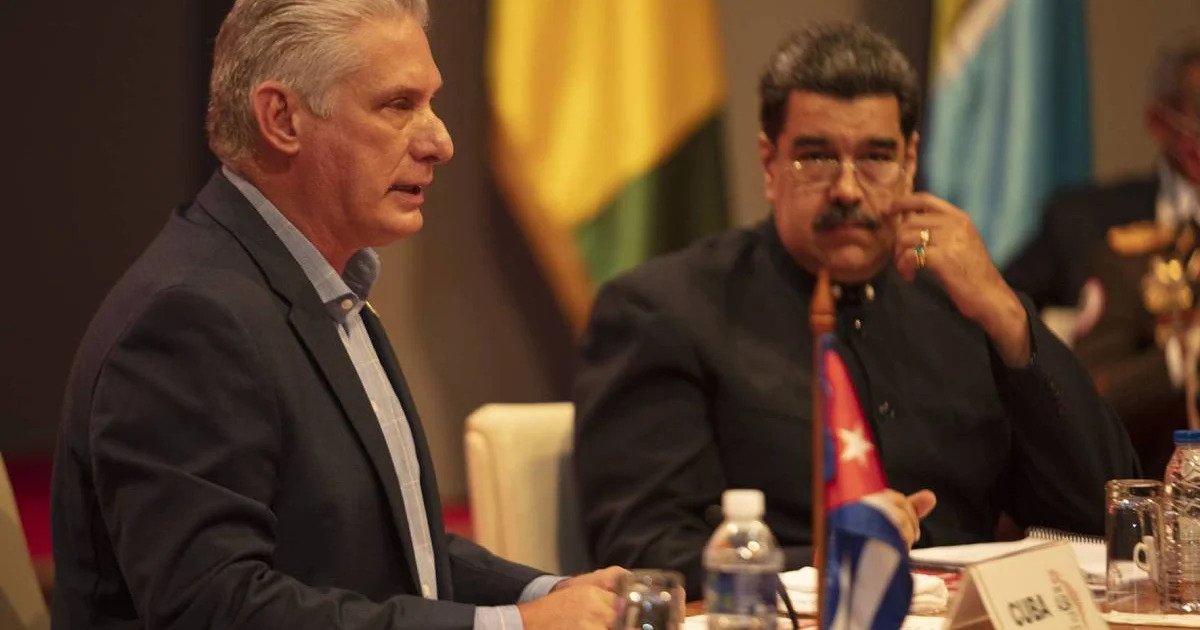
Growing discontent as Cuba Defends Maduro, Faces Backlash from Both Venezuelans and Cubans
A recent statement by Cuban Vice Minister of Foreign Affairs, Carlos Fernández de Cossío, warning of potential “military and terrorist aggression” against Venezuela and framing it as a US-backed coup attempt, has backfired spectacularly, igniting a wave of criticism from citizens in both Venezuela and Cuba.
Cossío’s post on X (formerly Twitter) echoed havana’s long-standing narrative of defending regional sovereignty against perceived imperialist interference.He characterized any attempt to overthrow the government of Nicolás Maduro as a “barbaric act” and a threat to Latin american independence. However, instead of rallying support, the statement triggered an outpouring of frustration and resentment directed at both the Cuban regime and its decades-long alliance with Chavismo.
venezuelan responses were particularly scathing. Many accused Havana of prioritizing its own survival over the well-being of the Venezuelan people, suggesting the concern wasn’t about defending a nation, but securing continued access to Venezuelan oil. “Do you live in Venezuela?” one woman challenged the Cuban official, “If not, you have no idea about the needs of ordinary Venezuelans.” Others were more blunt, labeling Cuban officials as “leeches” worried about the potential end of a system sustained by Venezuelan resources. A common sentiment was that Cuba had benefited from the andean nation’s crisis for 27 years, draining its wealth while its citizens suffered. one user succinctly put it: ”What you are crying about is that your gravy train could run out.”
The backlash wasn’t limited to Venezuela.Cuban citizens also joined the chorus of criticism,expressing growing fatigue with their government’s foreign policy and its economic dependence on Venezuelan support. Sarcastic comments like “Go pack your bags” and “Save your tears” were widespread. More pointedly, many Cubans expressed fear of losing the economic lifeline provided by Maduro’s regime, with some warning that neither Russia nor China would be able to compensate for the loss. One user even joked darkly about the lack of remedies for the fallout should Chavismo fall.
The incident highlights the waning effectiveness of Cuba’s traditional anti-imperialist rhetoric. While the government continues to frame external threats as justification for its alliances, the overwhelming response from both Venezuelan and Cuban citizens demonstrates a growing disconnect between official narratives and lived realities.
Cossío’s message aimed to reinforce the idea of a united Latin American front resisting external pressure. However, the reactions suggest a different truth: Havana’s primary concern isn’t regional peace, but the potential collapse of a crucial economic pillar supporting its own regime. This time, the familiar story of the “external enemy” failed to resonate, revealing a deep well of discontent on both sides of the relationship.
