
The Shifting landscape of European Auto: PHEVs, Tariffs, and China‘s Growing Influence
The future of the European automotive industry is at a critical juncture, caught between tightening emissions regulations, evolving consumer preferences, and the increasing competitiveness of Chinese manufacturers. A key element in this dynamic is the role of plug-in hybrid electric vehicles (PHEVs), currently experiencing a surge in popularity but facing an uncertain long-term outlook.
Currently,PHEVs offer a bridge for automakers and consumers navigating the transition to fully electric vehicles (EVs).they allow manufacturers to meet increasingly stringent EU regulations while appealing to customers hesitant to fully commit to electric mobility. However, analysts predict this reliance on PHEVs will diminish as battery prices continue to fall, making pure EVs more cost-competitive. The total cost of ownership for EVs is becoming increasingly attractive, possibly eroding the appeal of the more complex PHEV technology.
A pivotal decision looms on December 10th, when the European Commission is expected to unveil a comprehensive package for the automotive industry. this package will address the contentious 2035 target date for phasing out sales of new internal combustion engine passenger cars. Germany and segments of the auto industry are advocating for exemptions for technologies like PHEVs and vehicles utilizing e-fuels, while France and Spain are resisting any weakening of the 2035 deadline.
The market itself is divided. Some believe PHEVs, particularly those prioritizing electric range with gasoline as a supplemental power source, could represent a viable compromise for regulators. Others argue that the inherent complexity of PHEV systems will ultimately drive up manufacturing and maintenance costs, making them less competitive than comparable EVs in the medium term.
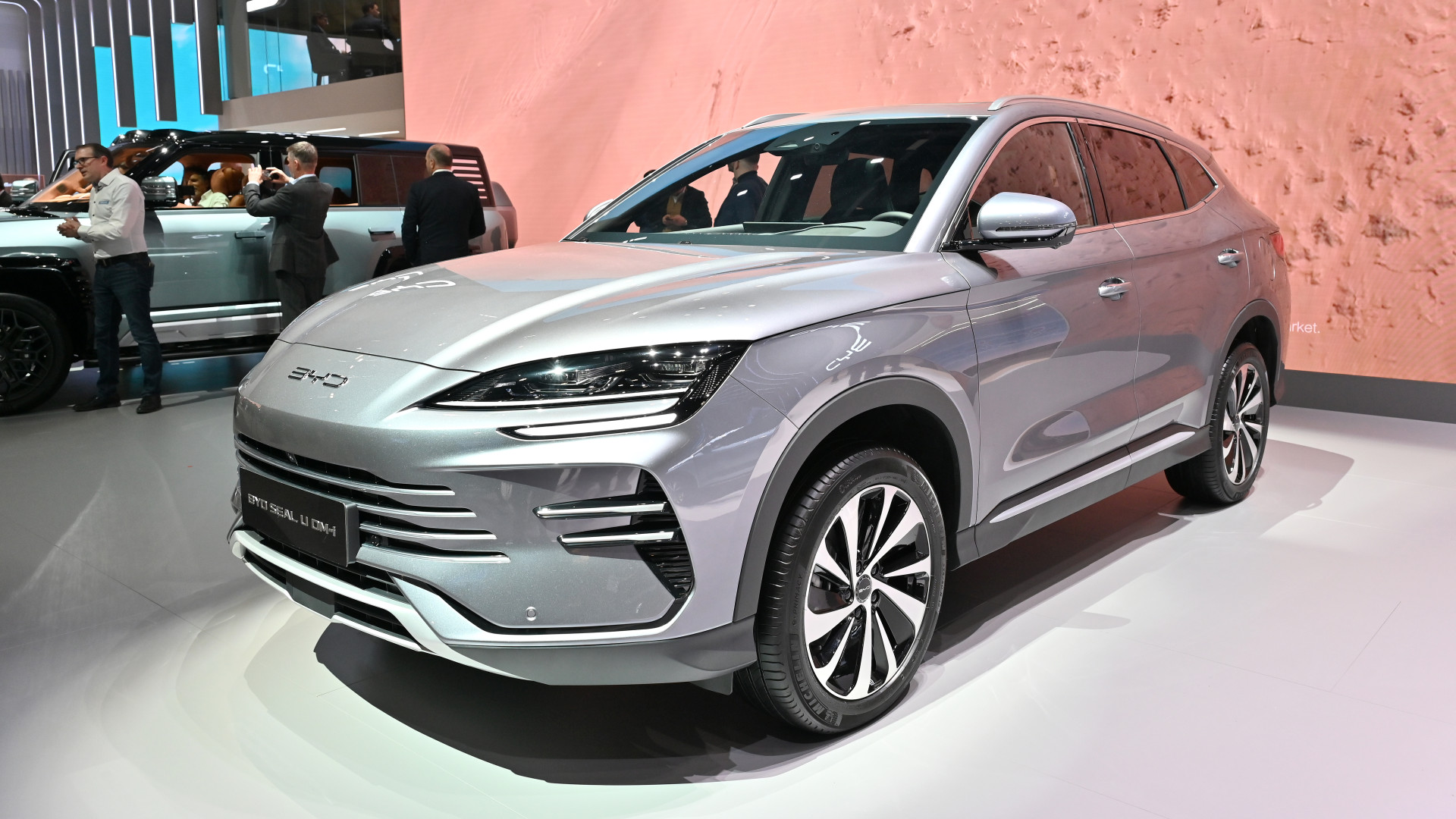
China’s role in this evolving landscape is particularly meaningful. Chinese brands,like BYD,are actively establishing production facilities within Europe,aiming to circumvent future tariffs expected around 2028. This move could shift their strategic focus towards pure EVs,positioning PHEVs as options for consumers still hesitant about a full electric transition. Evidence from China itself suggests a similar trend: while PHEV sales have grown rapidly, their proportion of overall electric car sales has already begun to decline in the frist half of 2025, as cheaper, longer-range evs gain market share.
The current PHEV boom is notably benefiting Chinese manufacturers, who are gaining ground against the backdrop of tariffs originally intended to protect European automakers. A decision to extend the viability of PHEVs beyond 2035 could offer short-term relief to European manufacturers, but it risks solidifying a market structure where Chinese companies maintain a technological and cost advantage. Conversely, maintaining a stricter course towards full electrification could see the current PHEV surge as a temporary phenomenon, potentially overshadowed by continued Chinese dominance in the European car market.
Ultimately, the interplay between regulatory decisions, technological advancements, and the strategic moves of Chinese automakers will determine the future trajectory of the European automotive industry.
